


Blogs Book An Apppointment लॅप्रोस्कोपिक शस्त्रक्रिया म्हणजे काय? लॅप्रोस्कोपिक शस्त्रक्रिया ही आधुनिक वैद्यकीय क्षेत्रातील एक प्रगत आणि कमी चिरा देऊन केली जाणारी शस्त्रक्रिया पद्धत आहे. पारंपरिक ओपन शस्त्रक्रियेच्या तुलनेत या पद्धतीमध्ये पोटावर मोठा चीरा देण्याऐवजी काही लहान छिद्रे करून विशेष उपकरणांच्या सहाय्याने शस्त्रक्रिया केली जाते. या प्रक्रियेत लॅप्रोस्कोप नावाचा एक बारीक कॅमेरा शरीरात प्रवेश केला जातो. या कॅमेऱ्यामुळे शरीरातील अवयवांची प्रतिमा मोठ्या स्क्रीनवर स्पष्टपणे दिसते, त्यामुळे शल्यचिकित्सक अधिक अचूकपणे शस्त्रक्रिया करू शकतात. आज लॅप्रोस्कोपिक शस्त्रक्रियेचा वापर युरोलॉजी, जनरल सर्जरी, स्त्रीरोग, गॅस्ट्रोएन्टेरोलॉजी आणि इतर अनेक वैद्यकीय शाखांमध्ये मोठ्या प्रमाणावर केला जातो. कमी वेदना, कमी रक्तस्त्राव, कमी संसर्गाचा धोका आणि जलद रिकव्हरी यांसारख्या फायद्यांमुळे ही शस्त्रक्रिया रुग्ण आणि डॉक्टर दोघांचीही पसंती बनली आहे. लॅप्रोस्कोपिक शस्त्रक्रिया म्हणजे शरीरावर मोठा चीरा न देता, साधारणतः ०.५ ते १ सेंटीमीटर आकाराच्या काही लहान चिरांमधून कॅमेरा आणि विशेष शस्त्रक्रिया उपकरणे शरीरात प्रवेश करून केली जाणारी शस्त्रक्रिया होय. या प्रक्रियेत पोटामध्ये कार्बन डायऑक्साइड वायू भरला जातो, ज्यामुळे शल्यचिकित्सकांना अवयव स्पष्टपणे दिसतात आणि सुरक्षितपणे शस्त्रक्रिया करता येते. ही पद्धत अनेक प्रकारच्या शस्त्रक्रियांसाठी प्रभावी मानली जाते. विशेषतः किडनी, मूत्राशय, प्रोस्टेट, मूत्रवाहिन्या तसेच पोटातील विविध अवयवांवरील शस्त्रक्रियांसाठी लॅप्रोस्कोपीचा मोठ्या प्रमाणावर वापर केला जातो. आधुनिक तंत्रज्ञानामुळे ही प्रक्रिया अधिक सुरक्षित, अचूक आणि परिणामकारक झाली आहे. लॅप्रोस्कोपिक शस्त्रक्रिया कधी केली जाते? जेव्हा एखाद्या आजारावर औषधोपचारांनी अपेक्षित परिणाम मिळत नाही किंवा शस्त्रक्रिया करणे आवश्यक ठरते, तेव्हा डॉक्टर रुग्णाच्या प्रकृतीनुसार लॅप्रोस्कोपिक शस्त्रक्रियेचा सल्ला देऊ शकतात. ही पद्धत विशेषतः अशा रुग्णांसाठी उपयुक्त असते ज्यांना कमी वेदना, कमी रुग्णालयात राहण्याचा कालावधी आणि लवकर दैनंदिन जीवनात परतण्याची अपेक्षा असते. युरोलॉजीमध्ये किडनीतील गाठी, किडनी काढण्याची आवश्यकता, मूत्रपिंडातील काही विकार, प्रोस्टेटवरील शस्त्रक्रिया किंवा मूत्रवाहिन्यांशी संबंधित समस्या असल्यास लॅप्रोस्कोपिक शस्त्रक्रिया केली जाऊ शकते. तसेच जनरल सर्जरीमध्ये पित्ताशयातील खडे, अपेंडिक्स, हर्निया आणि इतर अनेक आजारांवरही ही पद्धत प्रभावी ठरते. मात्र प्रत्येक रुग्णासाठी ही प्रक्रिया योग्य असेलच असे नाही. रुग्णाचे वय, आरोग्य, आजाराची तीव्रता आणि वैद्यकीय इतिहास लक्षात घेऊन डॉक्टर अंतिम निर्णय घेतात. लॅप्रोस्कोपिक शस्त्रक्रिया कशी केली जाते? लॅप्रोस्कोपिक शस्त्रक्रिया सामान्यतः जनरल अॅनेस्थेशियाखाली केली जाते, त्यामुळे शस्त्रक्रियेदरम्यान रुग्णाला कोणतीही वेदना जाणवत नाही. प्रथम पोटावर काही लहान चिरे दिले जातात. त्यानंतर कार्बन डायऑक्साइड वायू भरून पोटातील जागा थोडी फुगवली जाते, ज्यामुळे अंतर्गत अवयव स्पष्टपणे दिसू लागतात. यानंतर एका छिद्रातून लॅप्रोस्कोप म्हणजेच कॅमेरा शरीरात प्रवेश केला जातो आणि इतर छिद्रांमधून विशेष शस्त्रक्रिया उपकरणे वापरून आवश्यक प्रक्रिया केली जाते. कॅमेऱ्याद्वारे मिळणारी प्रतिमा मोठ्या स्क्रीनवर दिसत असल्यामुळे शल्यचिकित्सक अत्यंत अचूकपणे शस्त्रक्रिया करू शकतात. प्रक्रिया पूर्ण झाल्यानंतर उपकरणे बाहेर काढली जातात, वायू सोडला जातो आणि लहान चिरे टाके किंवा विशेष ड्रेसिंगने बंद केले जातात. लक्षणांकडे दुर्लक्ष करू नका, आजच उपचार सुरू करा. Book An Apppointment लॅप्रोस्कोपिक शस्त्रक्रियेचे प्रमुख प्रकार लॅप्रोस्कोपिक तंत्रज्ञानाचा वापर विविध प्रकारच्या शस्त्रक्रियांसाठी केला जातो. कोणती शस्त्रक्रिया करायची हे रुग्णाच्या आजारावर आणि संबंधित अवयवावर अवलंबून असते. युरोलॉजीमध्ये लॅप्रोस्कोपिक नेफ्रेक्टॉमी (किडनी काढणे), पायलोप्लास्टी, किडनी सिस्ट काढणे, अॅड्रिनल ग्रंथीवरील शस्त्रक्रिया आणि काही प्रकारच्या प्रोस्टेट शस्त्रक्रिया केल्या जातात. याशिवाय जनरल सर्जरीमध्ये लॅप्रोस्कोपिक गॉलब्लॅडर शस्त्रक्रिया, अपेंडिक्स काढणे, हर्निया रिपेअर आणि काही आतड्यांच्या शस्त्रक्रियाही याच पद्धतीने केल्या जातात. स्त्रीरोग विभागात गर्भाशय, अंडाशय किंवा एंडोमेट्रिओसिसशी संबंधित अनेक शस्त्रक्रिया लॅप्रोस्कोपीद्वारे केल्या जातात. लॅप्रोस्कोपिक शस्त्रक्रियेचे फायदे काय आहेत? लॅप्रोस्कोपिक शस्त्रक्रियेचे अनेक महत्त्वाचे फायदे असल्यामुळे आज जगभरात या पद्धतीला मोठे महत्त्व प्राप्त झाले आहे. या शस्त्रक्रियेत मोठा चीरा नसल्यामुळे वेदना तुलनेने कमी होतात आणि जखमही लवकर भरून येते. त्यामुळे रुग्णाला दैनंदिन कामकाज सुरू करण्यासाठी जास्त वेळ प्रतीक्षा करावी लागत नाही. याशिवाय या पद्धतीमध्ये रक्तस्त्राव कमी होतो, संसर्गाचा धोका कमी असतो आणि रुग्णालयात राहण्याचा कालावधीही कमी असतो. लहान चिरांमुळे शरीरावर मोठे व्रण राहत नाहीत, त्यामुळे सौंदर्याच्या दृष्टीनेही ही पद्धत फायदेशीर ठरते. आधुनिक कॅमेरा प्रणालीमुळे शल्यचिकित्सकांना अंतर्गत अवयव स्पष्ट दिसतात, त्यामुळे शस्त्रक्रियेची अचूकता वाढते आणि अनेक गुंतागुंत टाळता येते. याशिवाय लवकर चालणे, लवकर आहार सुरू करणे आणि कमी औषधांची गरज भासणे हे देखील या शस्त्रक्रियेचे महत्त्वाचे फायदे आहेत. योग्य तज्ज्ञ डॉक्टरांकडून आणि आधुनिक सुविधांनी सुसज्ज रुग्णालयात ही शस्त्रक्रिया केल्यास उत्कृष्ट परिणाम मिळू शकतात. लॅप्रोस्कोपिक शस्त्रक्रिया सुरक्षित आहे का? होय, अनुभवी शल्यचिकित्सकांकडून आणि अत्याधुनिक वैद्यकीय सुविधांनी सुसज्ज रुग्णालयात केली जाणारी लॅप्रोस्कोपिक शस्त्रक्रिया सामान्यतः सुरक्षित मानली जाते. आधुनिक कॅमेरा तंत्रज्ञान आणि विशेष शस्त्रक्रिया उपकरणांमुळे शरीरातील अवयव स्पष्टपणे दिसतात, त्यामुळे शस्त्रक्रिया अधिक अचूकपणे करता येते. यामुळे रक्तस्त्राव, संसर्ग आणि इतर गुंतागुंत होण्याची शक्यता तुलनेने कमी असते. तथापि, कोणत्याही शस्त्रक्रियेप्रमाणे लॅप्रोस्कोपिक शस्त्रक्रियेमध्येही काही प्रमाणात धोके असू शकतात. रुग्णाचे वय, मधुमेह, हृदयविकार, लठ्ठपणा, पूर्वी झालेल्या शस्त्रक्रिया किंवा इतर वैद्यकीय समस्या यांचा शस्त्रक्रियेच्या यशावर परिणाम होऊ शकतो. त्यामुळे शस्त्रक्रियेपूर्वी डॉक्टर आवश्यक तपासण्या करून रुग्णाची सविस्तर वैद्यकीय तपासणी करतात आणि त्यानंतरच योग्य उपचारपद्धती निश्चित करतात. लॅप्रोस्कोपिक शस्त्रक्रियेनंतर किती दिवसांत बरे वाटते? लॅप्रोस्कोपिक शस्त्रक्रियेनंतरची रिकव्हरी ओपन शस्त्रक्रियेपेक्षा सामान्यतः जलद असते. अनेक रुग्णांना शस्त्रक्रियेनंतर काही तासांत चालता येते आणि परिस्थितीनुसार एक ते तीन दिवसांत रुग्णालयातून घरी सोडले जाऊ शकते. लहान शस्त्रक्रियांमध्ये काही दिवसांतच दैनंदिन कामे सुरू करता येतात. पूर्णपणे बरे होण्यासाठी किती वेळ लागेल हे शस्त्रक्रियेचा प्रकार, रुग्णाचे वय, एकूण आरोग्य आणि शस्त्रक्रियेनंतर घेतलेली काळजी यावर अवलंबून असते. काही रुग्ण एका ते दोन आठवड्यांत नियमित जीवनशैलीकडे परततात, तर मोठ्या शस्त्रक्रियांसाठी चार ते सहा आठवड्यांचा कालावधी लागू शकतो. डॉक्टरांच्या सूचनांचे पालन केल्यास रिकव्हरी अधिक जलद आणि सुरक्षित होते. शस्त्रक्रियेनंतर कोणती काळजी घ्यावी? लॅप्रोस्कोपिक शस्त्रक्रियेनंतर योग्य काळजी घेणे अत्यंत महत्त्वाचे असते. डॉक्टरांनी सांगितलेली औषधे वेळेवर घेणे, जखमेची स्वच्छता राखणे आणि नियमित फॉलो-अप करणे आवश्यक आहे. जखमेच्या ठिकाणी लालसरपणा, सूज, पू, ताप किंवा तीव्र वेदना जाणवल्यास त्वरित डॉक्टरांचा सल्ला घ्यावा. शस्त्रक्रियेनंतर सुरुवातीला हलका आणि सहज पचणारा आहार घ्यावा. पुरेसे पाणी पिणे, बद्धकोष्ठता टाळणे आणि शरीराला आवश्यक पोषण मिळेल याची काळजी घ्यावी. डॉक्टरांच्या सल्ल्यानुसार हलके चालणे सुरू करावे, परंतु काही आठवडे जड वजन उचलणे किंवा अतिश्रमाची कामे टाळावीत. पुरेशी विश्रांती आणि संतुलित आहारामुळे जखम लवकर भरून येण्यास मदत होते. लॅप्रोस्कोपिक आणि ओपन शस्त्रक्रियेमध्ये काय फरक आहे? लॅप्रोस्कोपिक आणि ओपन शस्त्रक्रिया या दोन्ही प्रभावी उपचारपद्धती असल्या तरी त्यामध्ये काही महत्त्वाचे फरक आहेत. ओपन शस्त्रक्रियेमध्ये मोठा चीरा दिला जातो, तर लॅप्रोस्कोपिक शस्त्रक्रियेमध्ये काही लहान चिरांमधून कॅमेरा आणि विशेष उपकरणांच्या मदतीने शस्त्रक्रिया केली जाते. मोठा चीरा नसल्यामुळे लॅप्रोस्कोपिक शस्त्रक्रियेमध्ये वेदना, रक्तस्त्राव आणि संसर्गाचा धोका कमी असतो. तसेच रुग्णालयात कमी दिवस राहावे लागते आणि रिकव्हरी जलद होते. दुसरीकडे, काही गुंतागुंतीच्या किंवा गंभीर परिस्थितींमध्ये ओपन शस्त्रक्रिया अधिक योग्य ठरू शकते. त्यामुळे कोणती पद्धत वापरायची याचा निर्णय तज्ज्ञ डॉक्टर रुग्णाच्या स्थितीनुसार घेतात. कोणत्या आजारांवर लॅप्रोस्कोपिक शस्त्रक्रिया केली जाऊ शकते? आज अनेक आजारांवर लॅप्रोस्कोपिक शस्त्रक्रिया प्रभावीपणे केली जाते. युरोलॉजीमध्ये किडनीवरील गाठी, किडनी काढणे, मूत्रवाहिन्यांमधील काही अडथळे, अॅड्रिनल ग्रंथीचे विकार आणि निवडक प्रोस्टेट शस्त्रक्रिया यासाठी या तंत्राचा

What Size of Kidney Stone Requires Surgery?
Blogs Book An Apppointment What Size of Kidney Stone Requires Surgery? Kidney stones are a common urinary tract condition that can range from tiny crystals to large, painful stones. While many small stones pass naturally through urine, larger stones or those causing complications often require medical treatment. One of the most common concerns patients have is What Size of Kidney Stone Requires Surgery? The answer depends not only on the stone’s size but also on its location, symptoms, and whether it is blocking the urinary tract. Modern urology offers several minimally invasive procedures that remove kidney stones safely with faster recovery than traditional surgery. Knowing when surgical treatment is necessary can help patients seek timely care and avoid serious complications such as infections or kidney damage. Does Every Kidney Stone Need Surgery? The good news is that not every kidney stone requires surgery. Many small stones pass naturally with adequate hydration, pain-relieving medications, and medicines that relax the urinary tract. Doctors evaluate several factors before recommending surgery, including the size of the stone, its location, the severity of symptoms, whether urine flow is blocked, kidney function, and the presence of infection. A patient with a relatively small stone may still need surgery if it becomes stuck in the ureter and prevents urine from draining normally. What Size of Kidney Stone Usually Requires Surgery? When discussing What Size of Kidney Stone Requires Surgery?, the size generally provides a useful guideline. Stones Smaller Than 4 mm Most kidney stones measuring less than 4 millimeters pass naturally without surgical intervention. Drinking plenty of fluids and taking prescribed medications often help the stone pass within a few weeks. Stones Between 4 mm and 6 mm Stones in this range may pass naturally, but the chances decrease as the size increases. Some patients require medical procedures if the stone causes severe pain or fails to pass. Stones Larger Than 6 mm Kidney stones measuring more than 6 millimeters are less likely to pass on their own. Doctors often recommend minimally invasive procedures to remove or break these stones. Stones Larger Than 10 mm Large kidney stones measuring 10 millimeters or more usually require active treatment because they rarely pass naturally. Without treatment, these stones may block urine flow and increase the risk of kidney damage or infection. Consult the specialists at Urology Clinic Navi Mumbai for advanced kidney stone diagnosis and minimally invasive treatment tailored to your condition. Book An Apppointment Factors That Matter More Than Size Although stone size is important, it is not the only deciding factor. A smaller stone can sometimes cause more severe problems than a larger one if it blocks the urinary tract. Your urologist will also evaluate the location of the stone, persistent pain despite medication, repeated urinary tract infections, blood in the urine, reduced kidney function, and whether the stone has remained unchanged over several weeks. Treatment decisions are always individualized based on the patient’s overall condition rather than size alone. Symptoms That May Indicate Surgical Treatment Certain symptoms suggest that immediate medical evaluation is necessary. Severe pain that does not improve with medication, fever with chills, persistent vomiting, blood in the urine, inability to pass urine, or signs of kidney infection may indicate that the stone requires urgent intervention. Ignoring these symptoms can lead to complications that affect long-term kidney health. Surgical and Minimally Invasive Treatment Options Modern urology offers several effective procedures depending on the size and location of the kidney stone. Extracorporeal Shock Wave Lithotripsy (ESWL) ESWL uses shock waves to break kidney stones into tiny fragments that can pass naturally through urine. It is commonly recommended for selected small to medium-sized stones. Ureteroscopy with Laser Lithotripsy A thin endoscope is passed through the urinary tract to reach the stone. Laser energy breaks the stone into smaller pieces, which are removed or allowed to pass naturally. This procedure is widely used for ureteric and kidney stones. Percutaneous Nephrolithotomy (PCNL) PCNL is recommended for very large or complex kidney stones. A small incision is made in the back to remove the stone directly from the kidney using specialized instruments. Flexible Ureteroscopy (RIRS) Retrograde Intrarenal Surgery (RIRS) uses a flexible scope and laser technology to remove kidney stones without external cuts. It offers faster recovery and minimal discomfort for selected patients. What Happens If a Large Kidney Stone Is Left Untreated? Delaying treatment can allow the stone to continue blocking urine flow, increasing pressure inside the kidney. Over time, this may lead to repeated urinary tract infections, severe pain, swelling of the kidney (hydronephrosis), reduced kidney function, or permanent kidney damage. Timely treatment helps preserve kidney health while preventing emergency situations. Recovery After Kidney Stone Surgery Recovery depends on the type of procedure performed. Most minimally invasive treatments allow patients to return home within one or two days, while some are performed as day-care procedures. Patients may notice mild burning during urination, temporary blood in the urine, or slight discomfort for a few days. Drinking plenty of water, taking prescribed medications, and following postoperative instructions help ensure a smooth recovery. Most individuals return to normal daily activities within a week, although recovery after PCNL may take slightly longer. Can Kidney Stones Be Prevented After Surgery? Yes. Even after successful treatment, kidney stones can recur if preventive measures are not followed. Staying well hydrated, limiting salt intake, eating a balanced diet, maintaining a healthy weight, and following dietary recommendations based on the stone type significantly reduce recurrence. Patients with repeated kidney stones may also need metabolic evaluation and regular follow-up with their urologist. Prevention remains one of the most important parts of long-term kidney stone management. When Should You Visit a Urologist? You should consult a urologist if you have severe side or back pain, blood in the urine, repeated urinary infections, persistent nausea, difficulty passing urine, or symptoms that do not improve after initial treatment. Early diagnosis allows the stone to be treated before complications develop and helps determine whether surgery is necessary. Why Choose Urology

प्रोस्टेट कैंसर का इलाज क्या है?
Blogs Book An Apppointment प्रोस्टेट कैंसर का इलाज क्या है? प्रोस्टेट कैंसर पुरुषों में होने वाले सबसे सामान्य कैंसरों में से एक है। यह कैंसर प्रोस्टेट ग्रंथि में विकसित होता है, जो मूत्राशय के नीचे स्थित एक छोटी ग्रंथि होती है और वीर्य द्रव बनाने में महत्वपूर्ण भूमिका निभाती है। शुरुआती चरण में प्रोस्टेट कैंसर अक्सर कोई स्पष्ट लक्षण नहीं दिखाता, इसलिए कई मामलों में इसका पता नियमित स्वास्थ्य जांच के दौरान चलता है। हालांकि, समय पर पहचान और सही इलाज से इस बीमारी को प्रभावी ढंग से नियंत्रित किया जा सकता है और कई मरीज पूरी तरह स्वस्थ जीवन भी जी सकते हैं। प्रोस्टेट कैंसर वह स्थिति है जिसमें प्रोस्टेट ग्रंथि की कोशिकाएं अनियंत्रित रूप से बढ़ने लगती हैं और धीरे-धीरे कैंसर का रूप ले लेती हैं। शुरुआत में यह कैंसर केवल प्रोस्टेट तक सीमित रह सकता है, लेकिन समय पर इलाज न मिलने पर यह शरीर के अन्य हिस्सों, विशेष रूप से हड्डियों और लिम्फ नोड्स तक फैल सकता है। अधिकांश मामलों में यह कैंसर धीरे-धीरे बढ़ता है, इसलिए शुरुआती अवस्था में इसकी पहचान होने पर इलाज की सफलता की संभावना काफी अधिक होती है। कुछ मामलों में यह तेजी से भी बढ़ सकता है, इसलिए नियमित जांच और विशेषज्ञ की निगरानी महत्वपूर्ण होती है। प्रोस्टेट कैंसर के शुरुआती लक्षण क्या हैं? प्रोस्टेट कैंसर के शुरुआती चरण में कई मरीजों को कोई लक्षण महसूस नहीं होते। जैसे-जैसे बीमारी बढ़ती है, कुछ सामान्य संकेत दिखाई देने लगते हैं। इनमें बार-बार पेशाब आना, विशेषकर रात में कई बार उठकर पेशाब करना, पेशाब शुरू करने में कठिनाई, पेशाब का कमजोर प्रवाह, पेशाब या वीर्य में खून आना, पेशाब करते समय जलन या दर्द तथा मूत्राशय पूरी तरह खाली न होने का एहसास शामिल हो सकते हैं। यदि कैंसर शरीर के अन्य हिस्सों में फैल जाए तो कमर, कूल्हों या हड्डियों में लगातार दर्द, अचानक वजन कम होना, अत्यधिक थकान और कमजोरी जैसे लक्षण भी दिखाई दे सकते हैं। हालांकि ये लक्षण केवल प्रोस्टेट कैंसर के ही नहीं होते, इसलिए सही कारण जानने के लिए यूरोलॉजिस्ट से जांच कराना आवश्यक होता है। प्रोस्टेट कैंसर किन कारणों से होता है और किसे अधिक जोखिम होता है? प्रोस्टेट कैंसर का एकमात्र निश्चित कारण अभी तक स्पष्ट नहीं हो पाया है, लेकिन कई ऐसे जोखिम कारक हैं जो इसके होने की संभावना बढ़ा सकते हैं। बढ़ती उम्र इसका सबसे बड़ा जोखिम कारक मानी जाती है और 50 वर्ष से अधिक आयु के पुरुषों में इसका खतरा अधिक होता है। यदि परिवार में पिता, भाई या किसी करीबी रिश्तेदार को प्रोस्टेट कैंसर रहा हो, तो जोखिम सामान्य लोगों की तुलना में अधिक हो सकता है। इसके अलावा मोटापा, धूम्रपान, अत्यधिक शराब का सेवन, शारीरिक गतिविधि की कमी, अधिक वसा वाला आहार तथा कुछ आनुवंशिक परिवर्तन भी इसके खतरे को बढ़ा सकते हैं। जो पुरुष लंबे समय से अस्वस्थ जीवनशैली अपनाते हैं या जिनमें हार्मोन संबंधी असंतुलन होता है, उन्हें भी नियमित स्वास्थ्य जांच कराते रहना चाहिए ताकि बीमारी का समय पर पता लगाया जा सके। प्रोस्टेट कैंसर के लक्षणों को नज़रअंदाज़ न करें—समय पर विशेषज्ञ यूरोलॉजिस्ट से परामर्श लेकर सही इलाज शुरू करें। Book An Apppointment प्रोस्टेट कैंसर की स्टेज कैसे तय की जाती है? प्रोस्टेट कैंसर की स्टेज यह बताती है कि कैंसर केवल प्रोस्टेट ग्रंथि तक सीमित है या शरीर के अन्य हिस्सों में फैल चुका है। सही स्टेज जानने से डॉक्टर मरीज के लिए सबसे प्रभावी उपचार योजना तैयार कर सकते हैं। आमतौर पर प्रोस्टेट कैंसर को TNM स्टेजिंग सिस्टम और ग्लीसन स्कोर (Gleason Score) के आधार पर आंका जाता है। TNM प्रणाली में ट्यूमर का आकार (T), लिम्फ नोड्स में फैलाव (N) और शरीर के अन्य अंगों में कैंसर के फैलने (M) का मूल्यांकन किया जाता है। वहीं ग्लीसन स्कोर कैंसर कोशिकाओं की आक्रामकता को दर्शाता है। इसके अलावा PSA (Prostate-Specific Antigen) का स्तर भी उपचार की योजना बनाने में महत्वपूर्ण भूमिका निभाता है। स्टेज 1 और स्टेज 2 में कैंसर सामान्यतः केवल प्रोस्टेट तक सीमित होता है, जबकि स्टेज 3 में यह आसपास के ऊतकों तक फैल सकता है। स्टेज 4 सबसे उन्नत अवस्था होती है, जिसमें कैंसर हड्डियों, लिम्फ नोड्स या अन्य अंगों तक पहुंच सकता है। प्रोस्टेट कैंसर की जांच कैसे की जाती है? प्रोस्टेट कैंसर का निदान करने के लिए डॉक्टर मरीज के लक्षण, मेडिकल हिस्ट्री और विभिन्न जांचों का सहारा लेते हैं। सबसे पहले शारीरिक परीक्षण किया जाता है, जिसमें डिजिटल रेक्टल एग्जामिनेशन (DRE) के माध्यम से प्रोस्टेट की असामान्यताओं का आकलन किया जाता है। इसके बाद PSA (Prostate-Specific Antigen) रक्त जांच की जाती है। यदि PSA का स्तर सामान्य से अधिक हो या DRE में कोई असामान्यता मिले, तो आगे की जांच की सलाह दी जाती है। आवश्यकता पड़ने पर एमआरआई (MRI), सीटी स्कैन (CT Scan), बोन स्कैन, PET Scan और सबसे महत्वपूर्ण प्रोस्टेट बायोप्सी की जाती है। बायोप्सी में प्रोस्टेट से ऊतक का छोटा नमूना लेकर माइक्रोस्कोप से जांच की जाती है। यही जांच प्रोस्टेट कैंसर की पुष्टि करने का सबसे विश्वसनीय तरीका मानी जाती है। प्रोस्टेट कैंसर का इलाज कैसे किया जाता है? प्रोस्टेट कैंसर का इलाज मरीज की उम्र, कैंसर की स्टेज, ग्लीसन स्कोर, PSA स्तर, समग्र स्वास्थ्य और कैंसर के फैलाव को ध्यान में रखकर तय किया जाता है। प्रत्येक मरीज के लिए उपचार की योजना अलग हो सकती है। यदि कैंसर शुरुआती अवस्था में हो और धीरे-धीरे बढ़ रहा हो, तो डॉक्टर एक्टिव सर्विलांस (Active Surveillance) की सलाह दे सकते हैं। इसमें नियमित PSA टेस्ट, स्कैन और अन्य जांचों के माध्यम से कैंसर की निगरानी की जाती है। जब कैंसर केवल प्रोस्टेट तक सीमित हो, तब रैडिकल प्रोस्टेटेक्टॉमी (Radical Prostatectomy) यानी प्रोस्टेट ग्रंथि को सर्जरी द्वारा हटाना प्रभावी उपचार माना जाता है। आजकल कई मामलों में लेप्रोस्कोपिक या रोबोटिक सर्जरी का भी उपयोग किया जाता है, जिससे दर्द कम होता है और रिकवरी अपेक्षाकृत तेज हो सकती है। कुछ मरीजों में रेडिएशन थेरेपी भी प्रभावी विकल्प होती है। इसमें उच्च-ऊर्जा किरणों द्वारा कैंसर कोशिकाओं को नष्ट किया जाता है। कई बार इसे सर्जरी के विकल्प के रूप में या सर्जरी के बाद भी दिया जाता है। यदि कैंसर शरीर के अन्य हिस्सों तक फैल चुका हो, तो हार्मोन थेरेपी (Androgen
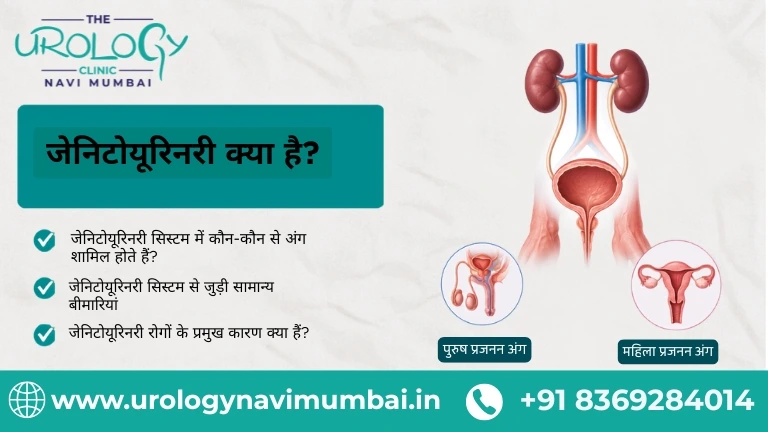
जेनिटोयूरिनरी क्या है?
Blogs Book An Apppointment जेनिटोयूरिनरी क्या है? जेनिटोयूरिनरी (Genitourinary) शब्द दो अलग-अलग शारीरिक प्रणालियों जनन तंत्र (Genital System) और मूत्र तंत्र (Urinary System) को मिलाकर बनाया गया है। ये दोनों प्रणालियां शरीर के महत्वपूर्ण कार्यों जैसे मूत्र निर्माण और निष्कासन, प्रजनन क्षमता तथा हार्मोनल संतुलन को बनाए रखने में महत्वपूर्ण भूमिका निभाती हैं। जब इन अंगों में किसी प्रकार का संक्रमण, सूजन, पथरी, जन्मजात विकार या अन्य समस्या उत्पन्न होती है, तो इसे जेनिटोयूरिनरी रोग कहा जाता है।/ जेनिटोयूरिनरी सिस्टम क्या होता है? जेनिटोयूरिनरी सिस्टम शरीर का वह तंत्र है जिसमें मूत्र तंत्र (Urinary System) और जनन तंत्र (Reproductive System) शामिल होते हैं। यह शरीर से अपशिष्ट पदार्थों को मूत्र के रूप में बाहर निकालने, शरीर में पानी और इलेक्ट्रोलाइट्स का संतुलन बनाए रखने तथा प्रजनन संबंधी कार्यों को नियंत्रित करने का काम करता है। पुरुषों में मूत्र और प्रजनन तंत्र आपस में काफी हद तक जुड़े होते हैं, जबकि महिलाओं में दोनों तंत्र अलग-अलग होते हैं, लेकिन कार्यात्मक रूप से एक-दूसरे से संबंधित रहते हैं। इस पूरे सिस्टम का स्वस्थ रहना अच्छे शारीरिक स्वास्थ्य के लिए आवश्यक है। जेनिटोयूरिनरी सिस्टम में कौन-कौन से अंग शामिल होते हैं? जेनिटोयूरिनरी सिस्टम में कई महत्वपूर्ण अंग शामिल होते हैं, जो मिलकर शरीर के सामान्य कार्यों को सुचारु रूप से संचालित करते हैं। मूत्र तंत्र के प्रमुख अंग: किडनी (गुर्दे) यूरेटर (मूत्रवाहिनी) मूत्राशय (ब्लैडर) यूरेथ्रा (मूत्रमार्ग) पुरुष जनन तंत्र के प्रमुख अंग: प्रोस्टेट ग्रंथि वृषण (टेस्टिस) एपिडिडिमिस लिंग (पेनिस) वीर्य वाहिकाएं महिला जनन तंत्र के प्रमुख अंग: अंडाशय (ओवरी) फैलोपियन ट्यूब गर्भाशय गर्भाशय ग्रीवा (सर्विक्स) योनि इन सभी अंगों में किसी भी प्रकार की समस्या होने पर व्यक्ति को मूत्र संबंधी या प्रजनन संबंधी परेशानियों का सामना करना पड़ सकता है। जेनिटोयूरिनरी समस्याओं के लिए आज ही विशेषज्ञ यूरोलॉजिस्ट से परामर्श लें। Book An Apppointment जेनिटोयूरिनरी सिस्टम से जुड़ी सामान्य बीमारियां जेनिटोयूरिनरी सिस्टम से कई प्रकार की बीमारियां जुड़ी हो सकती हैं। इनमें से कुछ सामान्य हैं, जबकि कुछ गंभीर भी हो सकती हैं। यूरिनरी ट्रैक्ट इन्फेक्शन (UTI): यह मूत्र मार्ग में होने वाला संक्रमण है, जिसमें पेशाब के दौरान जलन, बार-बार पेशाब आना और दर्द महसूस हो सकता है। किडनी स्टोन (गुर्दे की पथरी): किडनी में खनिजों के जमाव से पथरी बन जाती है, जिससे तेज दर्द और पेशाब में खून आने जैसी समस्या हो सकती है। प्रोस्टेट संबंधी रोग: पुरुषों में बढ़ती उम्र के साथ प्रोस्टेट का बढ़ना, संक्रमण या प्रोस्टेट कैंसर जैसी समस्याएं हो सकती हैं। मूत्र असंयम (Urinary Incontinence): इसमें व्यक्ति पेशाब को नियंत्रित नहीं कर पाता। किडनी संक्रमण: बैक्टीरिया के कारण किडनी में संक्रमण हो सकता है, जिससे तेज बुखार, कमर दर्द और कमजोरी महसूस हो सकती है। यौन संचारित संक्रमण (STIs): असुरक्षित यौन संबंधों के कारण होने वाले संक्रमण भी जेनिटोयूरिनरी सिस्टम को प्रभावित कर सकते हैं। ब्लैडर या किडनी कैंसर: लंबे समय तक लक्षणों की अनदेखी करने पर कुछ मामलों में कैंसर जैसी गंभीर बीमारी का भी खतरा हो सकता है। किन लक्षणों को नजरअंदाज नहीं करना चाहिए? जेनिटोयूरिनरी रोगों के लक्षण शुरुआत में सामान्य दिखाई दे सकते हैं, लेकिन समय पर इलाज न मिलने पर ये गंभीर रूप ले सकते हैं। निम्नलिखित लक्षणों को कभी भी नजरअंदाज नहीं करना चाहिए— पेशाब करते समय दर्द या जलन होना। बार-बार पेशाब आने की समस्या। पेशाब में खून दिखाई देना। पेशाब रुक-रुककर आना। कमर या पेट के निचले हिस्से में लगातार दर्द। तेज बुखार के साथ पेशाब संबंधी समस्या। मूत्र पर नियंत्रण न रहना। पुरुषों में अंडकोष में दर्द या सूजन। महिलाओं में बार-बार होने वाला यूरिन संक्रमण। यौन संबंध के दौरान दर्द या असुविधा। इनमें से कोई भी लक्षण दिखाई देने पर जल्द से जल्द विशेषज्ञ डॉक्टर से जांच करानी चाहिए। जेनिटोयूरिनरी रोगों के प्रमुख कारण क्या हैं? जेनिटोयूरिनरी समस्याओं के पीछे कई अलग-अलग कारण हो सकते हैं। कुछ समस्याएं जीवनशैली से जुड़ी होती हैं, जबकि कुछ संक्रमण, आनुवंशिक कारणों या अन्य बीमारियों के कारण विकसित होती हैं। मुख्य कारणों में शामिल हैं— बैक्टीरिया, वायरस या फंगल संक्रमण। पर्याप्त मात्रा में पानी न पीना। लंबे समय तक पेशाब रोककर रखना। मधुमेह (डायबिटीज़)। उच्च रक्तचाप। मोटापा। अस्वास्थ्यकर खानपान। धूम्रपान और शराब का सेवन। असुरक्षित यौन संबंध। बढ़ती उम्र। पारिवारिक या आनुवंशिक कारण। व्यक्तिगत स्वच्छता का अभाव। किडनी या मूत्र मार्ग में जन्मजात विकार। इन जोखिम कारकों को नियंत्रित करके कई जेनिटोयूरिनरी समस्याओं के खतरे को काफी हद तक कम किया जा सकता है। जेनिटोयूरिनरी समस्याओं का निदान कैसे किया जाता है? जेनिटोयूरिनरी रोगों का सही उपचार तभी संभव है जब उनका समय पर और सटीक निदान किया जाए। मरीज के लक्षण, मेडिकल हिस्ट्री और शारीरिक जांच के आधार पर डॉक्टर आवश्यक परीक्षणों की सलाह देते हैं। निदान के लिए निम्नलिखित जांचें की जा सकती हैं— यूरिन टेस्ट: संक्रमण, खून, प्रोटीन या अन्य असामान्यताओं का पता लगाने के लिए। ब्लड टेस्ट: किडनी की कार्यक्षमता, संक्रमण और अन्य स्वास्थ्य समस्याओं का मूल्यांकन करने के लिए। अल्ट्रासाउंड: किडनी, मूत्राशय और अन्य अंगों की संरचना देखने के लिए। सीटी स्कैन या एमआरआई: पथरी, ट्यूमर या अन्य जटिल समस्याओं का विस्तृत मूल्यांकन करने के लिए। सिस्टोस्कोपी (Cystoscopy): एक पतली कैमरा युक्त ट्यूब के माध्यम से मूत्रमार्ग और मूत्राशय की अंदरूनी जांच की जाती है। यूरोडायनामिक टेस्ट: मूत्राशय की कार्यक्षमता और पेशाब संबंधी समस्याओं का आकलन करने के लिए। बायोप्सी: यदि कैंसर की आशंका हो, तो ऊतक का छोटा नमूना लेकर जांच की जाती है। समस्या की गंभीरता के अनुसार डॉक्टर एक या एक से अधिक जांच कराने की सलाह दे सकते हैं। जेनिटोयूरिनरी रोगों का उपचार कैसे किया जाता है? जेनिटोयूरिनरी रोगों का उपचार बीमारी के प्रकार, कारण, गंभीरता और मरीज की उम्र व स्वास्थ्य स्थिति पर निर्भर करता है। अधिकांश मामलों में समय पर इलाज से अच्छे परिणाम प्राप्त होते हैं। उपचार के प्रमुख विकल्पों में शामिल हैं— दवाइयों द्वारा उपचार: बैक्टीरियल संक्रमण में एंटीबायोटिक्स, दर्द और सूजन कम करने वाली दवाइयां तथा अन्य आवश्यक दवाएं दी जाती हैं। जीवनशैली में बदलाव: पर्याप्त पानी पीना, संतुलित आहार लेना, नियमित व्यायाम करना और स्वच्छता बनाए रखना उपचार का महत्वपूर्ण हिस्सा है। किडनी स्टोन का उपचार: छोटी पथरी दवाइयों और अधिक पानी पीने से निकल सकती है, जबकि बड़ी पथरी के लिए लेजर उपचार या अन्य आधुनिक प्रक्रियाओं की आवश्यकता पड़ सकती है।

Foods That Increase the Risk of Kidney Stones
Blogs Book An Apppointment Foods That Increase the Risk of Kidney Stones Kidney stones are a common urinary tract condition that can cause severe pain and discomfort. While genetics and certain medical conditions play a role in stone formation, diet is one of the most important factors you can control. Choosing the right foods and avoiding those that contribute to stone formation can significantly lower your risk of developing kidney stones or prevent them from returning. This Foods That Increase the Risk of Kidney Stones | Kidney Stone Prevention Guide highlights the dietary habits that may increase the risk of kidney stones and offers practical tips to help keep your kidneys healthy. Small changes in everyday eating habits can make a big difference in protecting your urinary health. How Diet Affects Kidney Stone Formation Your kidneys filter waste products and excess minerals from the blood to produce urine. When urine becomes highly concentrated, certain minerals such as calcium, oxalate, and uric acid can combine and form crystals. Over time, these crystals grow into kidney stones. Diet directly affects the concentration of these minerals. Eating excessive amounts of salt, sugar, animal protein, or oxalate-rich foods can increase the likelihood of stone formation, especially if you do not drink enough water throughout the day. Foods That May Increase the Risk of Kidney Stones Although no single food causes kidney stones in everyone, certain foods can contribute to stone formation when consumed frequently or in large quantities. Kidney Stones One of the most common uses of laser treatment is breaking kidney stones into tiny fragments during ureteroscopy. The small pieces are then removed or passed naturally through urine, eliminating the need for large surgical incisions. High-Sodium Foods A diet high in sodium increases the amount of calcium released into the urine, raising the risk of calcium-based kidney stones. Common high-sodium foods include processed snacks, chips, instant noodles, packaged soups, pickles, fast food, frozen meals, processed meats, and salty condiments. Reducing daily salt intake is one of the most effective dietary changes for kidney stone prevention. Oxalate-Rich Foods Oxalate is a naturally occurring substance found in many healthy foods. In some individuals, oxalate combines with calcium in the urine to form calcium oxalate stones, which are the most common type of kidney stone. Foods high in oxalate include spinach, beetroot, rhubarb, almonds, peanuts, chocolate, sweet potatoes, tea, and bran cereals. These foods do not always need to be completely avoided, but portion control is important for people prone to calcium oxalate stones. Excess Animal Protein Eating large amounts of red meat, poultry, seafood, and organ meats may increase uric acid levels while reducing urinary citrate, a natural substance that helps prevent stones. Moderating animal protein intake and including plant-based protein sources can support better kidney health. Excess Vitamin C Supplements Although vitamin C is essential for good health, taking high-dose vitamin C supplements may increase oxalate production in the body. People with a history of kidney stones should consult their doctor before using large doses of supplements. Protect your kidneys with timely evaluation and personalized kidney stone care at Urology Clinic Navi Mumbai. Book An Apppointment Foods That Support Kidney Stone Prevention A healthy diet is not only about avoiding certain foods but also about including foods that help reduce stone formation. Fresh fruits, vegetables, whole grains, citrus fruits, adequate dietary calcium from milk and yogurt, and plenty of water help maintain healthy urine composition. Citrus fruits such as lemons and oranges contain citrate, which naturally helps reduce crystal formation. Balanced nutrition plays an important role in protecting kidney function while lowering the chances of future stones. Importance of Drinking Enough Water Hydration is one of the most effective ways to prevent kidney stones. Drinking enough water dilutes urine and reduces the concentration of stone-forming minerals. Most adults should aim for enough fluids to produce clear or pale yellow urine throughout the day. People living in hot climates or those who sweat heavily may require even more fluids. Water remains the best choice, although coconut water and certain citrus-based drinks may also contribute to healthy hydration. Healthy Lifestyle Habits That Help Prevent Kidney Stones Diet is only one part of kidney stone prevention. Several healthy habits can further reduce the risk. Maintaining a healthy body weight, exercising regularly, limiting processed foods, avoiding excessive salt, eating balanced meals, and following medical advice for existing conditions such as diabetes or gout all contribute to better kidney health. Individuals who have already experienced kidney stones should continue regular follow-up appointments because recurrence is common without preventive measures. Should You Avoid Calcium? Many people mistakenly believe that reducing calcium intake prevents kidney stones. In reality, consuming too little dietary calcium may actually increase the risk of calcium oxalate stones because more oxalate is absorbed from the intestines. Instead of eliminating calcium-rich foods, it is generally recommended to consume appropriate dietary calcium through natural food sources unless advised otherwise by a doctor. Calcium supplements should only be taken under medical supervision, particularly in patients with recurrent kidney stones. Personalized Diet for Different Types of Kidney Stones Not all kidney stones develop for the same reason. Calcium oxalate, uric acid, struvite, and cystine stones each have different contributing factors. Because dietary recommendations vary depending on the type of stone, laboratory analysis of the stone and urine tests can help create a personalized nutrition plan. A urologist or dietitian can recommend dietary changes based on individual risk factors instead of following a one-size-fits-all approach. When Should You Consult a Urologist? If you experience severe back or side pain, blood in the urine, burning during urination, repeated urinary tract infections, nausea, vomiting, or difficulty passing urine, medical evaluation is important. Patients with recurrent kidney stones should also seek specialist care to identify the underlying cause and receive long-term prevention strategies that reduce the chances of future stone formation. Why Choose Urology Clinic Navi Mumbai? At Urology Clinic Navi Mumbai, patients receive comprehensive kidney stone care, from accurate diagnosis to advanced minimally

Urology Laser Treatment
Blogs Book An Apppointment Urology Laser Treatment: Benefits, Procedure & Recovery Advancements in medical technology have transformed the way many urological conditions are treated. One of the most significant developments is urology laser treatment, a minimally invasive technique that offers greater precision, reduced discomfort, and faster recovery compared to many traditional surgical procedures. Today, laser technology is widely used to manage kidney stones, enlarged prostate, urinary tract blockages, and several other urological conditions with excellent outcomes. Unlike conventional surgery, laser procedures are often performed through natural urinary passages without large incisions. This results in less bleeding, shorter hospital stays, and a quicker return to daily activities. For many patients, laser treatment has become the preferred option because it combines safety with effective results. What Is Urology Laser Treatment? Urology laser treatment refers to the use of highly focused laser energy to diagnose or treat disorders affecting the kidneys, ureters, bladder, prostate, and urethra. The laser delivers controlled energy that can break stones, remove excess tissue, or treat urinary blockages while minimizing damage to surrounding healthy tissue. Modern urology commonly uses advanced laser systems such as the Holmium laser and Thulium laser because they provide high precision and are suitable for a wide range of procedures. Conditions Treated with Urology Laser Treatment Laser technology has become an important part of modern urological care because it can effectively treat multiple conditions with minimally invasive techniques. Kidney Stones One of the most common uses of laser treatment is breaking kidney stones into tiny fragments during ureteroscopy. The small pieces are then removed or passed naturally through urine, eliminating the need for large surgical incisions. Enlarged Prostate (BPH) Men with benign prostatic hyperplasia (BPH) often experience difficulty passing urine, frequent urination, and weak urine flow. Laser procedures remove excess prostate tissue, improving urinary function while reducing bleeding compared to conventional surgery. Ureteric Stones When stones become lodged in the ureter, laser technology can safely fragment them without damaging the urinary tract, allowing normal urine flow to resume. Bladder Stones Laser energy can also break bladder stones into smaller pieces that are easily removed during the procedure. Urethral Stricture Laser treatment may be used in selected patients to remove scar tissue that narrows the urethra and affects urine flow. How Does the Procedure Work? Most laser procedures in urology are performed using a thin instrument called an endoscope. This instrument is passed through the natural urinary passage, allowing the surgeon to reach the affected area without making external cuts. Once the target is identified, laser energy is precisely directed to break stones or remove abnormal tissue. The procedure is performed under spinal or general anesthesia depending on the condition being treated. Most patients can return home within a day or two, while some procedures are even performed as day-care surgeries. Benefits of Urology Laser Treatment Laser technology has become increasingly popular because it offers several advantages over conventional surgery. Minimally Invasive Procedure Most treatments are performed without large incisions, reducing surgical trauma. Less Bleeding Laser energy seals blood vessels while treating tissue, leading to significantly less blood loss. Faster Recovery Patients usually recover more quickly and resume normal activities sooner than with open surgery. Reduced Pain Minimal tissue damage often results in lower postoperative discomfort. Shorter Hospital Stay Many laser procedures require only a short hospital stay, helping patients return home earlier. High Precision The laser targets only the affected area while preserving surrounding healthy tissues. Who Is a Suitable Candidate? Laser treatment is suitable for many patients with kidney stones, enlarged prostate, bladder stones, or urinary tract blockages. However, the best treatment depends on several factors, including the size and location of the stone, prostate enlargement, overall health, previous surgeries, and medical history. A detailed clinical evaluation, urine tests, blood investigations, and imaging studies help the urologist decide whether laser treatment is the most appropriate option. What to Expect Before the Procedure Before undergoing laser treatment, your doctor may recommend blood tests, urine analysis, ECG, and imaging such as ultrasound or CT scan. Certain medications, especially blood thinners, may need temporary adjustment after medical advice. Patients are usually instructed not to eat or drink for several hours before the procedure if anesthesia is planned. Following all preoperative instructions helps ensure a smooth and safe treatment. Recovery After Urology Laser Treatment Recovery is generally quick, although the exact duration depends on the type of procedure performed. Some patients may notice mild burning during urination, slightly blood-tinged urine, or increased urinary frequency for a few days. These symptoms usually improve with hydration and prescribed medications. Doctors often recommend drinking plenty of fluids, avoiding heavy lifting for a short period, and taking medications exactly as prescribed. Most patients return to routine work within a few days to a week, depending on their recovery. Are There Any Risks? Like any medical procedure, laser treatment carries some risks, although serious complications are uncommon. Possible temporary side effects include mild bleeding, urinary tract infection, temporary discomfort while urinating, or irritation caused by a urinary stent if one is placed. These issues are generally manageable and resolve with appropriate medical care. Choosing an experienced urologist and following postoperative instructions significantly reduces the risk of complications. Are There Any Risks? Like any medical procedure, laser treatment carries some risks, although serious complications are uncommon. Possible temporary side effects include mild bleeding, urinary tract infection, temporary discomfort while urinating, or irritation caused by a urinary stent if one is placed. These issues are generally manageable and resolve with appropriate medical care. Choosing an experienced urologist and following postoperative instructions significantly reduces the risk of complications. Why Early Treatment Matters Delaying treatment for kidney stones, enlarged prostate, or urinary obstruction can lead to worsening symptoms and complications. Persistent urinary blockage may increase the risk of infections, kidney damage, bladder dysfunction, or repeated episodes of severe pain. Laser treatment allows many of these conditions to be treated before they progress, helping preserve urinary function and improve quality of life with minimal downtime. Why Choose
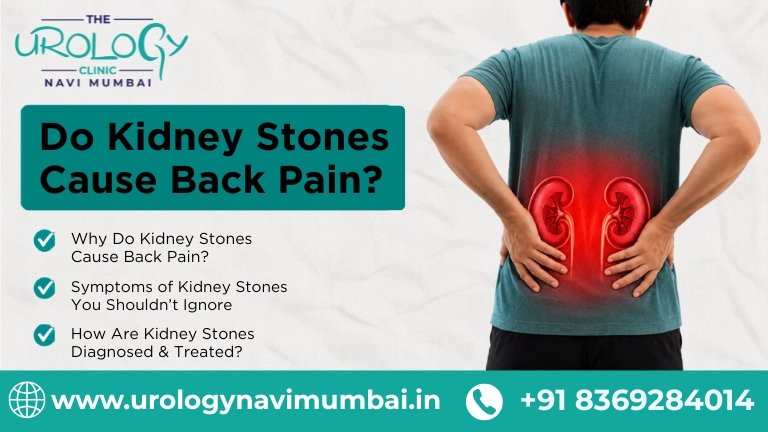
Do kidney stones cause back pain
Blogs Book An Apppointment Do Kidney Stones Cause Back Pain? Back pain is one of the most common reasons people visit a doctor, but not every backache is caused by muscle strain or poor posture. In some cases, pain that begins in the back may actually be linked to the kidneys. If you’ve been wondering do kidney stones cause back pain?, the answer is yes. Kidney stones often cause intense pain that starts in the side or back and may spread toward the lower abdomen or groin as the stone moves through the urinary tract. The pain associated with kidney stones is usually different from ordinary back pain. It often appears suddenly, becomes severe within minutes, and comes in waves rather than remaining constant. Recognizing these symptoms early can help you seek timely medical care and avoid complications. What Are Kidney Stones? Kidney stones are hard deposits made of minerals and salts that form inside the kidneys. They develop when certain substances in the urine become highly concentrated and stick together to form crystals. Over time, these crystals grow into stones of different sizes. Some kidney stones are as small as a grain of sand and pass naturally, while others become larger and may block the flow of urine, leading to severe pain and other symptoms. Why Do Kidney Stones Cause Back Pain? The reason do kidney stones cause back pain? is such a common concern is because the kidneys are located toward the back of the upper abdomen, just below the rib cage. When a stone remains inside the kidney or moves into the ureter, it can block urine flow and increase pressure within the urinary tract. This pressure triggers muscle spasms and irritation of nearby nerves, resulting in sharp pain that is commonly felt in the back or side. Unlike muscle-related back pain, kidney stone pain is not relieved by changing positions or resting. What Does Kidney Stone Back Pain Feel Like? Kidney stone pain has a few distinctive characteristics that help differentiate it from regular back pain. Pain Starts Suddenly The discomfort usually begins without warning and can become extremely intense within a short period. Pain Comes in Waves Instead of remaining constant, the pain increases and decreases as the stone moves through the urinary tract. Pain Changes Location It may begin in the side or back before gradually moving toward the lower abdomen or groin. Severe Intensity Many people describe kidney stone pain as one of the most painful medical conditions they have experienced. Other Symptoms That May Occur Along With Back Pain Back pain caused by kidney stones is often accompanied by additional symptoms that indicate the urinary tract is affected. These symptoms may include burning while passing urine, frequent urination, blood in the urine, cloudy or foul-smelling urine, nausea, vomiting, fever, chills, and difficulty passing urine. If fever or chills develop, immediate medical attention is important because it could indicate a kidney infection. Kidney Stone Pain vs. Muscle Back Pain Although both conditions involve discomfort in the back, they are quite different. Muscle-related back pain usually develops after lifting heavy objects, prolonged sitting, exercise, or injury. It often improves with rest, stretching, or pain medication. Kidney stone pain, however, starts suddenly without any obvious injury. It is much more severe, comes in waves, and is often associated with urinary symptoms. Changing body position generally does not reduce the pain. Risk Factors for Kidney Stones Several factors increase the chances of developing kidney stones. Not drinking enough water is one of the leading causes because concentrated urine allows minerals to crystallize more easily. Diets high in salt, excessive animal protein, obesity, certain medical conditions, family history, and repeated urinary tract infections can also increase the risk. People who have had kidney stones once are more likely to develop them again, making prevention especially important. How Are Kidney Stones Diagnosed? If your doctor suspects kidney stones, several tests may be recommended to confirm the diagnosis. A urine test helps detect blood, infection, or excess minerals. Blood tests evaluate kidney function and identify possible causes of stone formation. Imaging tests such as ultrasound or CT scans provide detailed information about the stone’s size, location, and whether it is blocking urine flow. Accurate diagnosis helps determine the most suitable treatment plan. Treatment Options for Kidney Stones Treatment depends on the size, location, and symptoms caused by the stone. Small stones often pass naturally with increased water intake, pain-relieving medications, and medicines that relax the urinary tract. Larger stones or stones causing severe pain, infection, or blockage may require advanced treatment such as: Extracorporeal Shock Wave Lithotripsy (ESWL) Ureteroscopy with laser stone removal Percutaneous Nephrolithotomy (PCNL) for large kidney stones Minimally invasive surgical procedures in selected cases Early treatment not only relieves pain but also protects kidney function. Can Kidney Stone Back Pain Be Prevented? While not every kidney stone can be prevented, healthy habits significantly reduce the risk. Drinking enough water throughout the day helps dilute urine and prevents crystal formation. Limiting salt intake, eating a balanced diet, maintaining a healthy weight, and following your doctor’s dietary recommendations based on the type of stone are also effective preventive measures. If you’ve had kidney stones before, regular follow-up can help detect recurring stones before they become painful. Every treatment journey is unique. Get expert advice on immunotherapy and chemotherapy options today. Book An Apppointment When Should You See a Urologist? Seek medical attention immediately if your back pain is severe, comes on suddenly, or is accompanied by blood in the urine, fever, vomiting, difficulty passing urine, or persistent nausea. Prompt evaluation helps prevent complications such as urinary blockage, kidney infection, or permanent kidney damage. Why Choose Urology Hospital Navi Mumbai? At Urology Hospital Navi Mumbai, patients receive comprehensive care for kidney stones using advanced diagnostic technology and minimally invasive treatment options. The hospital offers personalized treatment plans based on the size, type, and location of the stone, helping patients achieve faster recovery with minimal discomfort. From accurate diagnosis

वैरिकोसील कैसे होता है? कारण, लक्षण और उपचार की पूरी जानकारी
Blogs Book An Apppointment वैरिकोसील कैसे होता है? कारण, लक्षण और उपचार की पूरी जानकारी वैरिकोसील पुरुषों में होने वाली एक आम समस्या है, लेकिन इसके बारे में बहुत कम लोग जानते हैं। कई बार यह समस्या लंबे समय तक बिना किसी स्पष्ट लक्षण के बनी रहती है, जबकि कुछ लोगों को अंडकोष में दर्द, भारीपन या असहजता महसूस हो सकती है। कुछ मामलों में यह पुरुषों की प्रजनन क्षमता को भी प्रभावित कर सकती है। यदि समय रहते वैरिकोसील की पहचान और सही उपचार किया जाए, तो इससे होने वाली परेशानियों को काफी हद तक कम किया जा सकता है। आइए विस्तार से जानते हैं कि वैरिकोसील क्या है, यह कैसे होता है, इसके लक्षण क्या हैं और इसके उपचार के कौन-कौन से विकल्प उपलब्ध हैं। वैरिकोसील के बारे में जानकारी वैरिकोसील अंडकोष के आसपास मौजूद नसों में सूजन और फैलाव होने की स्थिति है। इसे सरल भाषा में समझें तो यह पैरों में दिखाई देने वाली वैरिकोज वेन्स की तरह ही एक समस्या है, लेकिन यह अंडकोष के आसपास की नसों में होती है। यह समस्या आमतौर पर किशोरावस्था या युवावस्था में विकसित होती है और अधिकतर मामलों में बाईं तरफ के अंडकोष में देखी जाती है। हालांकि कुछ लोगों में यह दोनों तरफ भी हो सकती है। हर व्यक्ति में वैरिकोसील गंभीर नहीं होता, लेकिन यदि इसके कारण दर्द, असुविधा या प्रजनन संबंधी समस्याएं होने लगें तो उपचार की आवश्यकता पड़ सकती है। वैरिकोसील कैसे होता है? अंडकोष तक रक्त पहुंचाने और वहां से वापस ले जाने का काम नसों के माध्यम से होता है। जब इन नसों में रक्त का प्रवाह सामान्य रूप से नहीं हो पाता, तब रक्त जमा होने लगता है। समय के साथ नसों पर दबाव बढ़ जाता है और वे फैलने लगती हैं। इसी स्थिति को वैरिकोसील कहा जाता है। यह समस्या धीरे-धीरे विकसित होती है। कई बार व्यक्ति को शुरुआती चरण में इसकी जानकारी भी नहीं होती। जैसे-जैसे नसों में सूजन बढ़ती है, वैसे-वैसे लक्षण दिखाई देने लगते हैं। वैरिकोसील होने के मुख्य कारण वैरिकोसील का कोई एक निश्चित कारण नहीं माना जाता, लेकिन कुछ स्थितियां इसके होने की संभावना बढ़ा सकती हैं। नसों में रक्त प्रवाह की समस्या सामान्य परिस्थितियों में नसें रक्त को एक दिशा में प्रवाहित करने का काम करती हैं। जब किसी कारण से रक्त का प्रवाह बाधित हो जाता है या रक्त वापस जमा होने लगता है, तब नसों पर दबाव बढ़ने लगता है। लगातार बढ़ता दबाव नसों को फैलाने लगता है और धीरे-धीरे वैरिकोसील विकसित हो सकता है। यह वैरिकोसील बनने के सबसे प्रमुख कारणों में से एक माना जाता है। नसों के वाल्व कमजोर होने की भूमिका नसों के अंदर छोटे-छोटे वाल्व मौजूद होते हैं जो रक्त को सही दिशा में आगे बढ़ाने में मदद करते हैं। यदि ये वाल्व ठीक से काम नहीं करते, तो रक्त पीछे की ओर जमा होने लगता है। जब लंबे समय तक रक्त जमा रहता है, तो नसें फैलने लगती हैं और उनमें सूजन आ सकती है। यही स्थिति आगे चलकर वैरिकोसील का कारण बन सकती है। वैरिकोसील के शुरुआती लक्षण हर व्यक्ति में वैरिकोसील के लक्षण अलग-अलग हो सकते हैं। कुछ लोगों को कोई परेशानी महसूस नहीं होती, जबकि कुछ लोगों में धीरे-धीरे लक्षण विकसित होने लगते हैं। अंडकोष में दर्द और भारीपन महसूस होना वैरिकोसील का सबसे आम लक्षण अंडकोष में दर्द या भारीपन महसूस होना है। यह दर्द हमेशा तेज नहीं होता। कई लोगों को हल्का खिंचाव या दबाव जैसा महसूस होता है। दिनभर खड़े रहने, व्यायाम करने या अधिक शारीरिक मेहनत के बाद यह परेशानी बढ़ सकती है। कुछ लोगों को शाम के समय दर्द अधिक महसूस होता है जबकि आराम करने या लेटने के बाद राहत मिलती है। यदि यह दर्द बार-बार होने लगे या दैनिक जीवन को प्रभावित करने लगे, तो डॉक्टर से जांच करवाना जरूरी है। प्रजनन क्षमता पर पड़ने वाला प्रभाव वैरिकोसील को पुरुषों में बांझपन से जुड़े प्रमुख कारणों में से एक माना जाता है। हालांकि इसका मतलब यह नहीं है कि हर वैरिकोसील से ग्रस्त व्यक्ति को प्रजनन संबंधी समस्या होगी। अंडकोष का तापमान सामान्य शरीर के तापमान से थोड़ा कम होना चाहिए। जब नसों में रक्त जमा होने लगता है, तो आसपास का तापमान बढ़ सकता है। इससे शुक्राणुओं की संख्या, गुणवत्ता और उनकी गति प्रभावित हो सकती है। कुछ पुरुषों में लंबे समय तक वैरिकोसील रहने पर गर्भधारण में कठिनाई हो सकती है। इसलिए यदि कोई दंपति लंबे समय से संतान प्राप्ति की कोशिश कर रहा है और सफलता नहीं मिल रही है, तो पुरुष की जांच में वैरिकोसील की संभावना भी देखी जाती है। वैरिकोसील के लक्षण दिखें तो समय पर जांच करवाएं। प्रजनन स्वास्थ्य और बेहतर उपचार के लिए विशेषज्ञ से मिलें। Book An Apppointment वैरिकोसील का निदान कैसे किया जाता है? वैरिकोसील की पहचान करने के लिए डॉक्टर सबसे पहले मरीज के लक्षणों और मेडिकल इतिहास के बारे में जानकारी लेते हैं। इसके बाद शारीरिक जांच की जाती है। कई मामलों में डॉक्टर जांच के दौरान ही सूजी हुई नसों को महसूस कर सकते हैं। यदि अधिक स्पष्ट जानकारी की आवश्यकता हो, तो अल्ट्रासाउंड जांच की सलाह दी जा सकती है। यह जांच नसों की स्थिति, रक्त प्रवाह और समस्या की गंभीरता को समझने में मदद करती है। सही निदान उपचार की दिशा तय करने में महत्वपूर्ण भूमिका निभाता है। वैरिकोसील के लिए उपलब्ध उपचार विकल्प हर वैरिकोसील का उपचार जरूरी नहीं होता। यदि मरीज को कोई लक्षण नहीं हैं और समस्या दैनिक जीवन या प्रजनन क्षमता को प्रभावित नहीं कर रही है, तो डॉक्टर केवल नियमित निगरानी की सलाह दे सकते हैं। लेकिन यदि दर्द लगातार बना रहता है, अंडकोष के आकार पर असर पड़ रहा है या प्रजनन संबंधी समस्या हो रही है, तो उपचार की आवश्यकता हो सकती है। उपचार के विकल्पों में शामिल हैं: दवाओं और निगरानी के माध्यम से प्रबंधन हल्के मामलों में दर्द को नियंत्रित करने और स्थिति पर नजर रखने की सलाह दी जा सकती है। साथ ही नियमित फॉलो-अप जांच भी की जाती है। सर्जिकल उपचार कुछ मामलों में सर्जरी की आवश्यकता पड़ सकती है। सर्जरी का उद्देश्य प्रभावित नसों को बंद करना या

Immunotherapy vs Chemotherapy
Blogs Book An Apppointment Immunotherapy vs Chemotherapy: Understanding the Difference Between Cancer Treatments Cancer treatment has advanced greatly, offering patients different options depending on their diagnosis and overall health. Among the most commonly recommended treatments are immunotherapy and chemotherapy. Although both treatments are designed to fight cancer, the way they work inside the body is different. Understanding immunotherapy vs chemotherapy can help patients and their families feel more confident while discussing treatment options. The most suitable approach depends on factors such as the type of cancer, its stage, the patient’s health condition, and a specialist’s recommendation. What Is Immunotherapy? Immunotherapy is a cancer treatment that supports the body’s natural immune system in finding and fighting cancer cells. The immune system normally protects the body from harmful changes, but some cancer cells can hide from this natural defense. This treatment helps improve the immune response so the body can recognize and attack cancer cells more effectively. Doctors may recommend immunotherapy for specific types of cancers after carefully reviewing the patient’s condition. What Is Chemotherapy? Chemotherapy is a cancer treatment that uses specific medicines to destroy cancer cells that grow and divide quickly. It directly targets rapidly multiplying cells to slow or stop the spread of cancer. Depending on the treatment plan, chemotherapy may be given through injections, medicines, or intravenous methods. It can also be combined with other cancer treatments when required. Immunotherapy vs Chemotherapy: Key Differences While both treatments focus on managing cancer, they have different methods of working and may affect the body differently. How the Treatment Works Immunotherapy improves the ability of the immune system to detect and fight cancer cells. Chemotherapy works by directly attacking fast-growing cancer cells. Treatment Approach Chemotherapy focuses on destroying cancer cells, while immunotherapy encourages the body’s own defense system to respond against cancer. Effect on Healthy Cells Chemotherapy may affect some healthy cells that naturally grow quickly, which can cause certain side effects. Immunotherapy works by modifying immune activity and has a different effect on the body. Treatment Duration The length of treatment differs for every patient and depends on the cancer type, treatment response, and medical plan suggested by the doctor. Response Time Chemotherapy may show results sooner in some cases, while immunotherapy may take more time as it depends on activating the immune response. How Do Doctors Choose the Right Treatment? Selecting between immunotherapy and chemotherapy requires a detailed medical evaluation. A cancer specialist considers multiple factors before creating a treatment plan. Important factors include: Type of cancer Stage and severity of cancer Genetic or molecular test findings Overall health condition Previous cancer treatments Expected response to therapy A personalized treatment plan helps ensure that every patient receives care based on their specific needs. Why Choose The Urology Clinic? The Urology Clinic provides advanced and personalized healthcare with a focus on accurate diagnosis, expert guidance, and patient comfort. With experienced specialists and modern medical facilities, the clinic offers comprehensive care tailored to each patient’s needs. The team focuses on providing clear communication, safe treatment approaches, and continuous support throughout the healthcare journey. Patients receive detailed evaluation and guidance to make informed decisions about their treatment options. The Urology Clinic is committed to delivering quality care with a patient-first approach for better health outcomes. Every treatment journey is unique. Get expert advice on immunotherapy and chemotherapy options today. Book An Apppointment Conclusion Understanding immunotherapy vs chemotherapy helps patients learn how these treatments work and why different approaches may be recommended. Both treatments have their own advantages and continue to play important roles in modern cancer care. The right choice depends on the patient’s condition, cancer characteristics, and expert medical guidance. A personalized treatment approach helps provide better support throughout the cancer treatment journey. FAQs What is the main difference between immunotherapy vs chemotherapy? The main difference is their approach. Immunotherapy helps the immune system recognize and fight cancer, while chemotherapy directly targets rapidly growing cancer cells. Is immunotherapy better than chemotherapy? Not always. The right treatment depends on the type of cancer, stage, test results, and the patient’s overall condition. Can immunotherapy and chemotherapy be used together? Yes, doctors may combine both treatments in certain cases to improve the effectiveness of cancer treatment. Does immunotherapy cause fewer side effects than chemotherapy? The side effects are different for each treatment. Some patients may tolerate one treatment better than another depending on their health and therapy type. How will my doctor decide which treatment is suitable? A cancer specialist reviews your diagnosis, reports, medical history, and treatment goals before recommending the best option. The main difference is their approach. Immunotherapy helps the immune system recognize and fight cancer, while chemotherapy directly targets rapidly growing cancer cells. Not always. The right treatment depends on the type of cancer, stage, test results, and the patient’s overall condition. Yes, doctors may combine both treatments in certain cases to improve the effectiveness of cancer treatment. The side effects are different for each treatment. Some patients may tolerate one treatment better than another depending on their health and therapy type. A cancer specialist reviews your diagnosis, reports, medical history, and treatment goals before recommending the best option. Free Consultation Book Now Call Now Paritosh Gaikwad Author

Sperm Test Price
Blogs Book An Apppointment Sperm Test Price: What You Should Know Before the Test Planning for pregnancy is an important journey, and sometimes couples may need medical guidance to understand their reproductive health better. When there are difficulties in conceiving, doctors often suggest a sperm test, also called semen analysis, to check important aspects of male fertility. If you have been advised to take this test, it is natural to have questions about the sperm test price and what the process includes. The overall cost may vary depending on the type of test, laboratory facilities, and any additional evaluations required. At The Urology Clinic, patients receive proper guidance, reliable testing support, and a comfortable environment where their concerns are handled with care and privacy. What Is a Sperm Test? A sperm test is a diagnostic test that helps evaluate male reproductive health by examining a semen sample. It provides important information about sperm quality and helps doctors understand factors that may affect fertility. The test usually checks sperm count, movement, shape, and other important details. Based on the results, doctors can identify possible concerns and suggest the right treatment approach if needed. Sperm Test Price The sperm test price in India depends on factors such as the clinic, laboratory standards, location, and type of analysis performed. A basic semen analysis test usually ranges between ₹500 and ₹2,000. In some cases, doctors may recommend advanced fertility testing for a more detailed evaluation, which can increase the overall cost. The exact price is usually confirmed after understanding the patient’s needs and recommended investigations. Factors That Affect Sperm Test Price The cost of a sperm test may differ from person to person because various factors influence the final charges. Type of Sperm Analysis A routine semen analysis is usually more affordable. However, detailed sperm evaluations that involve advanced testing methods may have higher charges. Laboratory Facilities Laboratories with modern equipment, advanced testing technology, and detailed reporting systems may have different pricing compared to basic testing centers. Doctor Consultation Consultation with a specialist for understanding the report and discussing further treatment options may be included separately in the total expense. Additional Fertility Tests Sometimes additional tests such as hormonal evaluation, imaging, or other fertility investigations may be recommended, which can affect the overall cost. Location and Healthcare Center The sperm test price can also vary depending on the city, clinic facilities, and availability of specialized diagnostic services. What Does the Sperm Test Cost Usually Include? The cost of a sperm test generally covers sample collection, laboratory examination, and a detailed semen analysis report. However, charges for doctor consultation, repeat testing, medications, or additional investigations may vary. Checking these details before the test helps patients understand the complete cost clearly. When Is a Sperm Test Recommended? A sperm test is commonly recommended when couples have difficulty achieving pregnancy or when a doctor wants to evaluate male fertility health. It may also be suggested to monitor treatment progress, check sperm quality, or identify possible causes affecting reproductive health. Your fertility health matters. Explore sperm test pricing details and speak with a specialist today. Book An Apppointment Why Choose The Urology Clinic? At The Urology Clinic, patient care is focused on accurate diagnosis, privacy, and a supportive healthcare experience. The clinic provides detailed evaluations with modern diagnostic support to help patients make informed decisions about their health. Experienced specialists guide patients through every step, from testing and understanding reports to planning the most suitable treatment options. Conclusion Understanding the sperm test price can help patients prepare better and feel more confident before undergoing the test. The final cost depends on factors such as the type of analysis, diagnostic facilities, and additional medical evaluations. At The Urology Clinic, patients receive accurate testing support, expert medical guidance, and confidential care throughout their fertility evaluation and treatment journey. FAQs What is the average sperm test price in India? The sperm test price usually ranges between ₹500 and ₹2,000, depending on the laboratory, location, and type of analysis required. Is a sperm test painful? No, a sperm test is a simple, safe, and painless diagnostic test. Does sperm test price include doctor consultation? Not always. Some clinics may charge consultation fees separately for report evaluation and medical advice. Why do doctors recommend a sperm test? Doctors recommend a sperm test to check sperm health and identify possible reasons related to male fertility concerns. Can sperm test prices vary between different clinics? Yes, the price can differ depending on laboratory facilities, testing methods, healthcare center, and location. The sperm test price usually ranges between ₹500 and ₹2,000, depending on the laboratory, location, and type of analysis required. No, a sperm test is a simple, safe, and painless diagnostic test. Not always. Some clinics may charge consultation fees separately for report evaluation and medical advice. Doctors recommend a sperm test to check sperm health and identify possible reasons related to male fertility concerns. Yes, the price can differ depending on laboratory facilities, testing methods, healthcare center, and location. Free Consultation Book Now Call Now Paritosh Gaikwad Author