


Blogs Book An Apppointment Phimosis Surgery: What You Should Know Before Treatment Living with discomfort caused by a tight foreskin can affect your daily comfort, hygiene, and overall well-being. This condition is known as phimosis, where the foreskin becomes difficult or impossible to pull back over the head of the penis. While some mild cases can be managed with medicines or other treatments, certain conditions may require surgical care. Understanding phimosis surgery can help you feel more prepared and confident about the treatment. At The Urology Clinic, patients receive proper evaluation, clear medical guidance, and personalized treatment options focused on comfort, safety, and better urological health. What Is Phimosis? Phimosis is a condition in which the foreskin is too tight and does not move back easily. It is common in young children but may also affect adults due to repeated infections, swelling, inflammation, injury, or scarring. Some people may not experience any symptoms, but when phimosis causes pain, difficulty maintaining hygiene, or repeated infections, consulting a urology specialist becomes important. What Is Phimosis Surgery? Phimosis surgery is a procedure performed to treat problems caused by a tight foreskin. It helps improve comfort, hygiene, and reduces the chances of repeated complications. The most commonly performed procedure is circumcision, where the tight foreskin is carefully removed. Depending on the patient’s condition, the doctor may recommend the most suitable surgical approach after a detailed examination. When Is Phimosis Surgery Recommended? A urologist may recommend phimosis surgery when medicines or non-surgical treatments are unable to provide relief, or when the condition starts affecting everyday life. Difficulty Retracting the Foreskin If the foreskin remains tight and cannot be pulled back comfortably, surgery may help correct the condition and reduce discomfort. Pain or Discomfort Pain during urination, cleaning, or other activities can be a sign that medical attention is required. Repeated Infections Frequent swelling, irritation, or infections around the foreskin may need proper treatment to prevent the problem from returning. Hygiene Difficulties A tight foreskin can make cleaning difficult, which may increase the chances of bacterial growth and infections. Foreskin Scarring Scarring can reduce the flexibility of the foreskin and may require surgical correction for long-term relief. How Is Phimosis Surgery Performed? Phimosis surgery is performed by an experienced urologist using appropriate anesthesia to keep the patient comfortable throughout the procedure. During surgery, the doctor carefully treats or removes the tight foreskin based on the patient’s condition. The procedure is usually completed within a short time, and many patients can return home on the same day after observation. Recovery After Phimosis Surgery Recovery after phimosis surgery depends on the individual’s overall health and the type of procedure performed. Most patients can slowly return to their regular activities within a few days, while complete healing may take a few weeks. Following proper hygiene practices, taking prescribed medicines, and attending follow-up visits can support a smoother recovery. Managing symptoms of phimosis? Explore available treatments and speak with a specialist today. Book An Apppointment Why Choose The Urology Clinic? At The Urology Clinic, patients receive care that focuses on privacy, comfort, and effective treatment. The specialists take time to understand each patient’s concerns and recommend treatment options based on their specific condition. With experienced urologists and advanced medical support, the clinic provides safe treatment solutions for phimosis while ensuring patients receive proper guidance at every step. Conclusion Phimosis surgery is a reliable treatment option for individuals facing discomfort, infections, or hygiene difficulties due to a tight foreskin. Getting the right diagnosis and treatment at the right time can help improve comfort and prevent future concerns. At The Urology Clinic, patients receive expert medical care, safe treatment options, and complete guidance throughout their healthcare journey. FAQs What is phimosis surgery? Phimosis surgery is a treatment procedure used to correct a tight foreskin that cannot retract properly, helping improve comfort and prevent related problems. Is phimosis surgery painful? The surgery is performed under anesthesia, so patients usually do not experience pain during the procedure. Mild discomfort after surgery can be managed with proper care. How much time does recovery take after phimosis surgery? Recovery time varies for each person. Many patients resume normal activities within a few days, while complete healing usually takes a few weeks. Does every person with phimosis need surgery? No, surgery is not required for everyone. It is usually suggested when symptoms are severe, recurring, or when other treatments are not effective. Can phimosis return after surgery? After proper surgical treatment, the chances of phimosis returning are usually low. Following the doctor’s advice helps maintain good results. Phimosis surgery is a treatment procedure used to correct a tight foreskin that cannot retract properly, helping improve comfort and prevent related problems. The surgery is performed under anesthesia, so patients usually do not experience pain during the procedure. Mild discomfort after surgery can be managed with proper care. Recovery time varies for each person. Many patients resume normal activities within a few days, while complete healing usually takes a few weeks. No, surgery is not required for everyone. It is usually suggested when symptoms are severe, recurring, or when other treatments are not effective. After proper surgical treatment, the chances of phimosis returning are usually low. Following the doctor’s advice helps maintain good results. Free Consultation Book Now Call Now Paritosh Gaikwad Author
पेशाब में जलन क्यों होती है? कारण, लक्षण और उपचार की पूरी जानकारी
Blogs Book An Apppointment पेशाब में जलन क्यों होती है? कारण, लक्षण और उपचार की पूरी जानकारी पेशाब करते समय जलन महसूस होना एक ऐसी समस्या है जिसका सामना जीवन में कभी न कभी कई लोगों को करना पड़ता है। कई बार यह समस्या कुछ समय के लिए होती है और पर्याप्त पानी पीने या सामान्य देखभाल से ठीक हो जाती है। लेकिन कुछ मामलों में यह किसी संक्रमण, मूत्र मार्ग की समस्या या अन्य स्वास्थ्य संबंधी परेशानी का संकेत भी हो सकती है। इसलिए पेशाब में जलन को हमेशा हल्के में नहीं लेना चाहिए। यदि यह समस्या बार-बार हो रही है या इसके साथ अन्य लक्षण भी दिखाई दे रहे हैं, तो सही कारण जानना और समय पर उपचार लेना जरूरी हो जाता है। पेशाब में जलन की समस्या क्या है? पेशाब में जलन एक ऐसी स्थिति है जिसमें व्यक्ति को पेशाब करते समय या उसके तुरंत बाद जलन, चुभन या असहजता महसूस होती है। यह समस्या पुरुषों और महिलाओं दोनों में हो सकती है। कुछ लोगों को हल्की जलन महसूस होती है, जबकि कुछ लोगों को इतना दर्द होता है कि पेशाब करना भी मुश्किल लगने लगता है। यह अपने आप में कोई बीमारी नहीं है, बल्कि शरीर में मौजूद किसी अन्य समस्या का संकेत हो सकता है। कई बार यह मूत्र मार्ग में संक्रमण, शरीर में पानी की कमी, किडनी या ब्लैडर से जुड़ी समस्या अथवा अन्य कारणों से होता है। इसलिए इसके पीछे छिपे कारण को समझना बहुत महत्वपूर्ण होता है। पेशाब में जलन कैसे होती है? जब मूत्र मार्ग, मूत्राशय या पेशाब बाहर निकालने वाली नली में किसी प्रकार की सूजन, संक्रमण या जलन पैदा होती है, तब पेशाब के दौरान दर्द या जलन महसूस होने लगती है। सामान्य परिस्थितियों में पेशाब बिना किसी परेशानी के बाहर निकलता है, लेकिन जब इन अंगों में समस्या उत्पन्न होती है तो पेशाब का प्रवाह प्रभावित हो सकता है। कुछ मामलों में बैक्टीरिया मूत्र मार्ग में प्रवेश कर संक्रमण पैदा कर देते हैं। इससे प्रभावित हिस्से में सूजन आ जाती है और पेशाब करते समय जलन महसूस होती है। वहीं शरीर में पानी की कमी होने पर पेशाब अधिक गाढ़ा हो जाता है, जिससे भी पेशाब के दौरान असहजता और जलन हो सकती है। पेशाब में जलन होने के मुख्य कारण पेशाब में जलन के कई कारण हो सकते हैं। सबसे सामान्य कारण मूत्र संक्रमण माना जाता है, लेकिन इसके अलावा भी कई स्थितियां इस समस्या को जन्म दे सकती हैं। यूरिन इन्फेक्शन और बैक्टीरिया की भूमिका यूरिनरी ट्रैक्ट इन्फेक्शन यानी यूटीआई पेशाब में जलन का सबसे आम कारण माना जाता है। यह तब होता है जब बैक्टीरिया मूत्र मार्ग में प्रवेश करके वहां संक्रमण पैदा कर देते हैं। संक्रमण होने पर मूत्राशय और मूत्र मार्ग की अंदरूनी परत में सूजन आ जाती है। यूटीआई होने पर व्यक्ति को पेशाब में जलन के साथ बार-बार पेशाब आने की इच्छा हो सकती है। कई बार थोड़ी-थोड़ी मात्रा में पेशाब आता है और हर बार दर्द महसूस होता है। यदि संक्रमण बढ़ जाए तो बुखार, पेट के निचले हिस्से में दर्द और कमजोरी जैसी समस्याएं भी दिखाई दे सकती हैं। यदि संक्रमण का समय पर उपचार न किया जाए तो यह किडनी तक पहुंच सकता है और गंभीर स्वास्थ्य समस्याएं पैदा कर सकता है। इसलिए ऐसे लक्षण दिखाई देने पर डॉक्टर की सलाह लेना आवश्यक है। शरीर में पानी की कमी और अन्य कारण हमारे शरीर को सही तरीके से कार्य करने के लिए पर्याप्त पानी की आवश्यकता होती है। जब शरीर में पानी की कमी हो जाती है तो पेशाब अधिक गाढ़ा और पीले रंग का हो सकता है। ऐसा पेशाब मूत्र मार्ग में अधिक जलन पैदा कर सकता है। गर्म मौसम, अधिक पसीना आना, पर्याप्त पानी न पीना या लंबे समय तक यात्रा करना शरीर में पानी की कमी का कारण बन सकता है। कई बार मसालेदार भोजन, अत्यधिक कैफीन वाले पेय पदार्थ या कुछ विशेष दवाएं भी पेशाब में जलन पैदा कर सकती हैं। इसके अलावा किडनी स्टोन, ब्लैडर स्टोन, यौन संक्रमण और कुछ त्वचा संबंधी समस्याएं भी इस परेशानी का कारण बन सकती हैं। इसलिए केवल लक्षण देखकर कारण का अनुमान लगाना हमेशा सही नहीं होता। सही निदान के लिए चिकित्सकीय जांच जरूरी होती है। पेशाब में जलन के सामान्य लक्षण पेशाब में जलन के साथ कई अन्य लक्षण भी दिखाई दे सकते हैं। इन लक्षणों को पहचानने से समस्या की गंभीरता को समझने में मदद मिलती है। बार-बार पेशाब आना और दर्द महसूस होना जब मूत्र मार्ग में संक्रमण या सूजन होती है, तब व्यक्ति को बार-बार पेशाब आने की इच्छा हो सकती है। हालांकि हर बार पेशाब की मात्रा बहुत कम हो सकती है। यह स्थिति काफी परेशान करने वाली होती है क्योंकि व्यक्ति को बार-बार शौचालय जाना पड़ता है।इसके साथ पेशाब करते समय दर्द या चुभन महसूस होना भी सामान्य बात है। कई लोगों को ऐसा लगता है जैसे पेशाब निकलते समय जलन बढ़ रही हो। यदि दर्द लगातार बढ़ता जा रहा हो या कई दिनों तक बना रहे, तो इसे नजरअंदाज नहीं करना चाहिए। पेशाब के रंग और गंध में बदलाव पेशाब में जलन के साथ कई बार पेशाब के रंग और गंध में भी बदलाव देखने को मिल सकता है। सामान्य रूप से पेशाब हल्के पीले रंग का होता है, लेकिन संक्रमण या अन्य समस्याओं के कारण इसका रंग गहरा पीला, धुंधला या असामान्य दिखाई दे सकता है। कुछ मामलों में पेशाब से तेज गंध भी आने लगती है। यदि पेशाब में खून दिखाई दे, बहुत अधिक बदबू आए या उसका रंग लगातार बदलता रहे, तो तुरंत डॉक्टर से संपर्क करना चाहिए क्योंकि यह किसी गंभीर समस्या का संकेत हो सकता है। पेशाब में जलन का निदान कैसे किया जाता है? पेशाब में जलन की समस्या का सही उपचार तभी संभव है जब इसके वास्तविक कारण का पता लगाया जाए। इसलिए डॉक्टर सबसे पहले मरीज के लक्षणों, मेडिकल हिस्ट्री और समस्या की अवधि के बारे में जानकारी लेते हैं। इसके बाद आवश्यकतानुसार कुछ जांचें कराने की सलाह दी जा सकती है। सबसे सामान्य जांच यूरिन टेस्ट होती है। इस जांच के माध्यम से पेशाब में संक्रमण, बैक्टीरिया, खून या अन्य

किडनी स्टोन में कौन सा भाग दर्द होता है?
Blogs Book An Apppointment किडनी स्टोन में कौन सा भाग दर्द होता है? किडनी स्टोन एक ऐसी समस्या है जो अचानक होने वाले तेज दर्द के कारण व्यक्ति को काफी परेशान कर सकती है। कई बार लोग शुरुआत में समझ ही नहीं पाते कि जो दर्द उन्हें महसूस हो रहा है, वह किडनी स्टोन की वजह से है या किसी दूसरी समस्या के कारण। किडनी स्टोन का दर्द हर व्यक्ति में एक जैसा नहीं होता। यह इस बात पर निर्भर करता है कि स्टोन का आकार कितना है और वह किडनी या यूरिनरी ट्रैक्ट के किस हिस्से में मौजूद है। इसलिए यह जानना जरूरी है कि किडनी स्टोन होने पर शरीर के किन हिस्सों में दर्द महसूस हो सकता है और इसके साथ कौन से अन्य लक्षण दिखाई दे सकते हैं। परिचय किडनी स्टोन यानी गुर्दे की पथरी एक आम लेकिन काफी दर्दनाक समस्या मानी जाती है। कई लोगों को शुरुआत में यह समझ नहीं आता कि शरीर के किस हिस्से में होने वाला दर्द किडनी स्टोन से जुड़ा हो सकता है। दरअसल, पथरी का दर्द केवल किडनी तक सीमित नहीं रहता, बल्कि यह कमर, पीठ, पेट और यहां तक कि ग्रोइन क्षेत्र तक भी फैल सकता है। दर्द की जगह और उसकी तीव्रता इस बात पर निर्भर करती है कि पथरी कहाँ मौजूद है और वह पेशाब के रास्ते में कितनी रुकावट पैदा कर रही है। इस लेख में हम जानेंगे कि किडनी स्टोन में दर्द शरीर के किन हिस्सों में महसूस हो सकता है, इसके साथ कौन से अन्य लक्षण दिखाई देते हैं और कब डॉक्टर से सलाह लेना जरूरी होता है। किडनी स्टोन क्या है? किडनी स्टोन खनिजों और नमक से बने कठोर कण होते हैं जो गुर्दों के अंदर बनते हैं। सामान्य रूप से शरीर में मौजूद अपशिष्ट पदार्थ पेशाब के जरिए बाहर निकल जाते हैं, लेकिन जब कुछ खनिज और रसायन अधिक मात्रा में जमा होने लगते हैं, तो वे छोटे-छोटे क्रिस्टल का रूप ले लेते हैं। समय के साथ ये क्रिस्टल आपस में जुड़कर पथरी बन सकते हैं। पथरी का आकार हर व्यक्ति में अलग हो सकता है। कुछ पथरियां इतनी छोटी होती हैं कि बिना किसी परेशानी के पेशाब के साथ बाहर निकल जाती हैं, जबकि कुछ बड़ी पथरियां पेशाब के रास्ते में रुकावट पैदा कर सकती हैं। यही रुकावट दर्द और अन्य लक्षणों का कारण बनती है। पानी कम पीना, खानपान की कुछ आदतें, मोटापा, कुछ बीमारियां और पारिवारिक इतिहास किडनी स्टोन बनने के जोखिम को बढ़ा सकते हैं। किडनी स्टोन में दर्द कहाँ होता है? किडनी स्टोन का दर्द हमेशा एक ही जगह महसूस नहीं होता। यह इस बात पर निर्भर करता है कि पथरी कहाँ स्थित है और वह किस दिशा में बढ़ रही है। आमतौर पर दर्द अचानक शुरू होता है और उसकी तीव्रता समय-समय पर बदल सकती है। कई मरीज बताते हैं कि दर्द कुछ मिनटों के लिए बहुत तेज हो जाता है और फिर थोड़ा कम हो जाता है। जैसे-जैसे पथरी आगे बढ़ती है, दर्द की जगह भी बदल सकती है। यही कारण है कि किडनी स्टोन के दर्द को पहचानना कभी-कभी मुश्किल हो जाता है। कमर और पीठ में दर्द किडनी स्टोन का सबसे आम लक्षण कमर या पीठ के एक तरफ होने वाला दर्द है। यह दर्द आमतौर पर पसलियों के नीचे और रीढ़ की हड्डी के आसपास महसूस होता है। कई लोगों को शुरुआत में लगता है कि शायद यह सामान्य कमर दर्द है या ज्यादा देर बैठने के कारण दर्द हो रहा है। लेकिन किडनी स्टोन का दर्द सामान्य कमर दर्द से काफी अलग होता है। यह दर्द अचानक शुरू हो सकता है और बहुत तेज हो सकता है। कुछ लोगों को ऐसा महसूस होता है जैसे किसी ने कमर के अंदर से जोर से दबाव डाला हो। कई बार दर्द इतना अधिक होता है कि व्यक्ति को आराम से बैठना या लेटना भी मुश्किल हो जाता है। दर्द लगातार रहने के बजाय लहरों की तरह आता-जाता भी रह सकता है। यदि पथरी किडनी से निकलकर यूरेटर में प्रवेश करने लगती है, तो दर्द की तीव्रता और बढ़ सकती है। यही कारण है कि किडनी स्टोन का दर्द कई मरीजों द्वारा जीवन के सबसे दर्दनाक अनुभवों में से एक माना जाता है। पेट और पसलियों के नीचे दर्द किडनी स्टोन का दर्द केवल कमर तक सीमित नहीं रहता। कई बार यह दर्द पेट के एक हिस्से या पसलियों के नीचे भी महसूस हो सकता है। कुछ मरीजों को पेट के दाईं या बाईं तरफ भारीपन, दबाव या खिंचाव जैसा महसूस होता है। जब पथरी पेशाब के रास्ते में आगे बढ़ती है, तब दर्द पेट के निचले हिस्से तक भी पहुंच सकता है। कई बार यह दर्द इतना भ्रम पैदा करता है कि मरीज इसे गैस, अपच या पेट की दूसरी समस्याओं से जोड़कर देखने लगता है। हालांकि किडनी स्टोन के दर्द की खास बात यह होती है कि यह अचानक शुरू हो सकता है और इसकी तीव्रता काफी ज्यादा हो सकती है। कुछ लोगों को दर्द के साथ पेट में बेचैनी भी महसूस होती है। दर्द के कारण सामान्य गतिविधियां प्रभावित होने लगती हैं और व्यक्ति का ध्यान किसी काम में नहीं लग पाता। यदि पेट के दर्द के साथ पेशाब से जुड़ी समस्याएं भी दिखाई दें, तो किडनी स्टोन की संभावना को नजरअंदाज नहीं करना चाहिए। ग्रोइन और जननांग क्षेत्र में दर्द जैसे-जैसे पथरी नीचे की ओर बढ़ती है, दर्द भी शरीर के निचले हिस्सों तक पहुंच सकता है। कई मरीजों को जांघों के ऊपरी हिस्से, ग्रोइन क्षेत्र या जननांगों के आसपास दर्द महसूस होता है। यह स्थिति आमतौर पर तब होती है जब पथरी यूरेटर के निचले हिस्से में पहुंच जाती है। पुरुषों में यह दर्द अंडकोष तक फैल सकता है, जबकि महिलाओं में पेल्विक क्षेत्र में दर्द महसूस हो सकता है। कई बार मरीजों को लगता है कि समस्या प्रजनन अंगों से जुड़ी है, जबकि वास्तविक कारण किडनी स्टोन होता है। ग्रोइन क्षेत्र में होने वाला दर्द कभी हल्का तो कभी बहुत तेज हो सकता है। कुछ लोगों को चलने, बैठने या शरीर की स्थिति बदलने पर दर्द अधिक महसूस होता है। यदि कमर के दर्द के बाद

Phimosis Meaning in Hindi – फिमोसिस क्या होता है?
Blogs Book An Apppointment Phimosis Meaning in Hindi – फिमोसिस क्या होता है? पुरुषों में होने वाली कई स्वास्थ्य समस्याओं में से एक समस्या फिमोसिस भी है। यह स्थिति तब होती है जब लिंग की फोरस्किन यानी ऊपरी त्वचा बहुत ज्यादा टाइट हो जाती है और पीछे की ओर आसानी से नहीं खिसकती। कई लोगों को शुरुआत में यह सामान्य लगता है, लेकिन समय के साथ यह समस्या दर्द, सूजन और पेशाब करने में परेशानी जैसी दिक्कतें पैदा कर सकती है। फिमोसिस बच्चों और वयस्कों दोनों में देखा जा सकता है। छोटे बच्चों में यह कई बार सामान्य स्थिति होती है, लेकिन बड़े होने के बाद भी अगर फोरस्किन टाइट बनी रहे तो यह मेडिकल समस्या मानी जाती है। सही समय पर इलाज और देखभाल से इस समस्या को आसानी से नियंत्रित किया जा सकता है। इसलिए इसके लक्षणों और कारणों की जानकारी होना जरूरी है। Phimosis का हिंदी में मतलब क्या है? Phimosis का हिंदी अर्थ “फोरस्किन का संकुचित या टाइट होना” होता है। इसमें लिंग की ऊपरी त्वचा इतनी तंग हो जाती है कि उसे पीछे करना मुश्किल हो जाता है। कई बार व्यक्ति को दर्द महसूस होता है और कुछ मामलों में त्वचा बिल्कुल भी पीछे नहीं जाती। यह समस्या हल्की भी हो सकती है और गंभीर भी। कुछ लोगों में केवल हल्का खिंचाव महसूस होता है, जबकि कुछ में पेशाब तक प्रभावित हो जाता है। फिमोसिस क्या है? फिमोसिस एक ऐसी स्थिति है जिसमें पेनिस की फोरस्किन ग्लान्स यानी लिंग के सिर वाले हिस्से के ऊपर से पीछे नहीं हटती। सामान्य रूप से फोरस्किन लचीली होती है और आसानी से पीछे खिसक जाती है, लेकिन फिमोसिस में ऐसा नहीं हो पाता। यह स्थिति कई कारणों से हो सकती है जैसे संक्रमण, सफाई की कमी, बार-बार सूजन या त्वचा का कठोर हो जाना। अगर समय पर इसका इलाज न कराया जाए तो यह व्यक्ति की दैनिक जिंदगी और यौन स्वास्थ्य दोनों को प्रभावित कर सकती है। फोरस्किन का टाइट होना फोरस्किन का टाइट होना फिमोसिस का सबसे मुख्य लक्षण माना जाता है। इसमें त्वचा सिकुड़ जाती है और उसे पीछे करने पर दर्द या खिंचाव महसूस होता है। कई बार लोग जबरदस्ती फोरस्किन पीछे करने की कोशिश करते हैं, जिससे त्वचा में कट या सूजन आ सकती है। कुछ मामलों में टाइट फोरस्किन के कारण सफाई ठीक से नहीं हो पाती और संक्रमण का खतरा बढ़ जाता है। यही वजह है कि इस समस्या को नजरअंदाज नहीं करना चाहिए। यह समस्या किन लोगों में होती है? फिमोसिस बच्चों और वयस्क पुरुषों दोनों में हो सकता है। छोटे बच्चों में जन्म के समय फोरस्किन का टाइट होना सामान्य माना जाता है। जैसे-जैसे उम्र बढ़ती है, त्वचा धीरे-धीरे ढीली होने लगती है। वहीं वयस्कों में यह समस्या कई कारणों से विकसित हो सकती है। जिन लोगों को डायबिटीज होती है, बार-बार संक्रमण होता है या जो सही सफाई नहीं रखते, उनमें फिमोसिस का खतरा ज्यादा देखा जाता है। फिमोसिस के प्रकार फिमोसिस मुख्य रूप से दो प्रकार का होता है। फिजियोलॉजिकल फिमोसिस:- यह बच्चों में पाया जाने वाला सामान्य प्रकार है। इसमें फोरस्किन प्राकृतिक रूप से टाइट होती है। जैसे-जैसे बच्चा बड़ा होता है, यह स्थिति अपने आप ठीक हो सकती है। पैथोलॉजिकल फिमोसिस:- यह गंभीर प्रकार माना जाता है। इसमें संक्रमण, चोट या सूजन के कारण फोरस्किन सख्त और टाइट हो जाती है। इस स्थिति में डॉक्टर की सलाह और इलाज जरूरी होता है। फिमोसिस के मुख्य कारण फिमोसिस होने के पीछे कई कारण जिम्मेदार हो सकते हैं। कुछ कारण अस्थायी होते हैं जबकि कुछ लंबे समय तक समस्या पैदा कर सकते हैं। संक्रमण और सूजन अगर पेनिस के आसपास बार-बार संक्रमण होता है तो त्वचा में सूजन और कठोरता आ सकती है। इससे फोरस्किन सिकुड़ने लगती है और पीछे करना मुश्किल हो जाता है। डायबिटीज का प्रभाव डायबिटीज वाले मरीजों में संक्रमण का खतरा ज्यादा रहता है। हाई ब्लड शुगर के कारण बैक्टीरिया और फंगल इंफेक्शन जल्दी हो सकते हैं, जिससे फिमोसिस की समस्या बढ़ सकती है। सफाई की कमी अगर निजी अंगों की सफाई सही तरीके से न की जाए तो गंदगी और बैक्टीरिया जमा हो सकते हैं। इससे संक्रमण और सूजन का खतरा बढ़ता है, जो आगे चलकर फिमोसिस का कारण बन सकता है। फिमोसिस के लक्षण फिमोसिस के लक्षण व्यक्ति की स्थिति के अनुसार अलग-अलग हो सकते हैं। शुरुआत में हल्की परेशानी होती है, लेकिन धीरे-धीरे लक्षण गंभीर हो सकते हैं। फोरस्किन का पीछे न जाना पेशाब करते समय दर्द फोरस्किन में सूजन त्वचा में खिंचाव महसूस होना लालिमा और जलन संभोग के दौरान दर्द अगर इन लक्षणों को लंबे समय तक नजरअंदाज किया जाए तो समस्या ज्यादा बढ़ सकती है। फिमोसिस से होने वाली समस्याएं फिमोसिस केवल टाइट फोरस्किन तक सीमित नहीं रहता। यह कई अन्य समस्याओं का कारण भी बन सकता है। पेशाब करने में परेशानी टाइट फोरस्किन के कारण पेशाब का रास्ता प्रभावित हो सकता है। कई लोगों को पेशाब करते समय जलन, दर्द या कमजोर फ्लो की समस्या होती है। कुछ मामलों में फोरस्किन गुब्बारे की तरह फूलने लगती है, जिससे व्यक्ति को काफी असुविधा होती है। दर्द और सूजन फिमोसिस में त्वचा पर लगातार दबाव और खिंचाव रहता है। इससे दर्द और सूजन की समस्या हो सकती है। संक्रमण होने पर स्थिति और गंभीर हो सकती है। कई बार संभोग के दौरान भी दर्द महसूस होता है, जिससे व्यक्ति का आत्मविश्वास प्रभावित हो सकता है। फिमोसिस की समस्या लंबे समय तक रहने पर व्यक्ति की रोजमर्रा की जिंदगी भी प्रभावित हो सकती है। कई लोगों को चलने, बैठने या टाइट कपड़े पहनने के दौरान असहजता महसूस होती है। अगर फोरस्किन में बार-बार सूजन आती रहे तो त्वचा और ज्यादा सख्त हो सकती है, जिससे समस्या बढ़ने लगती है। कुछ मामलों में संक्रमण बढ़ने पर बदबू, सफेद पदार्थ जमा होना और त्वचा में खुजली जैसी समस्याएं भी दिखाई देती हैं। यह स्थिति व्यक्ति के आत्मविश्वास और मानसिक स्थिति पर भी असर डाल सकती है। कई पुरुष शर्म की वजह से डॉक्टर से बात करने में देरी कर देते हैं, जिससे समस्या गंभीर हो सकती है। अगर समय पर इलाज न कराया जाए तो संभोग के दौरान दर्द और त्वचा

Catheterization Meaning in Hindi – कैथेटराइजेशन क्या होता है?
Blogs Book An Apppointment Catheterization Meaning in Hindi – कैथेटराइजेशन क्या होता है? आज के समय में कई मेडिकल प्रक्रियाएं ऐसी हैं जिनके नाम सुनकर लोग घबरा जाते हैं। Catheterization भी उन्हीं में से एक प्रक्रिया है। कई लोगों को लगता है कि यह बहुत दर्दनाक या खतरनाक प्रक्रिया होती है, जबकि वास्तविकता में यह एक सामान्य और सुरक्षित मेडिकल तकनीक है जिसका उपयोग कई गंभीर स्वास्थ्य समस्याओं की जांच और उपचार में किया जाता है। डॉक्टर शरीर के अंदर मौजूद अंगों तक सुरक्षित तरीके से पहुंचने के लिए एक पतली और लचीली ट्यूब का उपयोग करते हैं, जिसे कैथेटर कहा जाता है। यही प्रक्रिया Catheterization कहलाती है। हृदय रोगों से लेकर पेशाब की समस्या और गंभीर मरीजों की निगरानी तक, Catheterization का उपयोग आधुनिक चिकित्सा में बेहद महत्वपूर्ण माना जाता है। Catheterization का हिंदी में अर्थ क्या है? Catheterization का हिंदी अर्थ “कैथेटर द्वारा की जाने वाली चिकित्सा प्रक्रिया” होता है। इसमें शरीर के किसी हिस्से में एक पतली नली डाली जाती है ताकि जांच, दवा पहुंचाने, तरल पदार्थ निकालने या इलाज करने में मदद मिल सके। आसान भाषा में समझें तो जब डॉक्टर शरीर के अंदर किसी अंग तक पहुंचने के लिए विशेष ट्यूब का उपयोग करते हैं, तो उसे Catheterization कहा जाता है। यह प्रक्रिया अलग-अलग उद्देश्यों के लिए की जा सकती है और मरीज की स्थिति के अनुसार इसका तरीका भी बदल सकता है। Catheterization क्या होता है? Catheterization एक मेडिकल प्रक्रिया है जिसमें शरीर के अंदर एक पतली, मुलायम और लचीली ट्यूब डाली जाती है। इस ट्यूब को कैथेटर कहा जाता है। इसका उपयोग शरीर के अंदर मौजूद अंगों की जांच करने, दवा देने, ब्लॉकेज देखने या शरीर से तरल पदार्थ बाहर निकालने के लिए किया जाता है। यह प्रक्रिया कई अलग-अलग मेडिकल विभागों में उपयोग की जाती है। उदाहरण के लिए, हृदय रोग विशेषज्ञ हृदय की रक्त वाहिकाओं की जांच के लिए Cardiac Catheterization करते हैं, जबकि यूरोलॉजिस्ट पेशाब से जुड़ी समस्याओं में Urinary Catheterization का उपयोग करते हैं। कैथेटर क्या होता है? कैथेटर एक पतली और लचीली मेडिकल ट्यूब होती है जिसे शरीर के अंदर डाला जाता है। यह अलग-अलग आकार और प्रकार में उपलब्ध होती है और इसका चुनाव मरीज की समस्या के आधार पर किया जाता है। कुछ कैथेटर अस्थायी उपयोग के लिए होते हैं, जबकि कुछ लंबे समय तक लगाए जा सकते हैं। इन्हें आमतौर पर सिलिकॉन, प्लास्टिक या रबर जैसी सामग्री से बनाया जाता है ताकि शरीर के अंदर कम से कम असुविधा हो। यह प्रक्रिया क्यों की जाती है? Catheterization कई कारणों से की जाती है। कुछ मामलों में इसका उपयोग केवल जांच के लिए किया जाता है, जबकि कई बार यह उपचार का हिस्सा भी होती है। अगर किसी व्यक्ति को हृदय में ब्लॉकेज की संभावना हो, पेशाब रुकने की समस्या हो, ICU में लगातार दवा देने की जरूरत हो या शरीर के अंदर दबाव मापना हो, तो डॉक्टर Catheterization की सलाह दे सकते हैं। यह प्रक्रिया डॉक्टरों को बिना बड़ी सर्जरी के शरीर के अंदर की स्थिति समझने में मदद करती है। इसी कारण इसे आधुनिक चिकित्सा की महत्वपूर्ण तकनीकों में गिना जाता है। Catheterization कैसे काम करता है? इस प्रक्रिया में डॉक्टर शरीर के किसी विशेष हिस्से से कैथेटर अंदर डालते हैं। इसके बाद कैथेटर को धीरे-धीरे उस अंग तक पहुंचाया जाता है जहां जांच या उपचार करना होता है। उदाहरण के लिए Cardiac Catheterization में कैथेटर को हाथ या पैर की रक्त वाहिका से हृदय तक पहुंचाया जाता है। वहीं Urinary Catheterization में कैथेटर को मूत्रमार्ग के जरिए मूत्राशय तक ले जाया जाता है। कई बार डॉक्टर इस प्रक्रिया के दौरान स्क्रीन और इमेजिंग तकनीक का उपयोग करते हैं ताकि कैथेटर सही जगह तक पहुंचे और प्रक्रिया सुरक्षित तरीके से पूरी हो सके। Catheterization के प्रकार Catheterization अलग-अलग मेडिकल जरूरतों के अनुसार कई प्रकार की होती है। हर प्रकार का उद्देश्य और प्रक्रिया अलग होती है। Cardiac Catheterization Cardiac Catheterization का उपयोग हृदय से जुड़ी समस्याओं की जांच के लिए किया जाता है। इसमें कैथेटर को रक्त वाहिका के माध्यम से हृदय तक पहुंचाया जाता है। इस प्रक्रिया की मदद से डॉक्टर हृदय की धमनियों में ब्लॉकेज, रक्त प्रवाह और हृदय की कार्यक्षमता की जांच करते हैं। कई मामलों में इसी प्रक्रिया के दौरान एंजियोप्लास्टी और स्टेंट डालने का काम भी किया जाता है। Urinary Catheterization Urinary Catheterization का उपयोग तब किया जाता है जब मरीज सामान्य तरीके से पेशाब नहीं कर पाता। इसमें कैथेटर को मूत्रमार्ग के जरिए मूत्राशय तक पहुंचाया जाता है ताकि पेशाब बाहर निकाला जा सके। यह प्रक्रिया सर्जरी के बाद, लकवा, प्रोस्टेट की समस्या या गंभीर बीमारी से जूझ रहे मरीजों में काफी उपयोगी होती है। Central Venous Catheterization Central Venous Catheterization में कैथेटर को शरीर की बड़ी नस में डाला जाता है। इसका उपयोग ICU मरीजों में दवा देने, ब्लड सैंपल लेने या शरीर में तरल पदार्थ पहुंचाने के लिए किया जाता है। गंभीर मरीजों की निगरानी में यह प्रक्रिया काफी महत्वपूर्ण मानी जाती है। Catheterization की आवश्यकता कब पड़ती है? हर मरीज को Catheterization की जरूरत नहीं होती, लेकिन कुछ स्थितियों में यह प्रक्रिया बेहद जरूरी हो जाती है। अगर मरीज को छाती में दर्द, सांस लेने में तकलीफ, पेशाब रुकना, बार-बार संक्रमण, किडनी की समस्या या गंभीर हृदय रोग के लक्षण हों, तो डॉक्टर Catheterization की सलाह दे सकते हैं। इसके अलावा ICU में भर्ती मरीजों, बड़े ऑपरेशन के बाद और लंबे समय तक इलाज चलने वाले मरीजों में भी इसका उपयोग किया जाता है। Catheterization प्रक्रिया कैसे की जाती है? प्रक्रिया शुरू करने से पहले मरीज की जांच की जाती है और जरूरी टेस्ट किए जाते हैं। इसके बाद मरीज को ऑपरेशन थिएटर या विशेष प्रक्रिया कक्ष में ले जाया जाता है। जिस जगह से कैथेटर डालना होता है, वहां सफाई और एनेस्थीसिया दिया जाता है ताकि दर्द कम महसूस हो। फिर डॉक्टर धीरे-धीरे कैथेटर को अंदर डालते हैं और जरूरत के अनुसार आगे बढ़ाते हैं। पूरी प्रक्रिया के दौरान मरीज की निगरानी की जाती है। प्रक्रिया पूरी होने के बाद कैथेटर हटाया जा सकता है या जरूरत के अनुसार कुछ समय तक रखा जा सकता है। Catheterization के संभावित जोखिम हालांकि Catheterization सामान्य

Nausea in Hindi – मतली क्या होती है और इसके कारण
Blogs Book An Apppointment Nausea in Hindi – मतली क्या होती है और इसके कारण मतली एक ऐसी समस्या है जिसे लगभग हर व्यक्ति ने कभी न कभी महसूस किया होता है। यह कोई बीमारी नहीं बल्कि शरीर का एक संकेत होता है, जो बताता है कि शरीर के अंदर कुछ गड़बड़ चल रही है। कई बार पेट खराब होने, संक्रमण, ज्यादा यात्रा करने, तनाव या गर्भावस्था के कारण मतली महसूस हो सकती है। कुछ लोगों को मतली के साथ उल्टी भी होती है, जबकि कुछ लोगों को केवल बेचैनी और घबराहट जैसा अनुभव होता है। मतली की समस्या बच्चों से लेकर बुजुर्गों तक किसी को भी हो सकती है। हालांकि महिलाओं में यह समस्या अधिक देखी जाती है, खासकर प्रेग्नेंसी के दौरान। यदि मतली बार-बार होने लगे या लंबे समय तक बनी रहे, तो यह किसी गंभीर स्वास्थ्य समस्या का संकेत भी हो सकता है। इसलिए इसके कारणों और लक्षणों को समझना जरूरी होता है। मतली (Nausea) क्या होती है? मतली एक ऐसी स्थिति होती है जिसमें व्यक्ति को ऐसा महसूस होता है कि उसे उल्टी आने वाली है। इस दौरान पेट में बेचैनी, भारीपन और घुमाव जैसा एहसास हो सकता है। कई बार व्यक्ति को कमजोरी, चक्कर और पसीना आने जैसी समस्याएं भी महसूस होती हैं। मतली अपने आप में बीमारी नहीं होती, बल्कि यह किसी अन्य शारीरिक समस्या या स्थिति का लक्षण होती है। कभी-कभी यह कुछ समय के लिए होती है और खुद ठीक हो जाती है, लेकिन अगर यह लगातार बनी रहे तो डॉक्टर से जांच करवाना जरूरी हो जाता है। मतली होने के मुख्य कारण मतली कई अलग-अलग कारणों से हो सकती है। कुछ कारण सामान्य होते हैं, जबकि कुछ स्वास्थ्य से जुड़ी गंभीर समस्याओं की ओर संकेत कर सकते हैं। पेट खराब होना पेट खराब होना मतली का सबसे सामान्य कारण माना जाता है। गलत खानपान, ज्यादा मसालेदार भोजन, बाहर का अस्वच्छ खाना या पाचन खराब होने के कारण पेट में गड़बड़ी हो सकती है। ऐसे में व्यक्ति को मतली, गैस, पेट दर्द और उल्टी जैसी समस्याएं हो सकती हैं। कई बार लंबे समय तक भूखे रहने या बहुत ज्यादा खाना खाने से भी पेट खराब हो जाता है, जिससे मतली महसूस होने लगती है। फूड पॉइज़निंग खराब या संक्रमित भोजन खाने से फूड पॉइज़निंग हो सकती है। इसमें बैक्टीरिया, वायरस या दूषित पदार्थ शरीर में पहुंच जाते हैं, जिससे मतली और उल्टी की समस्या शुरू हो जाती है। इसके साथ दस्त, पेट में मरोड़, बुखार और कमजोरी भी हो सकती है। फूड पॉइज़निंग होने पर शरीर खराब पदार्थों को बाहर निकालने की कोशिश करता है, इसलिए मतली और उल्टी होना आम बात है। गर्भावस्था के दौरान मतली प्रेग्नेंसी में मतली होना बहुत सामान्य माना जाता है। इसे मॉर्निंग सिकनेस भी कहा जाता है। गर्भावस्था के शुरुआती महीनों में हार्मोनल बदलाव तेजी से होते हैं, जिसकी वजह से महिलाओं को मतली और उल्टी महसूस हो सकती है। कुछ महिलाओं को केवल सुबह के समय मतली होती है, जबकि कुछ को दिनभर परेशानी महसूस हो सकती है। आमतौर पर यह समस्या कुछ महीनों बाद कम हो जाती है। मतली के सामान्य लक्षण मतली के दौरान शरीर में कई तरह के लक्षण दिखाई दे सकते हैं। व्यक्ति को लगातार बेचैनी महसूस हो सकती है और खाना खाने का मन नहीं करता। कई लोगों को मुंह में पानी आना, पेट में भारीपन और कमजोरी भी महसूस होती है। कुछ लोगों को मतली के साथ चक्कर आना, ठंडा पसीना आना और सिर भारी लगना जैसी समस्याएं भी हो सकती हैं। अगर मतली लंबे समय तक बनी रहे और व्यक्ति को पानी भी न पचे, तो शरीर में डिहाइड्रेशन का खतरा बढ़ सकता है। महिलाओं में मतली की समस्या अधिक क्यों होती है? महिलाओं में मतली की समस्या पुरुषों की तुलना में अधिक देखी जाती है। इसके पीछे कई शारीरिक और हार्मोनल कारण होते हैं। महिलाओं के शरीर में समय-समय पर हार्मोनल बदलाव होते रहते हैं, जिनका असर पाचन और शरीर की अन्य प्रक्रियाओं पर पड़ता है। इसके अलावा प्रेग्नेंसी, पीरियड्स और माइग्रेन जैसी समस्याएं भी महिलाओं में मतली की संभावना बढ़ा देती हैं। हार्मोनल बदलाव महिलाओं के शरीर में एस्ट्रोजन और प्रोजेस्टेरोन जैसे हार्मोन लगातार बदलते रहते हैं। इन हार्मोनल बदलावों के कारण कई बार पेट में असहजता और मतली महसूस हो सकती है। पीरियड्स के दौरान भी कुछ महिलाओं को मतली, पेट दर्द और कमजोरी जैसी समस्याएं होती हैं। हार्मोनल असंतुलन का असर शरीर की पाचन क्रिया पर भी पड़ता है। प्रेग्नेंसी और मॉर्निंग सिकनेस गर्भावस्था के दौरान शरीर में कई बदलाव होते हैं। इस समय महिला के शरीर में हार्मोन तेजी से बढ़ते हैं, जिससे मॉर्निंग सिकनेस की समस्या होती है। प्रेग्नेंसी के दौरान तेज गंध, कुछ खाद्य पदार्थ या खाली पेट रहने से मतली ज्यादा बढ़ सकती है। हालांकि यह सामान्य स्थिति होती है, लेकिन यदि उल्टियां बहुत ज्यादा होने लगें तो डॉक्टर से संपर्क करना जरूरी होता है। पुरुषों में मतली होने के कारण पुरुषों में मतली होने के पीछे कई कारण हो सकते हैं। पेट खराब होना, शराब का अधिक सेवन, धूम्रपान, तनाव और संक्रमण जैसी समस्याएं मतली पैदा कर सकती हैं। कुछ पुरुषों में एसिडिटी और गैस की समस्या के कारण भी बार-बार मतली महसूस होती है। इसके अलावा माइग्रेन, दवाइयों के साइड इफेक्ट और यात्रा के दौरान मोशन सिकनेस भी मतली का कारण बन सकते हैं। यदि पुरुषों में लगातार मतली बनी रहे और साथ में वजन कम होना, उल्टी या पेट दर्द जैसी समस्याएं हों, तो डॉक्टर से जांच करवाना जरूरी होता है। बच्चों में मतली के लक्षण बच्चे अक्सर अपनी परेशानी सही तरीके से बता नहीं पाते, इसलिए उनके लक्षणों को समझना जरूरी होता है। बच्चों में मतली होने पर वे खाना खाने से मना कर सकते हैं या बार-बार पेट दर्द की शिकायत कर सकते हैं। कुछ बच्चों को उल्टी, कमजोरी, चिड़चिड़ापन और सुस्ती भी महसूस हो सकती है। कई बार संक्रमण, पेट की गड़बड़ी या यात्रा के दौरान बच्चों को मतली होने लगती है। यदि बच्चा लगातार उल्टी कर रहा हो, पानी न पी पा रहा हो या बहुत कमजोर दिखाई दे रहा हो, तो तुरंत डॉक्टर से संपर्क करना चाहिए। मतली की जांच कैसे

Kidney Biopsy Cost
Blogs Book An Apppointment Kidney Biopsy Cost: What You Should Know Before the Procedure If your doctor has suggested a kidney biopsy, it’s completely normal to have a few concerns—especially about the cost and what the procedure involves. Since it’s an important diagnostic test used to understand kidney conditions in detail, having a clear idea about the expenses can help you plan with confidence. The cost of a kidney biopsy isn’t the same for everyone. It can vary depending on factors like the type of procedure, hospital setup, and any additional tests required. At The Urology Clinic, the aim is to keep things transparent so patients feel informed and comfortable before moving ahead with treatment. What Is a Kidney Biopsy? A kidney biopsy is a medical test where a small sample of kidney tissue is taken and examined under a microscope. This helps doctors identify the exact cause of kidney problems, understand how serious the condition is, and decide the best course of treatment. In most cases, the procedure is done using a thin needle with the help of imaging guidance, which makes it minimally invasive and relatively quick. Kidney Biopsy Cost The cost of a kidney biopsy in India can vary quite a bit depending on where and how the procedure is performed. For a basic biopsy, the cost may typically range between ₹5,000 and ₹20,000. If the procedure involves advanced imaging, hospital admission, or additional monitoring, the cost can go up to ₹30,000 or more. Since each patient’s condition is different, the final cost is usually confirmed after a proper medical evaluation and discussion with the doctor. Factors That Affect Kidney Biopsy Cost There isn’t a fixed price for a kidney biopsy because several factors can influence the overall cost. Type of Biopsy Procedure A simple needle biopsy is generally more affordable, while more complex or image-guided procedures may cost more due to the equipment and expertise involved. Hospital and Location Costs can differ depending on whether the procedure is done in a diagnostic center, clinic, or a multi-specialty hospital. Advanced facilities may have slightly higher charges. Doctor’s Expertise The experience and skill of the specialist performing the biopsy can also impact the cost. An experienced doctor may charge more, but it often ensures better precision and safety. Additional Tests and Investigations Tests like blood work, imaging, and laboratory analysis of the biopsy sample can add to the total cost. Hospital Stay and Care If observation or an overnight stay is required, it can increase the overall expense. Some patients may need closer monitoring depending on their condition. What Does the Cost Usually Include? In most cases, the cost of a kidney biopsy includes consultation, the procedure itself, imaging support, and lab analysis of the tissue sample. However, it’s important to check the details in advance, as some packages may not include medications, follow-up visits, or hospital stay. Clarifying this beforehand helps avoid unexpected expenses. When Is a Kidney Biopsy Recommended? A kidney biopsy is usually advised when test results show unexplained changes, such as protein or blood in the urine. It may also be recommended to diagnose kidney diseases, monitor ongoing conditions, or assess how well a treatment is working. Understanding why the test is needed can make the process feel less overwhelming and help you move forward with more clarity. Worried About Kidney Biopsy Costs? Get Clarity Now Connect with specialists to explore pricing, hospital options, and what to expect during and after the procedure. Book An Apppointment Why Choose The Urology Clinic? At The Urology Clinic, patient care is built around clear communication, accurate diagnosis, and comfort at every step. Each patient undergoes a detailed evaluation to ensure the procedure is necessary and planned correctly. With experienced specialists and modern diagnostic support, the clinic focuses on performing procedures like kidney biopsy safely and efficiently. Patients are guided throughout the process, with transparent information about both treatment and cost, so they can make decisions with confidence. Conclusion Kidney biopsy cost can vary from one patient to another, depending on several factors. Understanding these factors in advance can help you plan better and avoid unnecessary stress. At The Urology Clinic, the focus is on providing accurate diagnosis, safe procedures, and clear guidance so patients feel supported and confident throughout their healthcare journey. FAQs What is the average kidney biopsy cost in India? It usually ranges between ₹5,000 and ₹20,000, but may be higher depending on the procedure and hospital. Does the cost include all tests? Not always. Additional tests, medications, or hospital stay may be charged separately. Is kidney biopsy covered by insurance? It is often covered if medically required, but coverage depends on your insurance policy. Can the cost vary between cities? Yes, pricing can differ based on location, hospital facilities, and available technology. Is kidney biopsy an expensive procedure? It is generally considered affordable, but costs may increase depending on complexity and care required. It usually ranges between ₹5,000 and ₹20,000, but may be higher depending on the procedure and hospital. Not always. Additional tests, medications, or hospital stay may be charged separately. It is often covered if medically required, but coverage depends on your insurance policy. Yes, pricing can differ based on location, hospital facilities, and available technology. It is generally considered affordable, but costs may increase depending on complexity and care required. Free Consultation Book Now Call Now Paritosh Gaikwad Author

Signs of Bladder Cancer in Females
Blogs Book An Apppointment Signs of Bladder Cancer in Females: What You Should Not Ignore Bladder cancer is often thought of as a condition that mainly affects men, but women can develop it too—and in many cases, it may not be recognized early. One reason is that the initial symptoms often resemble common issues like urinary tract infections, making them easy to overlook. Being aware of the signs of bladder cancer in females can help you take action at the right time. Early detection plays a key role in improving treatment outcomes. At The Urology Clinic, the focus is on identifying concerns early and providing accurate, patient-centered care for better long-term health. What Is Bladder Cancer? Bladder cancer develops when abnormal cells begin to grow uncontrollably in the lining of the bladder. It usually starts in the inner layer and may spread deeper into surrounding tissues if not treated early. What makes this condition challenging is that the symptoms can be mild in the beginning or mistaken for other urinary problems. This is why understanding the warning signs becomes especially important. Signs of Bladder Cancer in Females Symptoms can differ from person to person, but certain changes should not be ignored, especially if they persist or keep returning. Blood in Urine (Hematuria) One of the earliest and most noticeable signs is blood in the urine. It may appear pink, red, or darker in color, although sometimes it is only detected through tests. Since it is often painless, many people may not take it seriously at first—but it should always be evaluated. Frequent Urination Needing to urinate more often than usual, without any clear reason, can be a warning sign. This is often mistaken for a minor infection, especially when it occurs repeatedly. Pain or Burning During Urination A burning sensation or discomfort while urinating may occur. While this is commonly linked to infections, ongoing symptoms should be checked further to rule out other causes. Pelvic or Lower Back Pain Pain in the lower abdomen, pelvic region, or lower back may indicate that the condition has progressed. This type of discomfort should not be ignored, especially if it persists. Urgency Without Infection A sudden and strong urge to urinate, even when the bladder is not full, can also be a sign. If tests do not show any infection, further evaluation may be needed. Why Symptoms Are Often Missed in Women In women, these symptoms are often confused with more common conditions like urinary tract infections or menstrual-related discomfort. This overlap can lead to repeated self-treatment and delay proper diagnosis. If symptoms continue or do not respond to usual treatment, it’s important to consult a specialist instead of ignoring them. Common Causes and Risk Factors Certain factors can increase the risk of developing bladder cancer. Smoking is one of the most significant contributors, as harmful chemicals can damage the bladder lining over time. Other risk factors include prolonged exposure to certain chemicals, chronic bladder irritation, and family history. Being aware of these factors can help in early detection and prevention. Your health deserves attention. Learn the warning signs and connect with experts for timely guidance. Book An Apppointment When Should You See a Doctor? You should consult a doctor if you notice blood in your urine, frequent urination, or ongoing discomfort while urinating. Even if these symptoms seem mild or temporary, they should not be ignored. Early medical evaluation helps identify the cause and ensures timely treatment, which can greatly improve outcomes. How Is Bladder Cancer Diagnosed and Treated? Diagnosis usually involves urine tests, imaging scans, and procedures like cystoscopy to examine the bladder more closely. In some cases, a biopsy may be required to confirm the diagnosis. Treatment depends on how early the condition is detected and how far it has progressed. It may include surgery, medications, or advanced therapies. Early-stage diagnosis often allows for more effective and less invasive treatment. Why Choose The Urology Clinic? At The Urology Clinic, care is focused on accuracy, experience, and a patient-first approach. Each individual is carefully evaluated to understand their symptoms and identify the root cause. With experienced specialists, modern diagnostic tools, and a focus on patient comfort, the clinic provides complete support from diagnosis to treatment and follow-up. The goal is to ensure clarity, confidence, and effective care at every stage. Conclusion The signs of bladder cancer in females can be easy to miss, especially when they resemble more common health issues. However, paying attention to these warning signs and seeking timely medical care can make a significant difference. At The Urology Clinic, the focus is on early detection, accurate diagnosis, and personalized treatment—helping patients take control of their health with confidence. FAQs What is the first sign of bladder cancer in females? The most common early sign is blood in the urine, which may not always be visible. Can bladder cancer symptoms be mistaken for a UTI? Yes, symptoms like frequent urination and burning sensation can closely resemble a urinary infection. Is bladder cancer common in women? It is less common compared to men, but women are often diagnosed later due to symptom overlap. Is blood in urine always a sign of cancer? Not always, but it should always be checked to rule out serious conditions. When should I get tested for bladder cancer? If symptoms persist, return frequently, or do not improve with treatment, it is important to consult a specialist. The most common early sign is blood in the urine, which may not always be visible. Yes, symptoms like frequent urination and burning sensation can closely resemble a urinary infection. It is less common compared to men, but women are often diagnosed later due to symptom overlap. Not always, but it should always be checked to rule out serious conditions. If symptoms persist, return frequently, or do not improve with treatment, it is important to consult a specialist. Free Consultation Book Now Call Now Paritosh Gaikwad Author
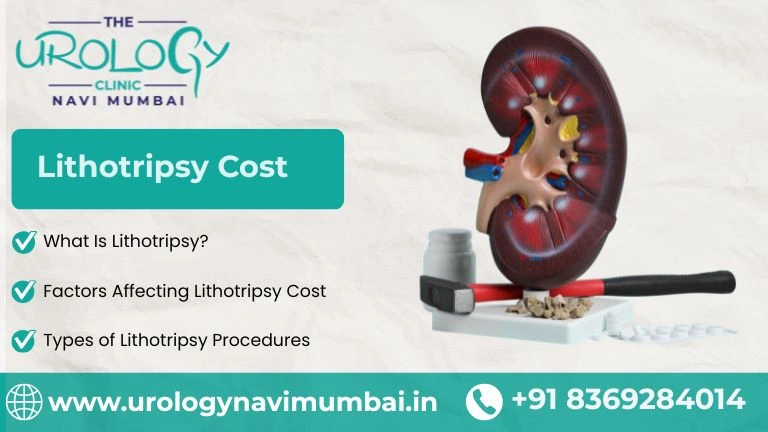
Lithotripsy Cost: What You Should Know Before Treatment
Blogs Book An Apppointment Lithotripsy Cost: What You Should Know Before Treatment Kidney stones can be extremely painful and often disrupt daily life. While some stones may pass on their own, others require medical intervention to prevent complications. One of the commonly recommended treatments is lithotripsy, a procedure that breaks stones into smaller pieces so they can pass more easily. For many patients, one of the first questions that comes up is about the cost involved. Understanding lithotripsy cost and the factors that influence it can help you plan better and avoid surprises later. At The Urology Clinic, the aim is to provide clear, transparent information so you can make confident decisions about your treatment. What Is Lithotripsy? Lithotripsy is a treatment used to break kidney stones into smaller fragments using shock waves or laser technology. These smaller pieces are then passed naturally through the urinary tract over time. It is considered a minimally invasive procedure and is often advised when stones are too large to pass on their own or are causing persistent pain or blockage. Lithotripsy Cost The cost of lithotripsy is not the same for every patient. It can vary depending on the type of procedure and the complexity of the condition. In India, shock wave lithotripsy generally falls in the range of ₹30,000 to ₹50,000. More advanced options like laser lithotripsy may range from ₹50,000 to ₹1,20,000 or higher, depending on the hospital, technology used, and individual case. Factors Affecting Lithotripsy Cost Several factors contribute to the overall cost of lithotripsy. Being aware of these can help you understand why prices may differ from one case to another. Type of Procedure Different methods, such as shock wave lithotripsy (ESWL) or laser lithotripsy, come with different costs. Laser procedures usually involve more advanced equipment, which can increase the price. Size and Location of the Stone Larger or more complex stones may require additional sessions or advanced techniques, which can add to the total cost. Hospital and Facilities Costs may vary based on where the treatment is performed. Hospitals with advanced infrastructure and technology may have higher charges compared to smaller setups. Surgeon’s Expertise The experience and skill of the urologist can also influence the cost. While experienced specialists may charge more, they often provide better precision and outcomes. Additional Medical Expenses Expenses such as diagnostic tests, medications, anesthesia, hospital stay, and follow-up care also contribute to the overall cost. Types of Lithotripsy Procedures Lithotripsy can be performed using different techniques depending on the size and location of the stone. Shock Wave Lithotripsy (ESWL) is a non-invasive method that uses sound waves to break stones. Laser lithotripsy involves inserting a scope and using a laser to break the stone into very fine fragments. In some cases, additional procedures like ureteroscopy may be used along with lithotripsy for better results. The most suitable method is decided after evaluating the patient’s condition. Is Lithotripsy Covered by Insurance? In many situations, lithotripsy is covered under health insurance if it is medically necessary. However, the level of coverage can vary depending on your policy and provider. It is always a good idea to check with your insurance company in advance to understand what is included and what costs you may need to manage on your own. Lithotripsy Cost Concerns? We’ve Got You Covered Consult with professionals to compare hospitals, understand charges, and make informed decision Book An Apppointment Recovery and Aftercare Recovery after lithotripsy is usually quick, especially in non-invasive cases. Most patients are able to return to their routine within a few days. Drinking enough fluids, following medications as prescribed, and attending follow-up appointments are important for proper healing. Some mild discomfort may occur as stone fragments pass, but this typically improves with time. Why Choose The Urology Clinic? At The Urology Clinic, patient care is built on clarity, precision, and trust. Each case is carefully evaluated to recommend the most suitable treatment approach based on individual needs. With experienced specialists and modern technology, patients receive effective care along with clear communication at every step. From diagnosis to recovery, the focus remains on providing safe, reliable, and patient-centered treatment. Conclusion Lithotripsy cost can vary depending on several factors, including the type of procedure, hospital, and individual condition. Having a clear understanding of these aspects helps you plan your treatment more effectively. At The Urology Clinic, the focus is on providing expert care, transparent guidance, and personalized treatment so you can move forward with confidence and peace of mind. FAQs What is the average lithotripsy cost in India? It generally ranges from ₹30,000 to ₹50,000 for basic procedures, while advanced treatments may cost more. Why does lithotripsy cost vary? The cost depends on factors like procedure type, hospital, stone size, and additional medical expenses. Is laser lithotripsy more expensive? Yes, it usually costs more due to advanced technology and precision. Are there extra costs apart from the procedure? Yes, additional costs may include tests, medications, hospital stay, and follow-up care. Can lithotripsy cost increase after treatment? In some cases, additional sessions or complications may increase the overall cost. It generally ranges from ₹30,000 to ₹50,000 for basic procedures, while advanced treatments may cost more. The cost depends on factors like procedure type, hospital, stone size, and additional medical expenses. Yes, it usually costs more due to advanced technology and precision. Yes, additional costs may include tests, medications, hospital stay, and follow-up care. In some cases, additional sessions or complications may increase the overall cost. Free Consultation Book Now Call Now Paritosh Gaikwad Author

Ureteral Reimplantation
Blogs Book An Apppointment Ureteral Reimplantation: What You Should Know Before the Procedure Urinary tract issues can sometimes go beyond discomfort and start affecting kidney health. One such condition happens when urine flows in the wrong direction—from the bladder back toward the kidneys. This can increase the risk of infections and, if left untreated, may lead to long-term damage. In such situations, ureteral reimplantation is often recommended as a reliable surgical solution. Knowing what the procedure involves can make a big difference in how prepared and confident you feel. At The Urology Clinic, the focus is on accurate diagnosis, advanced surgical care, and treatment plans tailored to each patient’s needs. What Is Ureteral Reimplantation? Ureteral reimplantation is a surgical procedure that involves repositioning the ureter, the tube that carries urine from the kidney to the bladder, so that urine flows in the correct direction. Under normal conditions, the ureter connects to the bladder in a way that prevents urine from flowing backward. However, when this mechanism doesn’t work properly, a condition known as vesicoureteral reflux (VUR) can occur. This can lead to repeated infections and potential kidney damage over time. The surgery corrects this by creating a new, properly functioning connection that allows urine to pass safely in one direction. Why Is Ureteral Reimplantation Done? This procedure is usually recommended when urine flow is disrupted or reversed. It is commonly performed in cases of vesicoureteral reflux, ureteral blockage, or structural abnormalities within the urinary tract. If these issues are not treated in time, they can lead to recurring urinary tract infections and may gradually affect kidney function. Ureteral reimplantation helps restore normal flow and reduces the risk of long-term complications. Ureteral Reimplantation Procedure The surgery is performed under anesthesia and typically takes a few hours, depending on the complexity of the condition. It is a well-established procedure with a strong success rate. Accessing the Ureter The surgeon carefully locates the ureter and separates it from its original connection to the bladder. Creating a New Pathway A new tunnel is formed within the bladder wall, allowing the ureter to be repositioned in a way that prevents backward urine flow. Reattaching the Ureter The ureter is then securely reconnected to the bladder in its new position, ensuring proper drainage. Minimally Invasive Options In certain cases, laparoscopic or robotic techniques may be used. These approaches involve smaller incisions and often result in quicker recovery. Completion of Surgery Once the new connection is in place, the bladder is closed, and the procedure is completed with care to ensure proper healing. Benefits of Ureteral Reimplantation One of the key benefits of this procedure is that it effectively stops urine from flowing backward, which helps reduce the risk of infections and protects the kidneys. It is considered a long-term solution, especially for conditions that do not respond well to medication alone. Many patients experience noticeable improvement in symptoms and overall urinary health after the surgery. Recovery and Aftercare Recovery is usually smooth for most patients. A short hospital stay of one to two days is common, depending on the individual case and type of procedure performed. Some mild symptoms, such as discomfort, frequent urination, or slight blood in the urine, may occur during the initial recovery period. These typically improve within a few weeks. Following your doctor’s advice, staying well-hydrated, and attending follow-up visits are important steps to ensure proper healing and avoid complications. Struggling with recurrent urinary problems? Learn your options and speak with a qualified urologist today. Book An Apppointment Risks and Considerations As with any surgery, ureteral reimplantation carries some risks, although serious complications are uncommon. These may include infection, bleeding, urinary leakage, or temporary blockage of the ureter. In rare situations, additional treatment may be required. A thorough evaluation and experienced surgical care play an important role in minimizing these risks. Why Choose The Urology Clinic? At The Urology Clinic, patient care is built on experience, precision, and a personalized approach. Every patient undergoes a detailed assessment to understand the exact cause of their condition before a treatment plan is recommended. The clinic uses advanced surgical techniques, including minimally invasive procedures, to improve outcomes and support faster recovery. With a strong focus on patient comfort and clear communication, individuals are guided at every stage—from diagnosis to post-treatment care—with confidence and support. Conclusion Ureteral reimplantation is a well-established procedure that helps correct urine flow and protect kidney health. When performed at the right time, it can prevent complications and provide long-term relief. At The Urology Clinic, patients receive expert care, advanced treatment options, and ongoing support to ensure a smooth and confident recovery journey. FAQs Is ureteral reimplantation a major surgery? It is a surgical procedure, but it is commonly performed and considered safe when done by experienced specialists. How long does the surgery take? The procedure usually takes between 1 to 3 hours, depending on the complexity. What is the recovery time? Most patients recover within a few weeks, although full healing may vary from person to person. Is ureteral reimplantation a permanent solution? Yes, it is designed to provide a long-term correction of urine flow issues. Are there alternatives to this surgery? In mild cases, medication or monitoring may be considered, but surgery is often recommended for more severe or persistent conditions. It is a surgical procedure, but it is commonly performed and considered safe when done by experienced specialists. The procedure usually takes between 1 to 3 hours, depending on the complexity. Most patients recover within a few weeks, although full healing may vary from person to person. Yes, it is designed to provide a long-term correction of urine flow issues. In mild cases, medication or monitoring may be considered, but surgery is often recommended for more severe or persistent conditions. Free Consultation Book Now Call Now Paritosh Gaikwad Author