

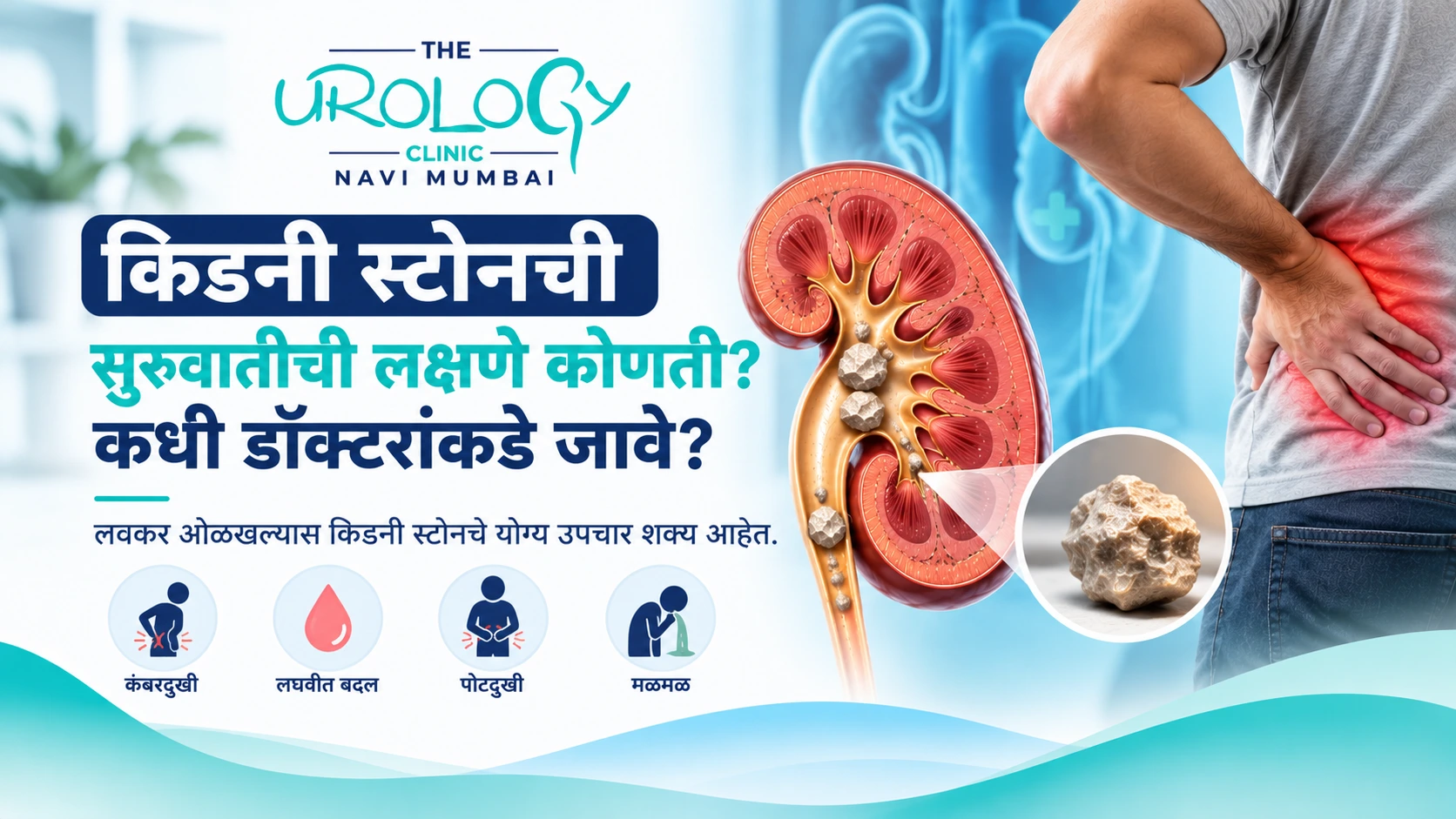
Blogs Book An Apppointment किडनी स्टोनची सुरुवातीची लक्षणे कोणती? कधी डॉक्टरांकडे जावे? किडनी स्टोन म्हणजेच मूत्रपिंडातील खडे ही मूत्रसंस्थेशी संबंधित एक सामान्य समस्या आहे. लघवीमध्ये असलेली काही खनिजे आणि क्षार एकत्र जमा होऊन लहान किंवा मोठे खडे तयार होऊ शकतात. काही खडे कोणतीही लक्षणे न दाखवता लघवीतून बाहेर पडतात, तर काही खडे तीव्र वेदना, लघवी करताना त्रास किंवा इतर समस्या निर्माण करू शकतात. किडनी स्टोनची सुरुवातीची लक्षणे कोणती? कधी डॉक्टरांकडे जावे? हे समजून घेतल्यास योग्य वेळी तपासणी करून गुंतागुंत होण्याचा धोका कमी करण्यास मदत मिळते. किडनी स्टोनची लक्षणे प्रत्येक व्यक्तीमध्ये सारखी असतीलच असे नाही. काही वेळा खडा मूत्रपिंडात असताना त्रास जाणवत नाही; परंतु तो मूत्रवाहिनीत सरकला की वेदना सुरू होऊ शकतात. त्यामुळे लक्षणांकडे दुर्लक्ष न करता त्यांचे कारण समजून घेणे महत्त्वाचे आहे. किडनी स्टोन म्हणजे काय? किडनी स्टोन म्हणजे मूत्रपिंडात तयार होणारे कठीण खनिजांचे किंवा क्षारांचे साठे. शरीरात पाण्याचे प्रमाण कमी झाल्यास लघवी अधिक दाट होऊ शकते. त्यामुळे कॅल्शियम, ऑक्सलेट आणि यूरिक ॲसिड यांसारखे घटक एकत्र येऊन खडे तयार होण्याची शक्यता वाढते. खड्यांचा आकार काही मिलिमीटरपासून मोठ्या आकारापर्यंत असू शकतो. लहान खडे अनेकदा स्वतःहून लघवीतून बाहेर पडू शकतात. मात्र, खडा मूत्रवाहिनीत अडकल्यास लघवीच्या प्रवाहात अडथळा निर्माण होऊन वेदना आणि इतर लक्षणे दिसू शकतात. किडनी स्टोनचे वेगवेगळे प्रकार असतात. कॅल्शियम स्टोन, यूरिक ॲसिड स्टोन आणि काही वेळा संसर्गाशी संबंधित खडे आढळू शकतात. खड्याचा प्रकार समजल्यास भविष्यात पुन्हा खडे तयार होण्याचा धोका कमी करण्यासाठी योग्य आहार आणि प्रतिबंधात्मक उपाय ठरवता येतात. किडनी स्टोनची सुरुवातीची लक्षणे कोणती? किडनी स्टोनची लक्षणे खड्याचा आकार, त्याचे स्थान आणि लघवीच्या प्रवाहावर होणारा परिणाम यावर अवलंबून असतात. सुरुवातीला काही व्यक्तींना कोणतीही लक्षणे जाणवत नाहीत. परंतु खडा हलू लागल्यावर किंवा मूत्रवाहिनीत अडकल्यावर वेदना आणि लघवीशी संबंधित त्रास जाणवू शकतो. 1. पाठीत किंवा कंबरेच्या एका बाजूला वेदना किडनी स्टोनचे एक महत्त्वाचे लक्षण म्हणजे पाठीत, कंबरेत किंवा बरगड्यांच्या खाली एका बाजूला वेदना होणे. खडा मूत्रवाहिनीत अडकल्यास वेदना अचानक सुरू होऊ शकतात आणि पोटाच्या खालच्या भागापर्यंत किंवा जांघेच्या दिशेने पसरू शकतात. वेदना काही वेळा कमी-जास्त होत राहतात आणि त्यांची तीव्रता खड्याच्या स्थानानुसार बदलू शकते. काही व्यक्तींना वेदना इतक्या तीव्र होतात की त्यांना एका जागी शांत बसणे कठीण जाते. मात्र, प्रत्येक प्रकारची कंबरदुखी किडनी स्टोनमुळेच होते असे नाही. स्नायूंचा ताण किंवा मणक्यांशी संबंधित समस्यांमुळेही कंबरदुखी होऊ शकते. त्यामुळे वेदना वारंवार होत असल्यास वैद्यकीय तपासणी करणे योग्य ठरते. 2. लघवी करताना जळजळ किंवा वारंवार लघवी होणे खडा मूत्रवाहिनीच्या खालच्या भागात किंवा मूत्राशयाजवळ असल्यास वारंवार लघवीची इच्छा होणे, लघवी करताना जळजळ होणे किंवा लघवी करताना अस्वस्थता जाणवणे अशी लक्षणे दिसू शकतात. काही वेळा लघवी पूर्णपणे झाली नाही असेही वाटू शकते. मात्र, ही लक्षणे मूत्रमार्गाच्या संसर्गामुळेही होऊ शकतात. लघवीला दुर्गंधी येणे, ढगाळ लघवी होणे किंवा ताप येणे अशी इतर लक्षणेही असल्यास संसर्गाची शक्यता तपासणे महत्त्वाचे असते. केवळ लक्षणांवरून किडनी स्टोन आणि मूत्रमार्गाचा संसर्ग यांमध्ये फरक करता येत नाही. 3. लघवीत रक्त दिसणे किंवा रंग बदलणे किडनी स्टोनमुळे मूत्रमार्गाच्या आतील भागाला इजा किंवा घर्षण होऊ शकते. त्यामुळे लघवी गुलाबी, लालसर किंवा तपकिरी दिसू शकते. काही वेळा रक्त फक्त लघवीच्या तपासणीत आढळते आणि बाहेरून दिसत नाही. लघवीच्या रंगात बदल झाल्यास त्याकडे दुर्लक्ष करू नये. किडनी स्टोनशिवाय संसर्ग किंवा इतर मूत्रविकारांमुळेही लघवीत रक्त येऊ शकते. त्यामुळे डॉक्टरांच्या सल्ल्यानुसार तपासणी करून नेमके कारण शोधणे आवश्यक आहे. 4. मळमळ आणि उलट्या होणे किडनी स्टोनमुळे तीव्र वेदना होत असताना काही व्यक्तींना मळमळ किंवा उलट्या होऊ शकतात. वेदना आणि शरीराची प्रतिक्रिया यामुळे पचनसंस्थेशी संबंधित त्रासही जाणवू शकतो. उलट्या वारंवार होत असल्यास शरीरातील पाणी कमी होण्याचा धोका वाढतो. अशा वेळी स्वतःहून उपचार करण्याऐवजी वैद्यकीय मदत घ्यावी, विशेषतः पाणी पोटात राहत नसेल किंवा वेदना तीव्र असतील तर. किडनी स्टोन होण्याची प्रमुख कारणे कोणती? किडनी स्टोन तयार होण्यामागे अनेक कारणे असू शकतात. पुरेसे पाणी न पिणे, शरीरातून जास्त घाम जाणे आणि लघवीचे प्रमाण कमी होणे यामुळे खडे तयार होण्याचा धोका वाढू शकतो. काही व्यक्तींमध्ये आहारातील मीठाचे जास्त प्रमाण आणि विशिष्ट खनिजांचे असंतुलन यांचाही परिणाम होऊ शकतो. कुटुंबात किडनी स्टोनचा इतिहास असणे, यापूर्वी खडे झालेले असणे, लठ्ठपणा आणि काही चयापचयाशी संबंधित विकार यांमुळेही धोका वाढू शकतो. काही औषधे आणि विशिष्ट वैद्यकीय स्थिती किडनी स्टोन तयार होण्यास कारणीभूत ठरू शकतात. प्रत्येक व्यक्तीमध्ये कारण वेगळे असू शकते, त्यामुळे वारंवार खडे होणाऱ्या रुग्णांमध्ये त्यांचा प्रकार आणि संभाव्य कारणे तपासणे महत्त्वाचे असते. उष्ण हवामानात काम करणाऱ्या किंवा व्यायामामुळे जास्त घाम येणाऱ्या व्यक्तींनी शरीरातील पाण्याची कमतरता होऊ देऊ नये. त्याचबरोबर आहारातील मीठ कमी ठेवणे आणि संतुलित आहार घेणे उपयुक्त ठरू शकते. मात्र, खड्याचा प्रकार माहीत नसताना स्वतःहून कठोर आहारनियम पाळणे योग्य नाही. किडनी स्टोनची तपासणी कशी केली जाते? किडनी स्टोनचा संशय आल्यास डॉक्टर रुग्णाची लक्षणे, वैद्यकीय इतिहास आणि शारीरिक तपासणी यांच्या आधारे पुढील तपासण्या सुचवू शकतात. वेदना कुठे होतात, किती वेळ टिकतात, लघवीत बदल झाला आहे का आणि यापूर्वी खडे झाले आहेत का, याची माहिती निदानासाठी उपयोगी ठरते. लघवीच्या तपासणीमुळे रक्त, संसर्ग किंवा खडे तयार होण्याशी संबंधित काही घटकांची माहिती मिळू शकते. रक्ताच्या तपासणीमुळे किडनीचे कार्य आणि काही खनिजांचे प्रमाण तपासता येते. अल्ट्रासाऊंडद्वारे किडनी आणि मूत्रमार्गातील काही खडे तसेच लघवीच्या प्रवाहातील अडथळे दिसू शकतात. आवश्यकतेनुसार नॉन-कॉन्ट्रास्ट CT स्कॅनसारखी तपासणी केली जाऊ शकते. प्रत्येक रुग्णासाठी सर्व तपासण्या आवश्यक नसतात. वय, लक्षणांची तीव्रता आणि वैद्यकीय स्थिती यांनुसार योग्य तपासणी निवडली जाते. खडा बाहेर पडल्यास डॉक्टर त्याचे विश्लेषण करण्याचा सल्ला देऊ शकतात. विशेषतः वारंवार किडनी स्टोन होणाऱ्या व्यक्तींमध्ये ही माहिती पुढील उपचार आणि प्रतिबंधात्मक उपाय ठरवण्यासाठी मदत करू शकते. किडनी स्टोनची लक्षणे दिसल्यास योग्य तपासणी आणि उपचारांसाठी डॉक्टरांचा सल्ला घ्या. Learn More किडनी स्टोनवर उपचार कसे केले जातात? किडनी स्टोनचा उपचार खड्याचा आकार, स्थान, वेदनांची तीव्रता, संसर्गाची उपस्थिती आणि किडनीच्या कार्यावर अवलंबून असतो. लहान खडे स्वतःहून बाहेर पडण्याची शक्यता असते. अशा वेळी डॉक्टर वेदना कमी करण्यासाठी औषधे, योग्य प्रमाणात द्रवपदार्थ आणि आवश्यक फॉलो-अपची शिफारस करू शकतात. खडे बाहेर पडण्यासाठी किती वेळ लागेल हे प्रत्येक रुग्णामध्ये वेगळे असू शकते. खडा बाहेर पडला आहे असे वाटले तरी लक्षणे टिकून राहिल्यास किंवा पुन्हा सुरू झाल्यास वैद्यकीय तपासणी आवश्यक आहे. डॉक्टरांच्या सल्ल्याशिवाय औषधे घेणे किंवा घरगुती उपायांवरच अवलंबून राहणे टाळावे. मोठे खडे, सतत वेदना किंवा लघवीच्या प्रवाहात अडथळा निर्माण करणाऱ्या खड्यांसाठी अतिरिक्त उपचारांची आवश्यकता असू शकते. काही रुग्णांमध्ये शॉक वेव्ह लिथोट्रिप्सी (SWL), युरेटेरोस्कोपी किंवा इतर शस्त्रक्रियात्मक पद्धती वापरल्या जातात. उपचाराची निवड खड्याचा आकार, स्थान आणि रुग्णाच्या एकूण आरोग्यानुसार केली जाते. खड्यासोबत ताप किंवा संसर्गामुळे लघवीचा अडथळा निर्माण झाल्यास ही गंभीर परिस्थिती असू शकते. अशा वेळी तातडीने वैद्यकीय उपचार आवश्यक असतात. वेळेवर उपचार केल्याने संसर्ग आणि किडनीच्या कार्यावर होणाऱ्या
Burning Sensation While Urinating
Blogs Book An Apppointment Burning Sensation While Urinating: Causes, Risks and When to See a Doctor A burning sensation while passing urine can be uncomfortable and may make you worry about your urinary health. It can happen because of a urinary tract infection (UTI), irritation around the urinary opening, dehydration or other medical conditions. Sometimes, the discomfort lasts only briefly, but persistent or recurring symptoms should not be ignored. The cause of burning sensation while urinating cannot be confirmed from the symptom alone. Paying attention to other signs, such as frequent urination, lower abdominal pain, unusual discharge or fever, can help a healthcare professional decide which tests may be needed. Early assessment is particularly important when symptoms are severe or accompanied by signs of infection. What Causes a Burning Sensation While Urinating? 1. Urinary Tract Infection (UTI) A UTI occurs when bacteria enter and multiply in parts of the urinary system. It is a common cause of painful or burning urination. Other symptoms may include needing to urinate more frequently, feeling an urgent need to pass urine, lower abdominal discomfort or cloudy urine. Some people may notice blood in their urine. UTIs are more common in women, but men can also develop them. If an infection spreads to the kidneys, it may cause fever, chills, pain in the side or back, nausea or vomiting. A suspected UTI may require a urine test and, in some cases, a urine culture. Antibiotics may be prescribed when a bacterial infection is confirmed or strongly suspected. 2. Dehydration and Local Irritation Not drinking enough fluids can make urine more concentrated, which may contribute to discomfort during urination in some people. However, dehydration alone should not be assumed to be the cause of persistent burning. Certain soaps, intimate hygiene products, fragrances or other chemicals can irritate sensitive skin around the genital area and cause stinging. Drinking adequate water may help if you are dehydrated, unless a healthcare professional has advised you to restrict fluids. Avoid products that appear to trigger irritation and do not use harsh cleansers on the genital area. If the burning continues, seek medical advice rather than relying on hydration or home remedies alone. 3. Sexually Transmitted Infections (STIs) Some sexually transmitted infections, including chlamydia and gonorrhoea, can cause burning during urination. Other possible signs include unusual genital discharge, pelvic discomfort, testicular pain or bleeding between periods. However, STIs can also occur without noticeable symptoms. If an STI is possible, appropriate testing is important because treatment differs from that used for other causes of urinary discomfort. Avoid self-medicating with leftover antibiotics. A healthcare professional can advise on testing, treatment and whether sexual partners also need evaluation. Take the next step towards better urinary health with timely medical guidance from Urology Navi Mumbai. Learn More Other Conditions That Can Cause Painful Urination Burning during urination is not always caused by an infection. Kidney or bladder stones may cause pain, blood in the urine, discomfort in the side or back, or difficulty passing urine. Stones may also cause severe pain that comes in waves. In men, inflammation of the prostate, known as prostatitis, may cause painful urination, difficulty starting the urine stream, pelvic discomfort or fever. Vaginal dryness and inflammation around the genital area can also cause stinging, particularly during or after urination. Less commonly, narrowing of the urethra or other urinary tract conditions may contribute to symptoms. Because these conditions require different approaches, it is important not to assume that every episode of burning needs the same treatment. A proper assessment helps identify the likely cause. Who Is at Higher Risk of Urinary Problems? Some people have a greater chance of developing urinary tract infections or other urinary conditions. Risk factors can include previous UTIs, kidney or bladder stones, diabetes, urinary tract abnormalities and difficulty emptying the bladder completely. Pregnancy can also increase the risk of urinary complications, making timely assessment important when symptoms occur. Sexual activity and certain contraceptive methods may increase the risk of UTIs in some women. Men with prostate-related problems may experience difficulty emptying the bladder, which can contribute to urinary issues. These risk factors do not necessarily mean that an infection is present, but they may influence the need for testing and follow-up. How Is Burning During Urination Diagnosed? A healthcare professional may ask when the symptoms began, whether they occur every time you urinate, and whether you have fever, abdominal pain, discharge or changes in urine colour. Your medical history, current medicines and previous urinary infections may also be relevant. A urine routine examination can look for signs of inflammation, blood or other abnormalities. A urine culture may be recommended to identify bacteria and help determine which antibiotics are suitable. If an STI is suspected, specific urine or swab tests may be needed. Imaging or other investigations may be considered when stones, blockage or recurrent infections are suspected. Not everyone needs every test. The choice depends on symptoms, examination findings, age, pregnancy status and other risk factors. What Is the Treatment for Burning Urination? Treatment depends on the underlying cause. A bacterial UTI may require prescribed antibiotics, while an STI needs testing and condition-specific treatment. Completing antibiotics exactly as directed is important, and medication should not be shared or taken without appropriate medical guidance. If irritation is caused by a hygiene product, stopping the suspected trigger may help. Stone-related symptoms may require pain management, monitoring or a procedure, depending on the stone’s size and location. Prostate or other urinary conditions may need specific treatment based on the diagnosis. Drink fluids according to your needs and any medical advice you have received. Avoid delaying medical assessment when symptoms persist, return frequently or worsen. Pain relief may reduce discomfort, but it does not necessarily treat the underlying cause. When Should You See a Doctor? Arrange a medical assessment if the burning persists, returns repeatedly or occurs alongside frequent urination, unusual discharge, lower abdominal pain or blood in the urine. Seek advice promptly if you are pregnant, have diabetes,
पेशाब करते समय जलन क्यों होती है? UTI या कोई दूसरी समस्या?
Blogs Book An Apppointment पेशाब करते समय जलन क्यों होती है? UTI या कोई दूसरी समस्या? पेशाब करते समय जलन, चुभन या दर्द महसूस होना एक आम समस्या है, लेकिन इसके पीछे कई कारण हो सकते हैं। कुछ मामलों में यह यूरिनरी ट्रैक्ट इन्फेक्शन (UTI) का संकेत होता है, जबकि अन्य स्थितियों में शरीर में पानी की कमी, किडनी या मूत्राशय की पथरी, त्वचा में जलन या यौन संक्रमण इसकी वजह बन सकते हैं। पेशाब करते समय जलन क्यों होती है? UTI या कोई दूसरी समस्या? इसका सही जवाब लक्षणों, मेडिकल हिस्ट्री और जरूरी जांच पर निर्भर करता है। यदि जलन लगातार बनी रहे या इसके साथ बुखार, खून या तेज दर्द हो, तो इसे नजरअंदाज नहीं करना चाहिए। पेशाब करते समय जलन क्या होती है? पेशाब करते समय दर्द या जलन महसूस होने की स्थिति को मेडिकल भाषा में डिस्यूरिया (Dysuria) कहा जाता है। यह मूत्र मार्ग, मूत्राशय या आसपास के ऊतकों में संक्रमण, सूजन या जलन के कारण हो सकती है। कुछ लोगों को पेशाब शुरू करते समय जलन होती है, जबकि कुछ को पूरे समय दर्द या चुभन महसूस होती है। इसके साथ बार-बार पेशाब आने, अचानक पेशाब की इच्छा होने या पेशाब करने के बाद भी मूत्राशय खाली न होने जैसा महसूस हो सकता है। लक्षणों का सही कारण जानना जरूरी है, क्योंकि हर स्थिति में एंटीबायोटिक्स की आवश्यकता नहीं होती। पेशाब करते समय जलन होने के प्रमुख कारण क्या हैं? पेशाब में जलन का सबसे आम कारण मूत्र मार्ग का संक्रमण हो सकता है। हालांकि, इसके अलावा भी कई स्थितियां इस समस्या को जन्म दे सकती हैं। पेशाब में जलन लगातार बनी रहने पर समय पर जांच कराएं और उचित उपचार के लिए चिकित्सकीय मार्गदर्शन लें। Learn More 1. यूरिनरी ट्रैक्ट इन्फेक्शन (UTI) UTI तब होता है जब बैक्टीरिया मूत्र मार्ग में प्रवेश करके संक्रमण पैदा करते हैं। यह संक्रमण मूत्राशय को प्रभावित कर सकता है और कुछ मामलों में किडनी तक पहुंच सकता है। पेशाब में जलन, बार-बार पेशाब आना, अचानक पेशाब की इच्छा होना और पेट के निचले हिस्से में असहजता इसके सामान्य लक्षण हैं। पेशाब में बदबू या धुंधलापन भी दिखाई दे सकता है, लेकिन केवल इन संकेतों से संक्रमण की पुष्टि नहीं होती। 2. शरीर में पानी की कमी पर्याप्त पानी न पीने पर पेशाब अधिक गाढ़ा हो सकता है, जिससे कुछ लोगों को जलन महसूस होती है। हालांकि, पेशाब में जलन होने पर इसे केवल पानी की कमी मानना सही नहीं है। यदि जलन बनी रहती है, तो संक्रमण या दूसरी समस्या की जांच जरूरी हो सकती है। 3. किडनी या मूत्राशय की पथरी किडनी या मूत्र मार्ग में पथरी होने पर दर्द, पेशाब में खून और कभी-कभी पेशाब करते समय जलन हो सकती है। दर्द पीठ या कमर के एक तरफ से पेट के निचले हिस्से तक फैल सकता है। यदि पथरी के साथ बुखार या कंपकंपी हो, तो तुरंत चिकित्सा सहायता लेनी चाहिए। UTI और दूसरी समस्याओं में अंतर कैसे पहचानें? UTI में अक्सर जलन के साथ बार-बार पेशाब आना और पेशाब की अचानक इच्छा होना देखा जाता है। यदि संक्रमण किडनी तक पहुंच जाए, तो बुखार, कंपकंपी, पीठ या कमर के एक तरफ दर्द और मतली जैसे लक्षण भी हो सकते हैं। इसके विपरीत, पथरी में तेज या लहरों की तरह आने वाला दर्द और पेशाब में खून दिखाई दे सकता है। महिलाओं में मेनोपॉज के बाद हार्मोन में बदलाव से योनि और मूत्र मार्ग के आसपास सूखापन या जलन हो सकती है। साबुन, सुगंधित उत्पादों या कुछ व्यक्तिगत देखभाल उत्पादों से होने वाली जलन भी पेशाब करते समय दर्द पैदा कर सकती है। कुछ यौन संचारित संक्रमणों (STIs) में भी पेशाब में जलन, असामान्य स्राव या जननांगों में परेशानी हो सकती है। केवल लक्षणों से इन सभी स्थितियों में अंतर करना संभव नहीं है, इसलिए जरूरत के अनुसार जांच कराना महत्वपूर्ण है। पेशाब में जलन होने पर कौन सी जांच की जाती है? डॉक्टर लक्षणों की अवधि, पेशाब की आदतों, पहले हुए संक्रमण और अन्य स्वास्थ्य समस्याओं के बारे में जानकारी लेते हैं। जरूरत के अनुसार यूरिन रूटीन टेस्ट और यूरिन कल्चर कराया जा सकता है। यूरिन कल्चर से संक्रमण पैदा करने वाले बैक्टीरिया की पहचान करने और उपयुक्त एंटीबायोटिक चुनने में मदद मिल सकती है। यदि पथरी या मूत्र मार्ग में किसी अन्य समस्या का संदेह हो, तो अल्ट्रासाउंड या अन्य इमेजिंग जांच की सलाह दी जा सकती है। यौन संक्रमण की आशंका होने पर संबंधित टेस्ट किए जा सकते हैं। हर मरीज को सभी जांचों की जरूरत नहीं होती; जांच का चयन लक्षणों और चिकित्सकीय मूल्यांकन के अनुसार किया जाता है। पेशाब करते समय जलन का इलाज कैसे होता है? इलाज जलन के वास्तविक कारण पर निर्भर करता है। यदि बैक्टीरियल UTI की पुष्टि होती है या डॉक्टर को संक्रमण का पर्याप्त संदेह होता है, तो स्थिति के अनुसार एंटीबायोटिक्स दिए जा सकते हैं। दवा का चयन मरीज की उम्र, स्वास्थ्य, संक्रमण की गंभीरता और जरूरत पड़ने पर कल्चर रिपोर्ट के आधार पर किया जाता है। यदि जलन शरीर में पानी की कमी के कारण हो, तो पर्याप्त तरल पदार्थ लेना मददगार हो सकता है, बशर्ते किसी अन्य बीमारी के कारण तरल पदार्थ सीमित करने की सलाह न दी गई हो। पथरी, त्वचा की जलन, हार्मोन संबंधी बदलाव या यौन संक्रमण होने पर अलग उपचार की जरूरत हो सकती है। बिना चिकित्सकीय सलाह के एंटीबायोटिक्स लेना या बची हुई पुरानी दवाओं का इस्तेमाल करना उचित नहीं है। पेशाब में जलन से बचाव कैसे करें? मूत्र मार्ग को स्वस्थ रखने के लिए पर्याप्त पानी पिएं, पेशाब को लंबे समय तक रोकने से बचें और व्यक्तिगत स्वच्छता बनाए रखें। जननांगों के आसपास सुगंधित साबुन या ऐसे उत्पादों का उपयोग न करें जो जलन पैदा करते हों। महिलाओं में शौचालय के बाद आगे से पीछे की ओर सफाई करना उपयोगी हो सकता है। यौन संक्रमण के जोखिम को कम करने के लिए सुरक्षित यौन व्यवहार अपनाएं। यदि UTI बार-बार होता है, तो डॉक्टर से इसके संभावित कारणों और बचाव के तरीकों पर चर्चा करें। क्रैनबेरी उत्पाद कुछ लोगों में बार-बार होने वाले UTI के जोखिम को कम करने में मदद कर सकते हैं, लेकिन वे मौजूदा
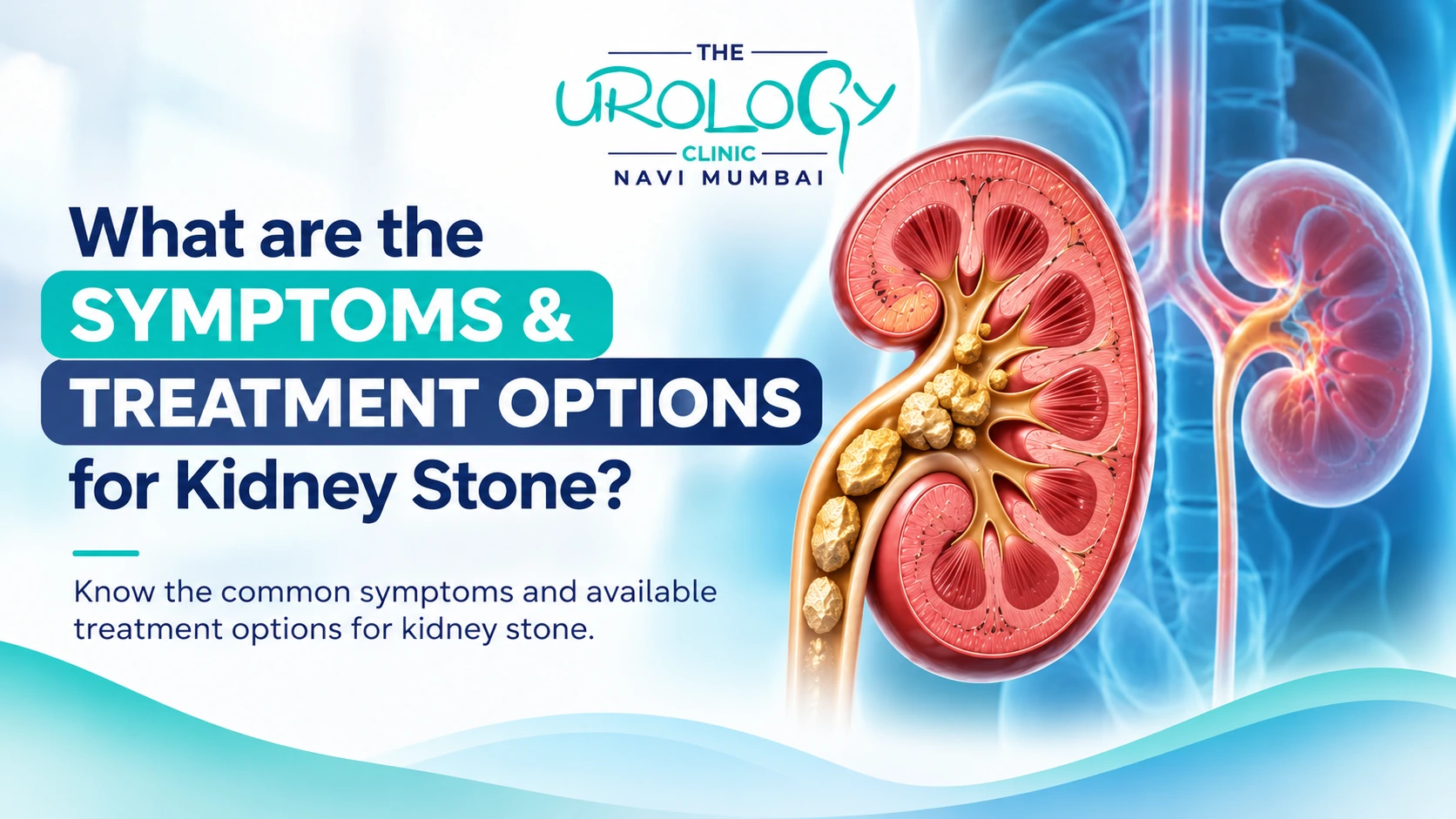
What Are the Symptoms and Treatment Options for Kidney Stones?
Blogs Book An Apppointment What Are the Symptoms and Treatment Options for Kidney Stones? Kidney stones are hard deposits of minerals and salts that form inside the kidneys. They can vary in size, from tiny crystals that pass unnoticed to larger stones that block the flow of urine and cause severe pain. Some people may not experience symptoms initially, while others develop sudden discomfort that needs medical attention. If you are wondering what are the symptoms & treatment options for kidney stone, the answer depends on the stone’s size, location and whether it is causing a blockage or infection. Early diagnosis can help determine whether the stone may pass naturally or requires a medical procedure. What Are the Common Symptoms of Kidney Stones? Kidney stone symptoms can vary depending on where the stone is located and whether it obstructs the urinary tract. Small stones may pass without noticeable discomfort, but a stone that moves into the ureter the tube connecting the kidney to the bladder—can cause significant pain. One of the most common symptoms is sharp pain in the side or back, which may spread towards the lower abdomen or groin. The pain can come in waves and change in intensity. Some people also experience nausea, vomiting, frequent urination or pain while passing urine. Blood in the urine may make it look pink, red or brown. Urine may also appear cloudy or have an unusual smell, particularly if an infection is present. These symptoms can occur with other urinary conditions, so a medical assessment is important to confirm the cause. What Causes Kidney Stones? Kidney stones develop when certain minerals and substances become concentrated in the urine and form crystals. These crystals can gradually grow into stones. Not drinking enough fluids may increase the concentration of minerals in urine and raise the risk of stone formation. Other contributing factors include a family history of kidney stones, previous stones, certain metabolic conditions, recurrent urinary infections and some medicines. Dietary factors, such as excessive salt intake, may also increase risk in susceptible individuals. The causes differ depending on the type of stone, so identifying its composition can help guide prevention. How Are Kidney Stones Diagnosed? A healthcare professional may review your symptoms, medical history and previous episodes of kidney stones before recommending tests. A urine test can check for blood, signs of infection and substances associated with stone formation. Blood tests may assess kidney function and mineral levels. Imaging tests help identify the stone’s size, location and possible blockage. An ultrasound may be used in selected situations, while a CT scan is often recommended for adults with suspected kidney stones when appropriate. The choice of imaging depends on factors such as age, pregnancy status and clinical findings. Get timely guidance on kidney stone symptoms and treatment options from the team at Urology Navi Mumbai. Learn More What Are the Treatment Options for Kidney Stones? Treatment depends on the stone’s size, location, symptoms and whether it is causing an obstruction or infection. Some small stones can pass through the urinary tract without a procedure, while larger or complicated stones may need active treatment. 1. Medication and Monitoring Small stones may pass naturally with suitable pain relief and medical monitoring. A healthcare professional may recommend medicines to control pain or nausea and, in selected cases, medication that helps a ureteric stone pass. Follow the prescribed dosage and instructions rather than taking medicines on your own. Adequate fluid intake may support stone passage, but forcing large amounts of water will not reliably push a blocked stone out. If you have severe pain, repeated vomiting, reduced urine output or signs of infection, do not rely on home care alone. Follow-up may be needed to confirm that the stone has passed and that urine flow is normal. 2. Extracorporeal Shock Wave Lithotripsy (ESWL) ESWL uses shock waves directed from outside the body to break a kidney stone into smaller pieces. These fragments can then pass through the urinary tract. It may be suitable for selected stones depending on their size, location, hardness and other clinical factors. ESWL does not work equally well for every stone, and some patients may need another procedure if fragments remain or the stone does not break adequately. The urologist will assess the expected benefits, risks and suitability before recommending this option. 3. Ureteroscopy and Laser Treatment Ureteroscopy involves passing a thin instrument through the urinary passage to locate a stone in the ureter or kidney. A laser may be used to break the stone into smaller pieces, which can then be removed or allowed to pass. A temporary ureteric stent may be placed to help urine drain after the procedure. This option may be recommended for stones that are unlikely to pass naturally or when other treatments are unsuitable or unsuccessful. The recovery process and need for follow-up depend on the stone and the procedure performed. When Is Surgery Needed for Kidney Stones? Larger stones, stones causing persistent blockage, and stones associated with infection or impaired kidney function may require a more involved procedure. Percutaneous nephrolithotomy (PCNL) is one option for selected large or complex kidney stones. It involves accessing the kidney through a small incision in the back to remove the stone, sometimes after breaking it into smaller pieces. A blocked urinary system with infection can be a medical emergency. It may require urgent drainage and treatment of the infection before definitive stone removal. The appropriate procedure depends on the clinical situation, imaging findings and overall health of the patient. How Can You Reduce the Risk of Kidney Stones? Drinking enough water throughout the day can help dilute urine and reduce the risk of many types of stones. The amount of fluid needed varies with climate, physical activity and individual health. People with certain heart or kidney conditions may need specific fluid advice from their healthcare provider. Reducing excess salt, maintaining a balanced diet and following personalised dietary advice may also help prevent recurrence. Do not eliminate calcium-rich foods without
लिवर में सूजन के लक्षण क्या हैं? कारण, इलाज, बचाव और घरेलू उपाय
Blogs Book An Apppointment लिवर में सूजन के लक्षण क्या हैं? कारण, इलाज, बचाव और घरेलू उपाय लिवर हमारे शरीर का एक महत्वपूर्ण अंग है, जो भोजन से मिलने वाले पोषक तत्वों को प्रोसेस करने, पित्त बनाने और शरीर से हानिकारक पदार्थों को हटाने में मदद करता है। जब लिवर का आकार सामान्य से बढ़ जाता है, तो इस स्थिति को हेपेटोमेगाली (Hepatomegaly) कहा जाता है। यह अपने आप में कोई बीमारी नहीं, बल्कि किसी अंतर्निहित स्वास्थ्य समस्या का संकेत हो सकता है। लिवर में सूजन के लक्षण क्या हैं? कारण, इलाज, बचाव और घरेलू उपाय जानने से शुरुआती संकेत पहचानने और सही समय पर चिकित्सकीय सहायता लेने में मदद मिल सकती है। लिवर में सूजन क्या होती है? लिवर में सूजन या उसका आकार बढ़ना कई कारणों से हो सकता है। फैटी लिवर, वायरल हेपेटाइटिस, शराब से होने वाली लिवर की बीमारी और कुछ अन्य स्वास्थ्य समस्याएं इसके पीछे हो सकती हैं। कुछ मामलों में हृदय संबंधी समस्याएं भी लिवर के आकार को बढ़ा सकती हैं। हर व्यक्ति में इसके लक्षण दिखाई दें, यह जरूरी नहीं है। कई बार नियमित स्वास्थ्य जांच या किसी दूसरी समस्या के लिए किए गए अल्ट्रासाउंड के दौरान इसका पता चलता है। इसलिए केवल लक्षणों के आधार पर लिवर में सूजन की पुष्टि नहीं की जा सकती। लिवर में सूजन के लक्षण क्या हैं? लिवर में सूजन के लक्षण उसके कारण और गंभीरता के अनुसार अलग-अलग हो सकते हैं। कुछ लोगों को पेट के ऊपरी दाहिने हिस्से में दर्द, भारीपन या असहजता महसूस हो सकती है। लगातार थकान, कमजोरी, भूख कम लगना और मतली भी कुछ संबंधित बीमारियों में दिखाई दे सकती है। यदि लिवर की कार्यक्षमता प्रभावित होती है, तो त्वचा और आंखों में पीलापन, पेशाब का गहरा रंग, पैरों में सूजन या पेट में तरल पदार्थ जमा होने जैसे लक्षण हो सकते हैं। हालांकि, ये लक्षण दूसरी बीमारियों के कारण भी हो सकते हैं। इसलिए इनकी सही वजह जानने के लिए जांच जरूरी है। लिवर में सूजन होने के प्रमुख कारण लिवर में सूजन के कई संभावित कारण हैं। मोटापा, टाइप 2 डायबिटीज, बढ़ा हुआ कोलेस्ट्रॉल और शरीर में अतिरिक्त चर्बी जमा होना फैटी लिवर की समस्या से जुड़े हो सकते हैं। लंबे समय तक अधिक मात्रा में शराब पीने से भी लिवर को नुकसान पहुंच सकता है। हेपेटाइटिस A, B और C जैसे वायरल संक्रमण लिवर को प्रभावित कर सकते हैं। इसके अलावा, कुछ दवाओं का दुष्प्रभाव, ऑटोइम्यून बीमारियां और पित्त नलिकाओं से जुड़ी समस्याएं भी लिवर को प्रभावित कर सकती हैं। कभी-कभी हृदय की कुछ बीमारियों के कारण भी लिवर में रक्त जमा होने से उसका आकार बढ़ सकता है। कारण की पहचान महत्वपूर्ण है, क्योंकि हर प्रकार की लिवर समस्या का इलाज एक जैसा नहीं होता। लिवर से जुड़े लक्षण बने रहने पर समय पर जांच कराएं और उचित उपचार के लिए चिकित्सकीय मार्गदर्शन लें। Learn More लिवर में सूजन का पता कैसे लगाया जाता है? लिवर में सूजन की जांच के लिए डॉक्टर मरीज के लक्षणों, मेडिकल हिस्ट्री, शराब के सेवन, दवाओं और अन्य स्वास्थ्य स्थितियों के बारे में जानकारी लेते हैं। पेट की शारीरिक जांच के बाद जरूरत के अनुसार ब्लड टेस्ट और इमेजिंग जांच की सलाह दी जा सकती है। लिवर फंक्शन टेस्ट (LFT) से लिवर से संबंधित कुछ एंजाइम और अन्य संकेतकों का मूल्यांकन किया जाता है। अल्ट्रासाउंड से लिवर का आकार और फैट जमा होने जैसे बदलाव देखे जा सकते हैं। कुछ मामलों में हेपेटाइटिस की जांच, अन्य इमेजिंग टेस्ट या लिवर बायोप्सी की आवश्यकता हो सकती है। जांच का चयन संभावित कारण के आधार पर किया जाता है। लिवर में सूजन का इलाज कैसे होता है? लिवर में सूजन का उपचार उसके मूल कारण पर निर्भर करता है। यदि समस्या फैटी लिवर और अतिरिक्त वजन से जुड़ी है, तो संतुलित आहार, नियमित शारीरिक गतिविधि और जरूरत के अनुसार वजन कम करने से लाभ हो सकता है। यदि वायरल हेपेटाइटिस का कारण हो, तो संक्रमण के प्रकार के अनुसार विशेष उपचार की जरूरत पड़ सकती है। शराब के कारण लिवर प्रभावित होने पर शराब से पूरी तरह दूर रहना महत्वपूर्ण है। दवाओं से संबंधित समस्या होने पर डॉक्टर दवाओं की समीक्षा कर सकते हैं। किसी भी निर्धारित दवा को अपनी मर्जी से बंद नहीं करना चाहिए। गंभीर लिवर रोग में विशेषज्ञ की देखरेख और अतिरिक्त उपचार की आवश्यकता हो सकती है। लिवर में सूजन के लिए घरेलू उपाय लिवर की सेहत बनाए रखने के लिए कुछ स्वस्थ आदतें मददगार हो सकती हैं। हालांकि, घरेलू उपाय लिवर में सूजन के मूल कारण का इलाज नहीं करते और इन्हें चिकित्सकीय जांच का विकल्प नहीं मानना चाहिए। 1. संतुलित और पौष्टिक भोजन करें अपने भोजन में सब्जियां, फल, साबुत अनाज, दालें और उचित मात्रा में प्रोटीन शामिल करें। अधिक चीनी, मीठे पेय और अत्यधिक तले हुए भोजन का सेवन सीमित रखें। यदि फैटी लिवर है, तो भोजन की आदतों में बदलाव वजन और मेटाबॉलिक स्वास्थ्य को बेहतर बनाने में मदद कर सकता है। 2. शराब से बचें और पर्याप्त पानी पिएं लिवर की समस्या होने पर शराब से बचना महत्वपूर्ण है। पर्याप्त पानी पिएं और शरीर में पानी की कमी न होने दें। हालांकि, पानी पीने से लिवर की सूजन सीधे ठीक नहीं होती। यदि डॉक्टर ने किसी बीमारी के कारण तरल पदार्थ सीमित करने को कहा है, तो उनकी सलाह का पालन करें। 3. दवाओं और हर्बल सप्लीमेंट्स में सावधानी रखें कुछ हर्बल उत्पाद, सप्लीमेंट्स और दवाएं लिवर को नुकसान पहुंचा सकती हैं। इसलिए बिना चिकित्सकीय सलाह के लिवर डिटॉक्स ड्रिंक, हर्बल नुस्खे या सप्लीमेंट्स का सेवन न करें। किसी भी घरेलू उपाय को अपनाने से पहले उसकी सुरक्षा और अपनी स्वास्थ्य स्थिति पर विचार करना जरूरी है। लिवर में सूजन से बचाव कैसे करें? लिवर की सेहत के लिए संतुलित भोजन, नियमित व्यायाम और स्वस्थ वजन बनाए रखना उपयोगी है। शराब से बचें और बिना जरूरत दवाओं या सप्लीमेंट्स का सेवन न करें। हेपेटाइटिस B से बचाव के लिए टीकाकरण उपलब्ध है। हेपेटाइटिस A का टीका भी कुछ लोगों के लिए उपयुक्त हो सकता है; इसकी जरूरत व्यक्तिगत जोखिम और चिकित्सकीय सलाह के अनुसार तय होती है। दवाएं लेते समय निर्धारित खुराक का पालन
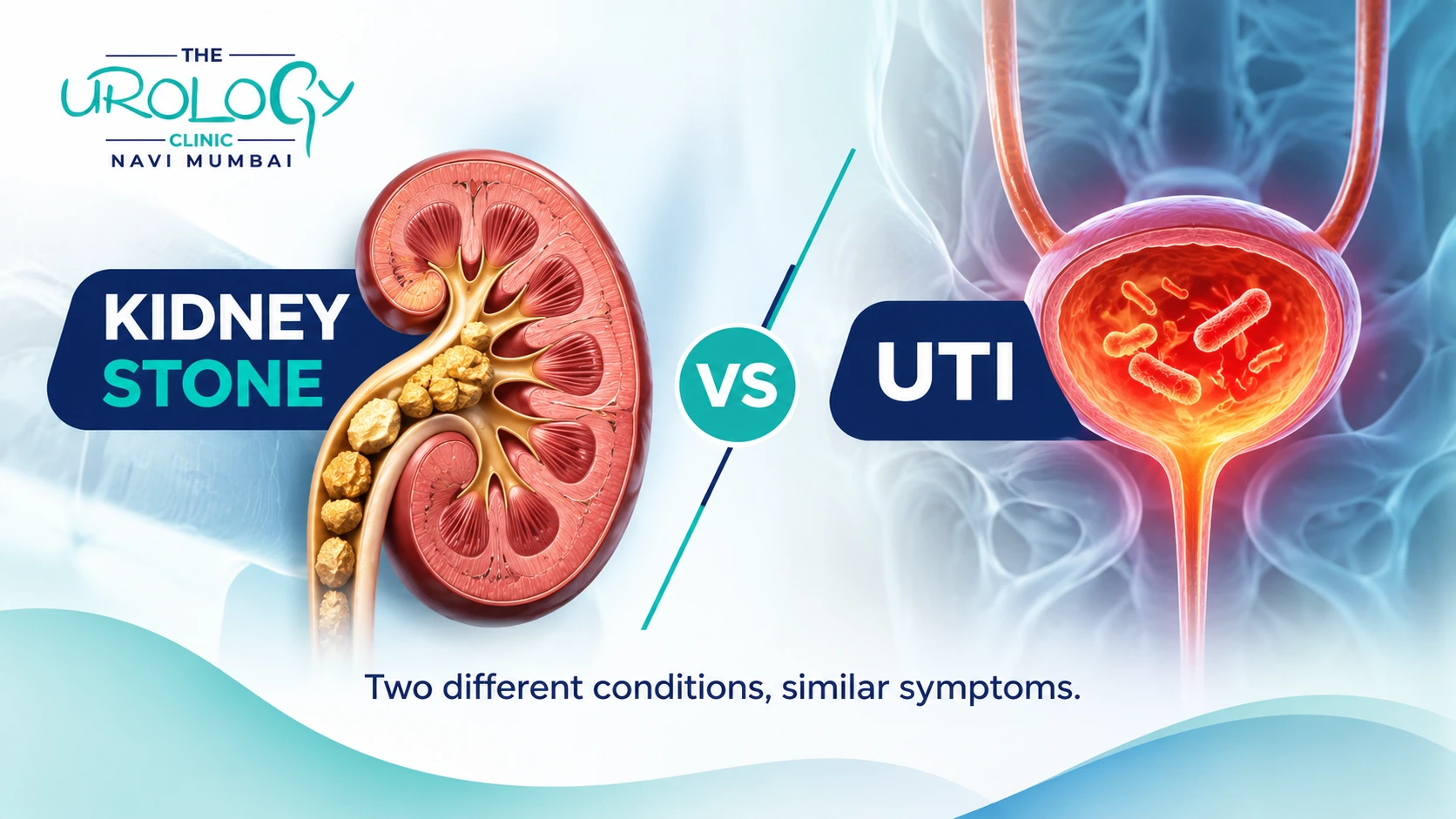
Comparison of Kidney Stone vs UTI
Comparison of Kidney Stone vs UTI Book An Apppointment Pain or discomfort while urinating can be caused by several urinary tract problems, but kidney stones and urinary tract infections (UTIs) are two common causes. Although they can sometimes produce similar symptoms, they are different conditions and require different approaches to treatment. A kidney stone is a hard, crystal-like deposit that forms from substances in the urine, while a UTI occurs when bacteria infect part of the urinary system, such as the bladder or urethra. Understanding the difference between Kidney Stone vs UTI can be helpful when symptoms such as frequent urination, abdominal discomfort, back pain, or changes in urine occur. Kidney stones may cause severe, sharp pain when a stone moves through the urinary tract, whereas a UTI commonly causes burning or pain during urination and an increased urge to urinate. Some people may also experience both conditions at the same time. Doctors may use a combination of symptoms, physical examination, urine tests, blood tests, and imaging studies to determine the underlying cause. Getting the correct diagnosis is important because kidney stones and UTIs are treated differently. Feature Kidney Stone UTI What is it? A hard deposit formed from minerals and salts in the urine An infection caused mainly by bacteria in the urinary tract Common location Kidney or urinary tract Bladder, urethra, ureters, or kidneys Main cause Concentrated urine, mineral buildup, dehydration and other risk factors Bacteria entering and multiplying in the urinary tract Pain Often causes sharp, severe pain in the side, back or lower abdomen Commonly causes burning or pain while urinating and lower abdominal discomfort Urination May cause frequent urination or difficulty passing urine if the stone blocks the urinary tract Frequent or urgent need to urinate is common Urine changes Blood in the urine may occur; urine can sometimes appear cloudy Urine may become cloudy, have an unusual smell, or contain blood Fever Usually not caused by an uncomplicated kidney stone Fever may occur, particularly when infection involves the kidneys Nausea/vomiting Can occur with severe kidney stone pain May occur if the infection has reached the kidneys Diagnosis Urine tests and imaging such as ultrasound or CT may be used Urine analysis and urine culture are commonly used Treatment Depends on the stone’s size, location and symptoms; may include fluids, medication or stone-removal procedures Usually treated with appropriate antibiotics and supportive care Can it block urine flow? Yes, a larger or strategically located stone can obstruct urine flow Severe infection-related swelling can affect urine flow, but obstruction is less typical Is it contagious? No A UTI itself is generally not considered a contagious infection Trusted Solutions for every Urological Concern Call Now
Hormone Test Price: Types, Costs and Testing Factors
Blogs Book An Apppointment Hormone Test Price: Types, Costs and Testing Factors Hormones influence many important functions in the body, including metabolism, growth, sexual health, reproduction, mood and energy levels. When symptoms suggest a hormonal imbalance, a doctor may recommend blood or other laboratory tests to check specific hormone levels. The hormone test price can vary considerably because there is no single test that measures all hormones. The total cost depends on which hormone is being checked, whether one test or a panel is required, the laboratory, testing method and location. A consultation can help determine which tests are actually appropriate instead of undergoing unnecessary testing. What Is a Hormone Test? A hormone test measures the level of a particular hormone or group of hormones in a biological sample, most commonly blood. Depending on the suspected condition, testing may assess hormones produced by the thyroid, pituitary gland, adrenal glands, testes or other endocrine organs. Hormone testing is not usually based on symptoms alone. Hormone levels naturally change according to age, sex, time of day, medications and other factors. The results therefore need to be interpreted in the context of the person’s symptoms and medical history. What Hormones Are Commonly Tested? Different hormone tests are used for different medical concerns. The appropriate test depends on the symptoms and the condition being evaluated. Testosterone Test Testosterone is an important hormone involved in male reproductive health, sexual function, muscle development and bone health. A doctor may recommend testosterone testing when symptoms such as reduced sexual desire, erectile difficulties, reduced muscle mass or other signs suggest a possible hormonal problem. Testosterone levels can vary during the day, so the timing of the sample may be relevant when interpreting results. Thyroid Hormone Tests Thyroid testing commonly includes thyroid-stimulating hormone (TSH), with additional tests such as free T4 or T3 when clinically appropriate. These tests can help assess thyroid function when symptoms suggest an underactive or overactive thyroid. Changes in thyroid function can affect energy, weight, heart rate, temperature tolerance and several other body functions. Consult Urology Navi Mumbai for appropriate hormone testing and personalised men’s health care. Book An Apppointment Prolactin Test Prolactin is produced by the pituitary gland and plays an important role in reproductive health. In men, unusually high prolactin levels may be associated with reduced libido, erectile difficulties or fertility problems. A doctor may recommend prolactin testing based on the symptoms and clinical assessment. FSH and LH Tests Follicle-stimulating hormone (FSH) and luteinising hormone (LH) are involved in reproductive and hormonal function. In men, these hormones help regulate testicular function and sperm production. Testing may be considered when evaluating certain fertility concerns, hormonal abnormalities or problems related to sexual development. What Factors Affect Hormone Test Price? The cost of hormonal testing can differ from one person to another depending on the tests required. Type of Hormone Tested Different hormones require different laboratory methods and equipment. A basic hormone measurement may have a different cost from a specialised assay. If several hormones need to be checked, the total laboratory expense will naturally be higher than for a single test. Number of Tests A doctor may recommend one hormone test or several tests depending on the suspected condition. For example, evaluating male fertility or reproductive hormones may involve more than one hormone measurement. The number of tests is therefore an important factor when estimating the total cost. Laboratory and Location Prices can vary between laboratories and cities. The facility’s testing equipment, methodology and other operational factors can influence the listed price. It is useful to confirm the current charges directly with the diagnostic facility before scheduling testing. Additional Investigations Hormonal symptoms can overlap with other medical conditions. Depending on the clinical situation, a doctor may recommend additional blood tests, imaging or other investigations alongside hormone testing. These additional investigations are separate from the price of the hormone test itself. Is Fasting Required for a Hormone Test? Fasting requirements depend on the specific test. Some hormone tests do not require fasting, while others may be performed alongside tests for which fasting is recommended. The timing of the sample can also matter for certain hormones because levels naturally fluctuate during the day. Patients should follow the preparation instructions provided by their doctor or laboratory rather than assuming that fasting is always necessary. When Is Hormone Testing Recommended? Hormone testing may be recommended when symptoms suggest an endocrine or reproductive hormonal problem. In men, testing may be considered for concerns such as reduced sexual desire, erectile difficulties, infertility, unexplained changes in body composition or symptoms associated with thyroid dysfunction. Hormone testing may also be used to monitor a previously diagnosed hormonal condition or assess the response to treatment. A hormone test should ideally be selected based on the clinical concern. Testing every hormone without a specific reason may not provide useful information. How Are Hormone Test Results Interpreted? A laboratory report generally provides the measured hormone level along with a reference range. However, a result outside the reference range does not automatically mean that a person has a disease. Hormone levels can be influenced by age, sex, time of sample collection, medications, illness and other factors. Some hormones also naturally fluctuate throughout the day. For this reason, results should be interpreted alongside symptoms, medical history and other relevant investigations. A doctor may recommend repeat testing when the result does not match the clinical picture. Can Hormone Tests Detect Male Fertility Problems? Hormone testing can provide useful information when evaluating certain male fertility concerns, but it is only one part of the assessment. Tests such as testosterone, FSH and LH may provide information about hormonal regulation of testicular function. Depending on the situation, a doctor may also recommend semen analysis and other investigations. The appropriate combination depends on the individual’s symptoms, medical history and fertility goals. Why Choose Urology Navi Mumbai for Hormonal and Men’s Health Care? Urology Navi Mumbai provides evaluation and treatment for urological and male reproductive health concerns. Hormonal symptoms can have several possible
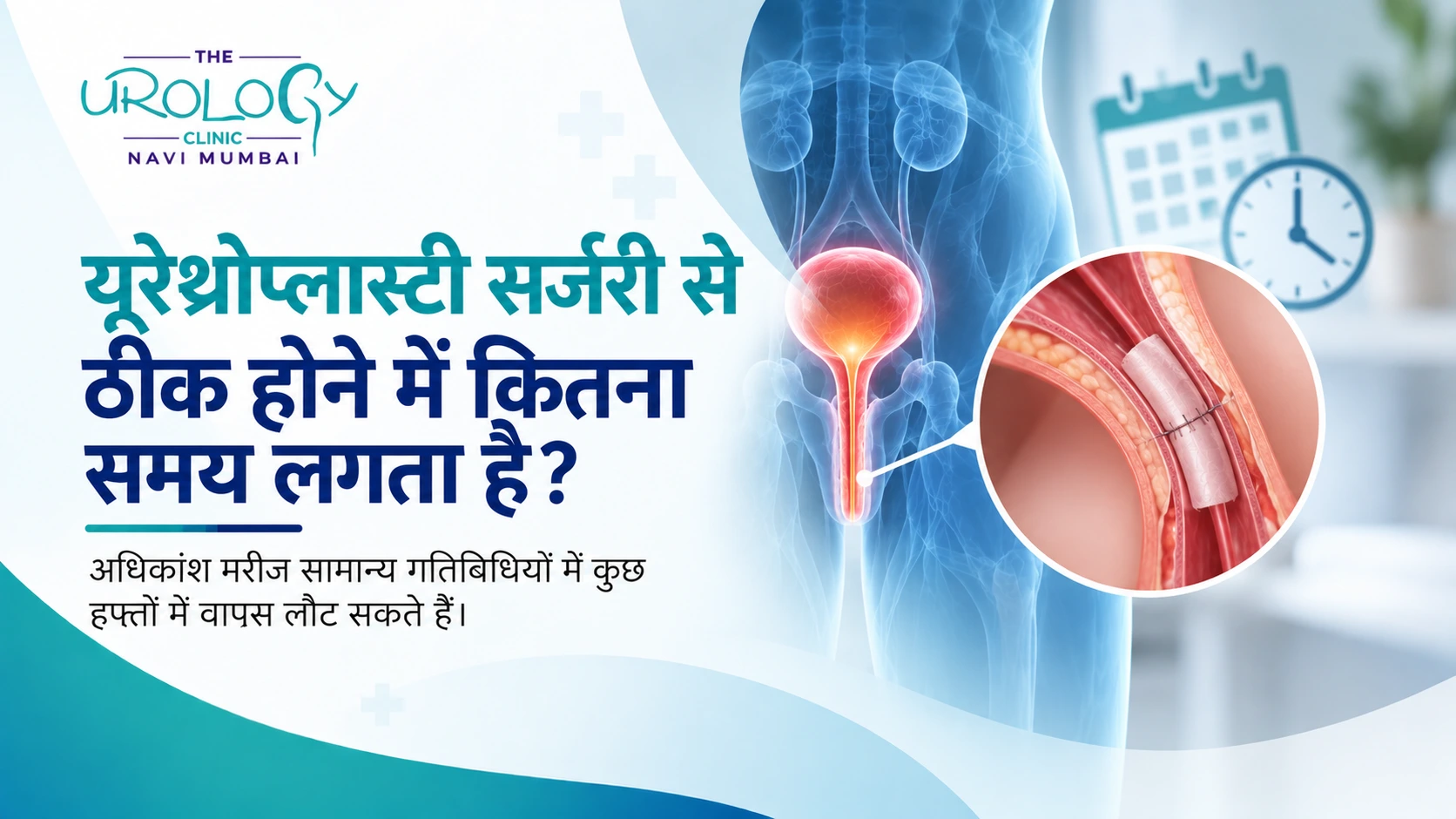
यूरेथ्रोप्लास्टी सर्जरी से ठीक होने में कितना समय लगता है?
Blogs Book An Apppointment यूरेथ्रोप्लास्टी सर्जरी से ठीक होने में कितना समय लगता है? यूरेथ्रोप्लास्टी सर्जरी के बाद पूरी तरह ठीक होने में लगने वाला समय हर व्यक्ति में अलग हो सकता है। सर्जरी किस कारण से की गई है, मूत्रमार्ग में संकुचन कितना है, किस तकनीक से सर्जरी की गई है और मरीज की सामान्य सेहत कैसी है, इन सभी बातों का रिकवरी पर असर पड़ता है। कुछ मरीज कुछ ही दिनों में रोजमर्रा की हल्की गतिविधियां शुरू कर लेते हैं, जबकि पूरी तरह सामान्य होने में कई सप्ताह लग सकते हैं। सर्जरी के बाद डॉक्टर द्वारा बताई गई सावधानियों का पालन करना रिकवरी के लिए बहुत जरूरी होता है। यूरेथ्रोप्लास्टी सर्जरी क्या होती है? यूरेथ्रोप्लास्टी एक सर्जिकल प्रक्रिया है, जिसका उपयोग मूत्रमार्ग में मौजूद संकुचन यानी यूरेथ्रल स्ट्रिक्चर को ठीक करने के लिए किया जाता है। मूत्रमार्ग वह नली है, जिसके माध्यम से मूत्र शरीर से बाहर निकलता है। चोट, संक्रमण, पिछली सर्जरी या किसी अन्य कारण से इस नली में निशान या सिकुड़न हो सकती है। इससे पेशाब की धार कमजोर होना, पेशाब करने में अधिक समय लगना या मूत्राशय को पूरी तरह खाली न कर पाना जैसी समस्याएं हो सकती हैं। यूरेथ्रोप्लास्टी में मूत्रमार्ग के संकुचित हिस्से को ठीक किया जाता है, ताकि पेशाब के प्रवाह के लिए पर्याप्त रास्ता मिल सके। संकुचन की जगह और उसकी लंबाई के आधार पर सर्जरी की अलग-अलग तकनीकों का इस्तेमाल किया जा सकता है। कुछ मामलों में संकुचित हिस्से को हटाकर दोनों सिरों को जोड़ा जाता है, जबकि लंबे संकुचन में शरीर के किसी दूसरे हिस्से से लिए गए ऊतक, जैसे मुंह के अंदर की परत से लिए गए ग्राफ्ट का उपयोग किया जा सकता है। सर्जरी के बाद शुरुआती रिकवरी कितने समय में होती है? यूरेथ्रोप्लास्टी के बाद शुरुआती रिकवरी आमतौर पर कुछ दिनों में शुरू हो जाती है, लेकिन इसका मतलब यह नहीं है कि इस समय तक सर्जरी पूरी तरह ठीक हो चुकी होती है। अस्पताल में रहने का समय सर्जरी की तकनीक और मरीज की स्थिति पर निर्भर करता है। कई मरीजों को सर्जरी के बाद कुछ समय निगरानी में रखा जाता है और डॉक्टर की सलाह के अनुसार घर भेज दिया जाता है। घर जाने के बाद शुरुआती दिनों में आराम करना महत्वपूर्ण होता है। हल्की थकान, सर्जरी वाली जगह पर असहजता या हल्का दर्द महसूस हो सकता है। जैसे-जैसे घाव भरता है, इन समस्याओं में धीरे-धीरे कमी आने लगती है। हालांकि, बाहर से घाव ठीक दिखाई देने के बावजूद अंदर के ऊतकों को पूरी तरह ठीक होने में अधिक समय लग सकता है। इसलिए जल्दी सामान्य दिनचर्या में लौटने के बजाय डॉक्टर की सलाह के अनुसार गतिविधियां बढ़ाना बेहतर होता है। क्या सर्जरी के बाद कैथेटर जरूरी होता है? यूरेथ्रोप्लास्टी के बाद कई मरीजों में कैथेटर लगाया जाता है। इसका उद्देश्य सर्जरी किए गए मूत्रमार्ग को ठीक होने के दौरान मूत्र निकालने में मदद करना होता है। कैथेटर कितने दिनों तक रखा जाएगा, यह सर्जरी के प्रकार, संकुचन की लंबाई और सर्जन की सलाह पर निर्भर करता है। कैथेटर रहने के दौरान मरीज को उसकी साफ-सफाई और देखभाल के बारे में दी गई सभी बातों का ध्यान रखना चाहिए। कैथेटर को खुद से निकालने या उसमें किसी तरह का बदलाव करने की कोशिश नहीं करनी चाहिए। डॉक्टर द्वारा बताए गए समय पर ही कैथेटर हटाया जाता है। कुछ मामलों में कैथेटर हटाने से पहले जांच भी की जा सकती है, ताकि यह देखा जा सके कि मूत्रमार्ग ठीक तरह से भर रहा है या नहीं। यूरेथ्रोप्लास्टी के लिए Urology Navi Mumbai से परामर्श लें। Book An Apppointment यूरेथ्रोप्लास्टी के बाद सामान्य गतिविधियां कब शुरू कर सकते हैं? सामान्य गतिविधियों में वापस लौटने का समय व्यक्ति और सर्जरी की प्रकृति के अनुसार अलग हो सकता है। हल्का चलना अक्सर शुरुआती रिकवरी का हिस्सा होता है, लेकिन लंबे समय तक चलना, अधिक सीढ़ियां चढ़ना या शरीर पर ज्यादा दबाव डालने वाली गतिविधियां कुछ समय के लिए टालने की सलाह दी जा सकती है। ऑफिस का काम भी काम की प्रकृति पर निर्भर करता है। यदि काम बैठकर किया जाता है, तो डॉक्टर की अनुमति मिलने पर अपेक्षाकृत जल्दी शुरू किया जा सकता है। लेकिन लंबे समय तक बैठने या शारीरिक मेहनत वाले काम में अधिक समय लग सकता है। अपनी स्थिति के अनुसार सही समय जानने के लिए फॉलो-अप के दौरान डॉक्टर से सलाह लेना जरूरी है। क्या सर्जरी के बाद व्यायाम किया जा सकता है? यूरेथ्रोप्लास्टी के बाद हल्की गतिविधि और चलना आमतौर पर रिकवरी में मदद कर सकता है, लेकिन तुरंत भारी व्यायाम शुरू करना उचित नहीं होता। दौड़ना, साइकिल चलाना, वजन उठाना, जिम में कठिन वर्कआउट या ऐसी गतिविधियां जिनसे सर्जरी वाले हिस्से पर दबाव पड़ता है, इन्हें डॉक्टर की अनुमति मिलने तक टालना पड़ सकता है। व्यायाम दोबारा शुरू करने का सही समय सर्जरी की तकनीक और मरीज की रिकवरी पर निर्भर करता है। यदि व्यायाम के दौरान दर्द, सूजन, रक्तस्राव या अन्य परेशानी महसूस हो, तो व्यायाम रोककर डॉक्टर से संपर्क करना चाहिए। धीरे-धीरे गतिविधि बढ़ाना आमतौर पर अचानक अधिक मेहनत करने से बेहतर होता है। सर्जरी के बाद पेशाब करने में सुधार कब दिखाई देता है? यूरेथ्रोप्लास्टी का मुख्य उद्देश्य मूत्रमार्ग के संकुचन को ठीक करके पेशाब के प्रवाह में सुधार करना है। इसलिए सफल सर्जरी के बाद कई मरीजों को पेशाब की धार पहले की तुलना में बेहतर महसूस हो सकती है। हालांकि, सुधार कब और कितना दिखाई देगा, यह हर मरीज में अलग हो सकता है। सर्जरी के तुरंत बाद कैथेटर होने के कारण सामान्य तरीके से पेशाब करने का अनुभव नहीं हो सकता। कैथेटर हटने के बाद डॉक्टर मरीज के पेशाब करने के तरीके और प्रवाह पर नजर रख सकते हैं। शुरुआत में कुछ असहजता हो सकती है, लेकिन रिकवरी के साथ स्थिति में सुधार आ सकता है। यदि कैथेटर हटने के बाद पेशाब करने में बहुत कठिनाई हो या पेशाब बिल्कुल न हो, तो तुरंत डॉक्टर से संपर्क करना चाहिए। रिकवरी को प्रभावित करने वाले कारक कौन से हैं? यूरेथ्रोप्लास्टी के बाद रिकवरी कई बातों पर निर्भर करती है। मूत्रमार्ग में संकुचन की लंबाई और स्थिति, संकुचन कितना गंभीर है, सर्जरी की कौन-सी तकनीक
Radiation Therapy Cost: Types, Factors and Treatment Planning
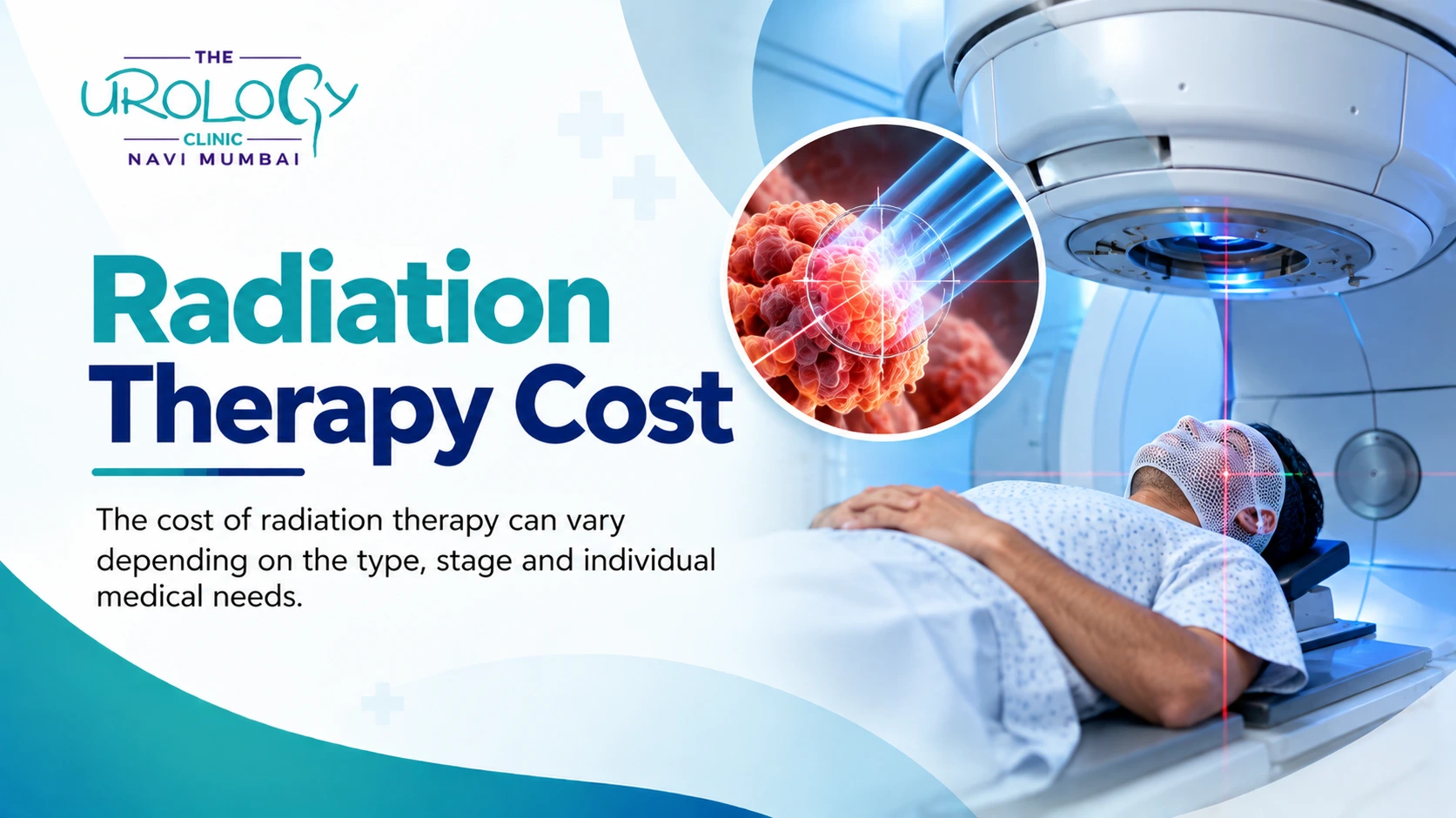
Blogs Book An Apppointment Radiation Therapy Cost: Types, Factors and Treatment Planning Radiation therapy is an important treatment used for several types of cancer. It uses carefully controlled high-energy radiation to damage cancer cells and limit their ability to grow and divide. Depending on the cancer type, location and treatment goal, radiation may be used alone or together with surgery, chemotherapy, hormone therapy or other treatments. When considering radiation therapy cost, there is no single price that applies to every patient. The total expense can vary according to the type of radiation therapy, number of sessions, treatment technology, cancer location, treatment planning and the healthcare facility providing the treatment. A detailed treatment plan is usually needed before the overall cost can be estimated. What Is Radiation Therapy? Radiation therapy uses high-energy radiation to target cancer cells. The radiation may be delivered from a machine outside the body or, in selected cases, from a radioactive source placed inside or near the treatment area. The main aim is to deliver an effective dose to the tumour while limiting exposure to surrounding healthy tissues. Modern radiation techniques use imaging and treatment planning systems to improve the accuracy of radiation delivery. The treatment approach depends on the type and stage of cancer, the location of the tumour, overall health and whether radiation is being used to cure cancer, reduce the risk of recurrence or relieve symptoms. What Factors Affect Radiation Therapy Cost? The overall expense can differ significantly between patients because radiation therapy involves several stages of care. Type of Radiation Therapy Different radiation techniques require different equipment and planning. External beam radiation therapy is commonly delivered using a linear accelerator, while other techniques may be used for specific clinical situations. More specialised treatment technologies may have different costs because of the equipment, planning and expertise involved. Number of Treatment Sessions Radiation therapy may be delivered in a single session or over several sessions, depending on the treatment plan. Conventional treatment can involve multiple sessions over several weeks, while some patients may be suitable for shorter treatment schedules. Since the number of sessions directly affects the treatment process, it can also influence the overall expense. Treatment Planning and Imaging Before radiation begins, detailed planning is required to determine the appropriate radiation dose and treatment area. Imaging may be used to map the tumour and surrounding structures. Planning scans, treatment simulation and other preparation procedures may contribute to the total cost. Cancer Type and Location Radiation treatment varies depending on where the cancer is located and how close it is to sensitive organs. Treating a tumour in one area may require a different approach from treating another location. The complexity of the treatment plan can therefore influence the overall expense. Hospital and Treatment Facility Costs may also vary between hospitals and cancer treatment centres. Factors such as equipment, facilities, treatment planning systems, staffing and location can contribute to differences in pricing. Patients should ask the treatment centre for a detailed estimate that includes consultation, planning, treatment sessions and relevant follow-up care. Consult Urology Navi Mumbai for appropriate evaluation and guidance regarding urological cancer treatment options. Book An Apppointment What Are the Main Types of Radiation Therapy? Radiation therapy is not one single procedure. Different approaches are selected according to the patient’s cancer and treatment goals. External Beam Radiation Therapy External beam radiation therapy delivers radiation from a machine outside the body. The machine directs radiation toward the treatment area according to a carefully planned schedule. This approach is commonly used for many cancers and can involve different delivery techniques depending on the tumour. Internal Radiation Therapy Internal radiation therapy, also called brachytherapy in many situations, involves placing a radioactive source inside the body or close to the tumour. It can deliver radiation directly to a specific treatment area. It is used for selected cancers and is not appropriate for every patient. Stereotactic Radiation Therapy Stereotactic techniques deliver highly focused radiation to a defined target, often using advanced imaging and treatment planning. Depending on the clinical situation, treatment may be delivered over a small number of sessions. The suitability of this approach depends on factors such as tumour size, location and type. How Many Radiation Therapy Sessions Are Needed? There is no universal number of sessions. The schedule depends on the cancer type, stage, treatment objective and radiation technique. Some treatment plans involve daily sessions on weekdays for several weeks, while selected cancers or treatment situations may be managed using shorter schedules. Stereotactic approaches may involve fewer sessions. The radiation oncology team determines the dose and schedule according to the patient’s individual treatment plan. Does Radiation Therapy Cost Include All Treatment Expenses? Not necessarily. The quoted treatment price may cover certain parts of the radiation process but not necessarily every related medical expense. Depending on the facility, additional charges may include specialist consultations, imaging, treatment planning, blood tests, medicines, hospital services or follow-up appointments. Before starting treatment, it is useful to request a written estimate that clearly states what is included and what may be charged separately. What Side Effects Can Occur During Radiation Therapy? Side effects depend on the area being treated, radiation dose, treatment schedule and individual factors. Some people may experience tiredness, skin changes, changes in appetite or other symptoms related to the treatment area. For example, radiation involving the abdomen or pelvis may produce different effects from radiation involving the head and neck. Side effects can also develop during or after treatment. The treating oncology team can provide guidance on expected effects and ways to manage them. Patients should report new or worsening symptoms rather than stopping treatment without medical advice. Is Radiation Therapy Always Needed for Cancer? No. Radiation therapy is appropriate for some cancers and treatment situations but is not required for every patient. A cancer treatment plan may involve surgery, chemotherapy, immunotherapy, hormone therapy, radiation or a combination of treatments. The decision depends on the cancer type, stage, tumour characteristics, previous treatment and overall health. A multidisciplinary oncology
प्रोस्टेट कैंसर के लक्षण और संकेत
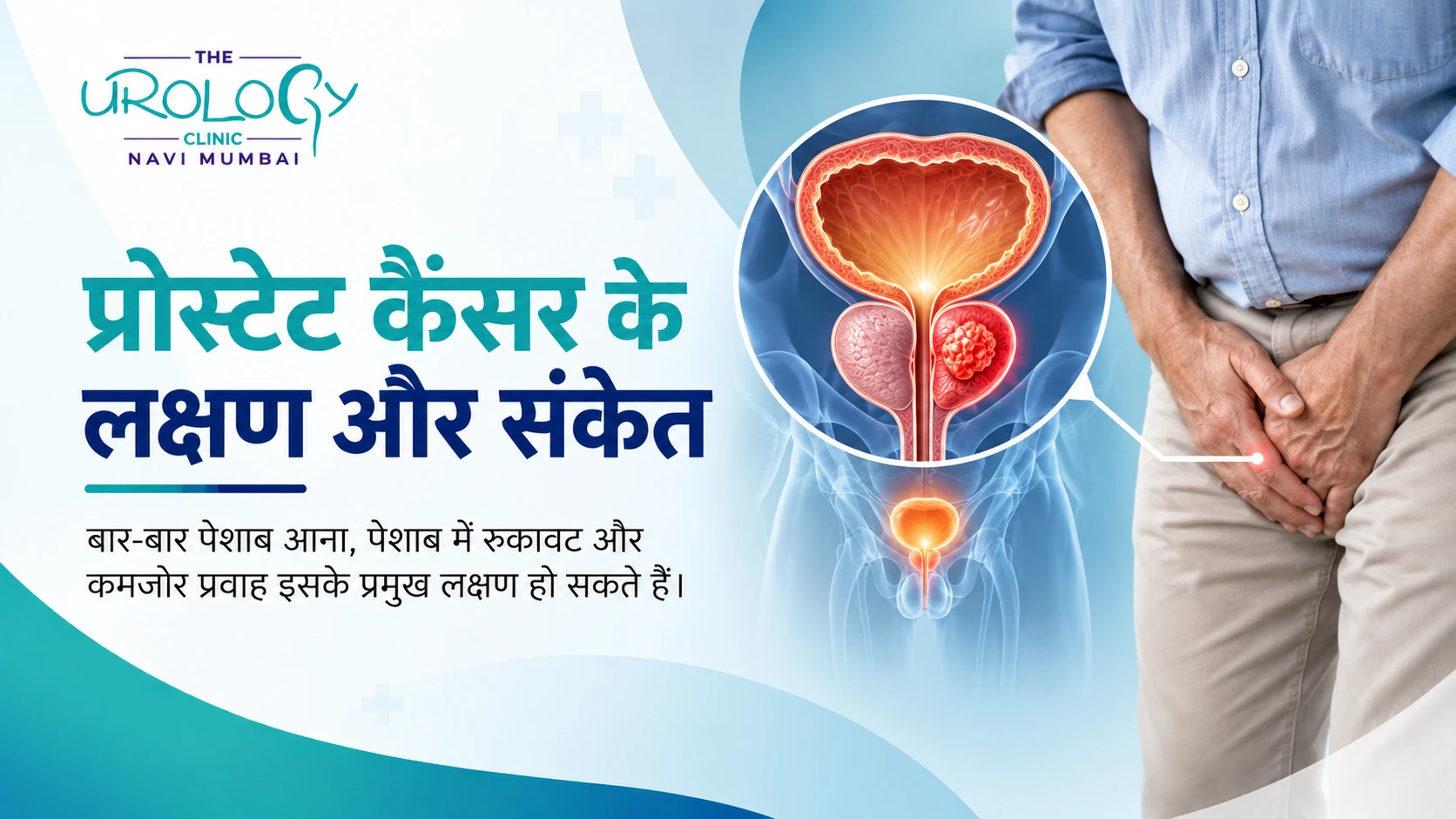
Blogs Book An Apppointment प्रोस्टेट कैंसर के लक्षण और संकेत प्रोस्टेट कैंसर पुरुषों में होने वाला एक प्रमुख कैंसर है, जो प्रोस्टेट ग्रंथि की कोशिकाओं में शुरू होता है। प्रोस्टेट पुरुष प्रजनन तंत्र का एक हिस्सा है और यह मूत्राशय के ठीक नीचे स्थित होती है। शुरुआती चरण में प्रोस्टेट कैंसर के कई मामलों में कोई स्पष्ट लक्षण दिखाई नहीं देते। इसलिए केवल लक्षणों के आधार पर इस बीमारी को पहचानना हमेशा संभव नहीं होता। उम्र, परिवार में बीमारी का इतिहास और डॉक्टर की सलाह के अनुसार की जाने वाली जांच इसके बारे में समय पर जानकारी पाने में मदद कर सकती है। प्रोस्टेट कैंसर क्या है? प्रोस्टेट कैंसर तब होता है जब प्रोस्टेट ग्रंथि की कुछ कोशिकाएं असामान्य तरीके से बढ़ने लगती हैं और नियंत्रण से बाहर हो जाती हैं। प्रोस्टेट मूत्राशय के नीचे और मलाशय के सामने स्थित होती है तथा मूत्रमार्ग के एक हिस्से को घेरती है। उम्र बढ़ने के साथ प्रोस्टेट का आकार बढ़ना सामान्य हो सकता है, लेकिन प्रोस्टेट का बढ़ना हमेशा कैंसर का संकेत नहीं होता। बढ़ी हुई प्रोस्टेट यानी बीपीएच और प्रोस्टेट कैंसर दो अलग-अलग स्थितियां हैं। प्रोस्टेट कैंसर के शुरुआती लक्षण क्या हैं? प्रोस्टेट कैंसर के शुरुआती चरण में अक्सर कोई खास लक्षण दिखाई नहीं देते। जब लक्षण दिखाई देते हैं, तो वे कई बार पेशाब से जुड़ी सामान्य समस्याओं जैसे लग सकते हैं। पेशाब शुरू करने में परेशानी, पेशाब की धार कमजोर या रुक-रुककर आना, बार-बार पेशाब लगना, खासकर रात में कई बार उठना या पेशाब करने के बाद भी मूत्राशय पूरी तरह खाली न होने जैसा महसूस होना कुछ संभावित संकेत हो सकते हैं। हालांकि, इन लक्षणों का मतलब यह नहीं है कि व्यक्ति को प्रोस्टेट कैंसर ही है। बढ़ी हुई प्रोस्टेट या अन्य मूत्र संबंधी समस्याओं में भी ऐसे लक्षण हो सकते हैं। क्या पेशाब में खून आना प्रोस्टेट कैंसर का लक्षण हो सकता है? हां, कुछ मामलों में पेशाब में खून आना प्रोस्टेट कैंसर से जुड़ा हो सकता है। हालांकि, पेशाब में खून आने के कई अन्य कारण भी हो सकते हैं, जैसे मूत्र मार्ग का संक्रमण, किडनी या मूत्राशय से जुड़ी समस्या या अन्य स्थितियां। इसलिए पेशाब में खून दिखाई देने पर इसे नजरअंदाज नहीं करना चाहिए। डॉक्टर आवश्यकता के अनुसार जांच करके इसके वास्तविक कारण का पता लगा सकते हैं। प्रोस्टेट की समस्या के लिए Urology Navi Mumbai से परामर्श लें। Book An Apppointment प्रोस्टेट कैंसर में पेशाब से जुड़ी कौन-सी समस्याएं हो सकती हैं? प्रोस्टेट मूत्रमार्ग के आसपास स्थित होती है। इसलिए प्रोस्टेट में होने वाले बदलावों के कारण कुछ पुरुषों को पेशाब से जुड़ी परेशानियां हो सकती हैं। इनमें पेशाब शुरू करने में कठिनाई, पेशाब की धार कमजोर होना, पेशाब रुक-रुककर आना, बार-बार पेशाब लगना, रात में बार-बार पेशाब के लिए उठना और पेशाब करने के बाद भी मूत्राशय पूरी तरह खाली न होने की भावना शामिल हो सकती है। पेशाब करते समय दर्द या जलन भी कुछ मामलों में हो सकती है। लेकिन इन लक्षणों को केवल प्रोस्टेट कैंसर से जोड़ना सही नहीं है, क्योंकि कई गैर-कैंसर स्थितियां भी इनके पीछे हो सकती हैं। क्या प्रोस्टेट कैंसर में दर्द होता है? शुरुआती प्रोस्टेट कैंसर में आमतौर पर दर्द कोई प्रमुख लक्षण नहीं होता। बीमारी बढ़ने पर कुछ लोगों को पीठ, कूल्हों या पेल्विस यानी श्रोणि के आसपास लगातार दर्द हो सकता है। दर्द होने का मतलब हमेशा कैंसर होना नहीं है, लेकिन यदि दर्द लगातार बना रहता है या उसके साथ पेशाब से जुड़ी अन्य समस्याएं भी हैं, तो डॉक्टर से सलाह लेना जरूरी है। समय पर जांच कराने से समस्या का सही कारण समझने में मदद मिल सकती है। प्रोस्टेट कैंसर के जोखिम कारक क्या हैं? उम्र प्रोस्टेट कैंसर का एक महत्वपूर्ण जोखिम कारक है और उम्र बढ़ने के साथ इसका खतरा बढ़ता है। परिवार में प्रोस्टेट कैंसर का इतिहास होने पर भी जोखिम बढ़ सकता है। इसके अलावा कुछ आनुवंशिक बदलाव, जैसे बीआरसीए1 या बीआरसीए2 जीन में बदलाव, कुछ पुरुषों में जोखिम को प्रभावित कर सकते हैं। इसलिए केवल उम्र ही नहीं, बल्कि व्यक्ति की पारिवारिक और व्यक्तिगत स्वास्थ्य पृष्ठभूमि को भी ध्यान में रखना जरूरी है। क्या परिवार में प्रोस्टेट कैंसर होने पर जांच जरूरी है? यदि परिवार में पिता, भाई या बेटे जैसे करीबी रिश्तेदार को प्रोस्टेट कैंसर रहा है, तो व्यक्ति का जोखिम सामान्य से अधिक हो सकता है। ऐसी स्थिति में डॉक्टर को परिवार में कैंसर के इतिहास के बारे में जरूर बताना चाहिए। डॉक्टर उम्र, पारिवारिक इतिहास और अन्य जोखिम कारकों को देखकर यह तय कर सकते हैं कि प्रोस्टेट कैंसर की जांच कब और किस प्रकार करनी चाहिए। हर व्यक्ति के लिए एक ही जांच योजना सही नहीं होती, इसलिए जांच के फायदे और संभावित सीमाओं के बारे में डॉक्टर से चर्चा करना जरूरी है। प्रोस्टेट कैंसर की जांच कैसे की जाती है? प्रोस्टेट कैंसर की जांच के लिए डॉक्टर सबसे पहले व्यक्ति के लक्षणों और व्यक्तिगत तथा पारिवारिक स्वास्थ्य इतिहास के बारे में जानकारी लेते हैं। जरूरत के अनुसार पीएसए यानी प्रोस्टेट-स्पेसिफिक एंटीजन की रक्त जांच की जा सकती है। डॉक्टर डिजिटल रेक्टल एग्जाम यानी डीआरई के माध्यम से भी प्रोस्टेट में किसी असामान्य बदलाव को जांच सकते हैं। यदि जांच के परिणामों में कैंसर की आशंका दिखाई देती है, तो आगे एमआरआई जैसी इमेजिंग जांच और आवश्यकता पड़ने पर प्रोस्टेट बायोप्सी की सलाह दी जा सकती है। पीएसए का स्तर बढ़ा होना अपने आप में प्रोस्टेट कैंसर की पुष्टि नहीं करता। बढ़ी हुई प्रोस्टेट, प्रोस्टेट में सूजन या अन्य कारणों से भी पीएसए बढ़ सकता है। कैंसर की पुष्टि के लिए बायोप्सी में प्रोस्टेट के ऊतक का नमूना लेकर माइक्रोस्कोप के नीचे उसकी जांच की जाती है। प्रोस्टेट कैंसर का इलाज कैसे किया जाता है? प्रोस्टेट कैंसर का इलाज बीमारी के चरण, कैंसर की गति, व्यक्ति की उम्र, सामान्य स्वास्थ्य और अन्य व्यक्तिगत परिस्थितियों के आधार पर तय किया जाता है। कुछ मामलों में कैंसर धीरे बढ़ रहा हो तो डॉक्टर तुरंत उपचार शुरू करने के बजाय एक्टिव सर्विलांस की सलाह दे सकते हैं, जिसमें नियमित जांच के माध्यम से बीमारी पर नजर रखी जाती है। जरूरत पड़ने पर सर्जरी या रेडिएशन थेरेपी जैसे उपचार विकल्पों का इस्तेमाल किया जा सकता है।