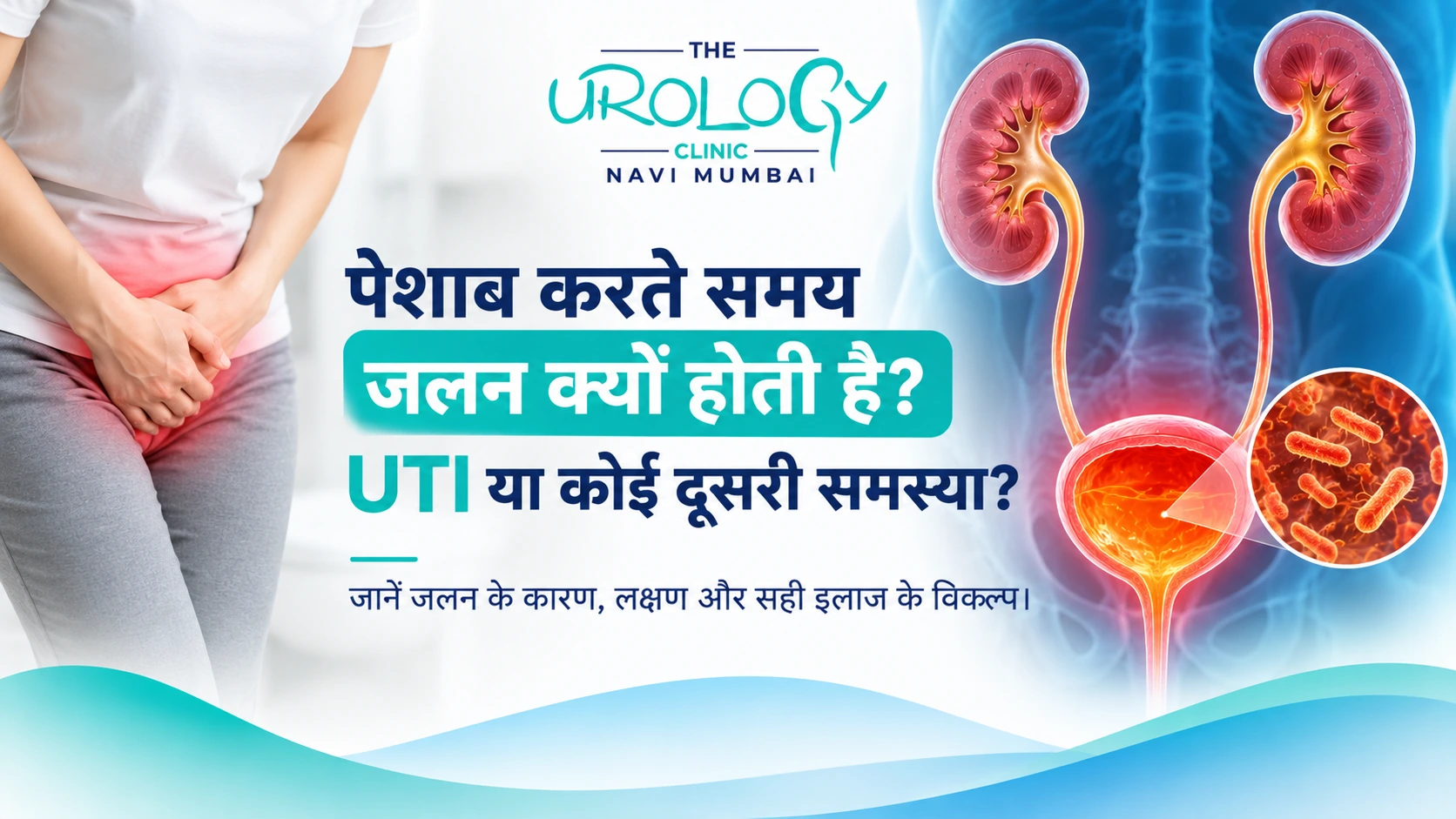


Back pain is one of the most common reasons people visit a doctor, but not every backache is caused by muscle strain or poor posture. In some cases, pain that begins in the back may actually be linked to the kidneys. If you’ve been wondering do kidney stones cause back pain?, the answer is yes. Kidney stones often cause intense pain that starts in the side or back and may spread toward the lower abdomen or groin as the stone moves through the urinary tract.
The pain associated with kidney stones is usually different from ordinary back pain. It often appears suddenly, becomes severe within minutes, and comes in waves rather than remaining constant. Recognizing these symptoms early can help you seek timely medical care and avoid complications.
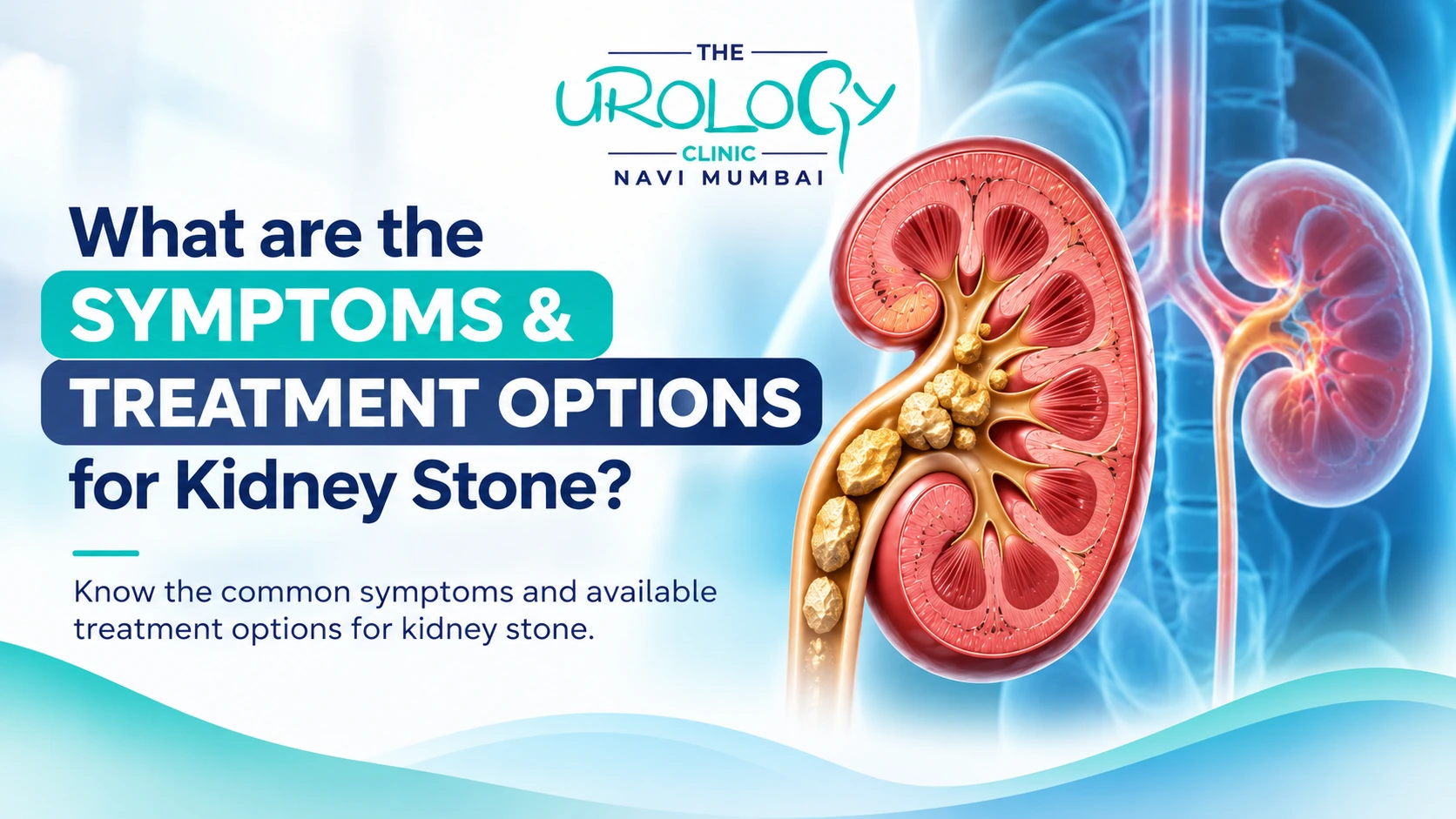
Kidney stones are hard deposits made of minerals and salts that form inside the kidneys. They develop when certain substances in the urine become highly concentrated and stick together to form crystals. Over time, these crystals grow into stones of different sizes.
Some kidney stones are as small as a grain of sand and pass naturally, while others become larger and may block the flow of urine, leading to severe pain and other symptoms.
The reason do kidney stones cause back pain? is such a common concern is because the kidneys are located toward the back of the upper abdomen, just below the rib cage. When a stone remains inside the kidney or moves into the ureter, it can block urine flow and increase pressure within the urinary tract.
This pressure triggers muscle spasms and irritation of nearby nerves, resulting in sharp pain that is commonly felt in the back or side. Unlike muscle-related back pain, kidney stone pain is not relieved by changing positions or resting.
Kidney stone pain has a few distinctive characteristics that help differentiate it from regular back pain.
The discomfort usually begins without warning and can become extremely intense within a short period.
Instead of remaining constant, the pain increases and decreases as the stone moves through the urinary tract.
It may begin in the side or back before gradually moving toward the lower abdomen or groin.
Many people describe kidney stone pain as one of the most painful medical conditions they have experienced.
Back pain caused by kidney stones is often accompanied by additional symptoms that indicate the urinary tract is affected.
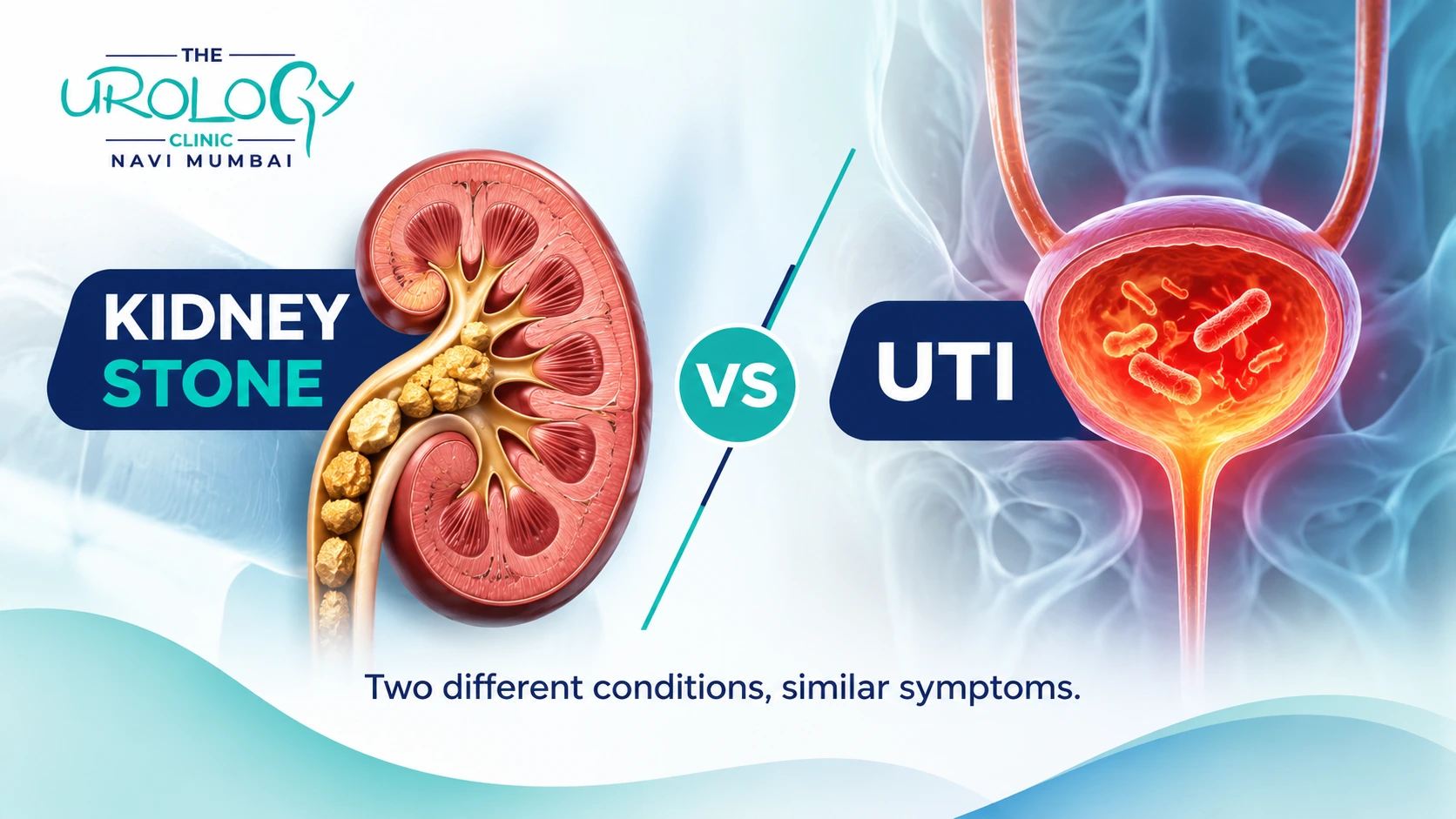
These symptoms may include burning while passing urine, frequent urination, blood in the urine, cloudy or foul-smelling urine, nausea, vomiting, fever, chills, and difficulty passing urine. If fever or chills develop, immediate medical attention is important because it could indicate a kidney infection.
Although both conditions involve discomfort in the back, they are quite different.
Muscle-related back pain usually develops after lifting heavy objects, prolonged sitting, exercise, or injury. It often improves with rest, stretching, or pain medication.
Kidney stone pain, however, starts suddenly without any obvious injury. It is much more severe, comes in waves, and is often associated with urinary symptoms. Changing body position generally does not reduce the pain.
Several factors increase the chances of developing kidney stones.
Not drinking enough water is one of the leading causes because concentrated urine allows minerals to crystallize more easily. Diets high in salt, excessive animal protein, obesity, certain medical conditions, family history, and repeated urinary tract infections can also increase the risk.
People who have had kidney stones once are more likely to develop them again, making prevention especially important.
If your doctor suspects kidney stones, several tests may be recommended to confirm the diagnosis. A urine test helps detect blood, infection, or excess minerals. Blood tests evaluate kidney function and identify possible causes of stone formation. Imaging tests such as ultrasound or CT scans provide detailed information about the stone’s size, location, and whether it is blocking urine flow. Accurate diagnosis helps determine the most suitable treatment plan.
Treatment depends on the size, location, and symptoms caused by the stone.
Small stones often pass naturally with increased water intake, pain-relieving medications, and medicines that relax the urinary tract.
Larger stones or stones causing severe pain, infection, or blockage may require advanced treatment such as:
Early treatment not only relieves pain but also protects kidney function.
While not every kidney stone can be prevented, healthy habits significantly reduce the risk.
Drinking enough water throughout the day helps dilute urine and prevents crystal formation. Limiting salt intake, eating a balanced diet, maintaining a healthy weight, and following your doctor’s dietary recommendations based on the type of stone are also effective preventive measures.
If you’ve had kidney stones before, regular follow-up can help detect recurring stones before they become painful.
Seek medical attention immediately if your back pain is severe, comes on suddenly, or is accompanied by blood in the urine, fever, vomiting, difficulty passing urine, or persistent nausea.
Prompt evaluation helps prevent complications such as urinary blockage, kidney infection, or permanent kidney damage.
At Urology Hospital Navi Mumbai, patients receive comprehensive care for kidney stones using advanced diagnostic technology and minimally invasive treatment options. The hospital offers personalized treatment plans based on the size, type, and location of the stone, helping patients achieve faster recovery with minimal discomfort. From accurate diagnosis to complete stone management and preventive guidance, the experienced urology team focuses on delivering safe, effective, and patient-centered care.
So, do kidney stones cause back pain? Yes, they certainly can, and the pain is often much more intense than ordinary back pain. When severe pain is combined with urinary symptoms such as blood in the urine, burning sensation, or frequent urination, kidney stones should be considered as a possible cause. Early diagnosis and timely treatment help relieve pain, prevent complications, and protect long-term kidney health.
Yes. Kidney stones commonly cause pain in the side or lower back, especially when they move into the ureter.
No. The pain usually comes in waves and may become more severe as the stone moves through the urinary tract.
Back pain associated with kidney stones is often sudden, severe, and accompanied by symptoms such as blood in urine, nausea, vomiting, or painful urination.
Yes. Even small stones can cause significant pain if they block urine flow or irritate the urinary tract.
No. Many small stones pass naturally with hydration and medication, while larger stones may require minimally invasive procedures.
About The Urology Clinic Navi Mumbai
The Urology Clinic Navi Mumbai, led by Dr. Ninad Tamboli, a trusted urologist in Navi Mumbai, is your destination for expert urological care. Specializing in advanced treatments for urinary and reproductive health.
We’re here to assist you! Reach out to us for appointments, inquiries, or detailed information about our services: