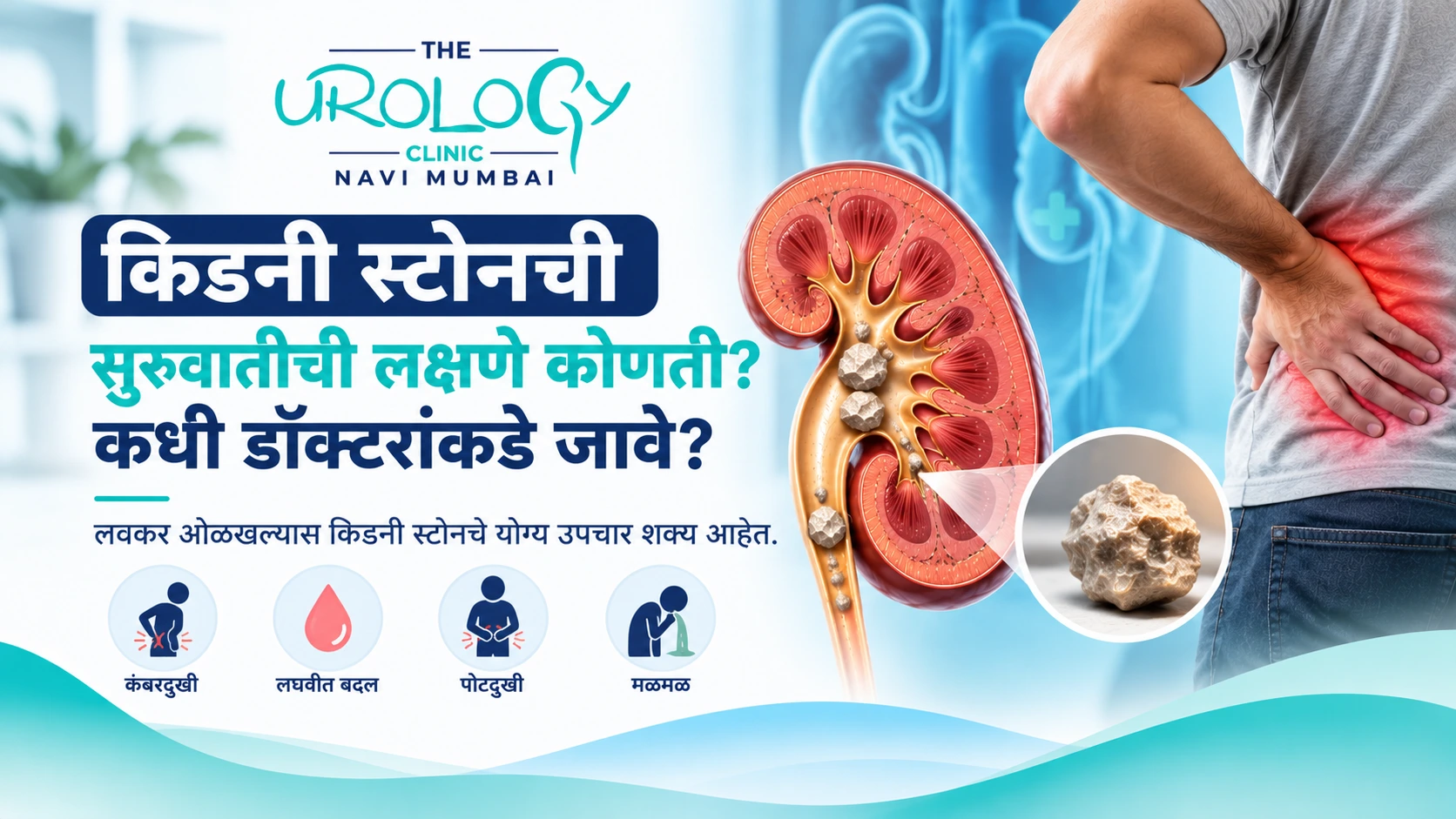


A burning sensation while passing urine can be uncomfortable and may make you worry about your urinary health. It can happen because of a urinary tract infection (UTI), irritation around the urinary opening, dehydration or other medical conditions. Sometimes, the discomfort lasts only briefly, but persistent or recurring symptoms should not be ignored.
The cause of burning sensation while urinating cannot be confirmed from the symptom alone. Paying attention to other signs, such as frequent urination, lower abdominal pain, unusual discharge or fever, can help a healthcare professional decide which tests may be needed. Early assessment is particularly important when symptoms are severe or accompanied by signs of infection.
A UTI occurs when bacteria enter and multiply in parts of the urinary system. It is a common cause of painful or burning urination. Other symptoms may include needing to urinate more frequently, feeling an urgent need to pass urine, lower abdominal discomfort or cloudy urine. Some people may notice blood in their urine.
UTIs are more common in women, but men can also develop them. If an infection spreads to the kidneys, it may cause fever, chills, pain in the side or back, nausea or vomiting. A suspected UTI may require a urine test and, in some cases, a urine culture. Antibiotics may be prescribed when a bacterial infection is confirmed or strongly suspected.
Not drinking enough fluids can make urine more concentrated, which may contribute to discomfort during urination in some people. However, dehydration alone should not be assumed to be the cause of persistent burning. Certain soaps, intimate hygiene products, fragrances or other chemicals can irritate sensitive skin around the genital area and cause stinging.
Drinking adequate water may help if you are dehydrated, unless a healthcare professional has advised you to restrict fluids. Avoid products that appear to trigger irritation and do not use harsh cleansers on the genital area. If the burning continues, seek medical advice rather than relying on hydration or home remedies alone.
Some sexually transmitted infections, including chlamydia and gonorrhoea, can cause burning during urination. Other possible signs include unusual genital discharge, pelvic discomfort, testicular pain or bleeding between periods. However, STIs can also occur without noticeable symptoms.
If an STI is possible, appropriate testing is important because treatment differs from that used for other causes of urinary discomfort. Avoid self-medicating with leftover antibiotics. A healthcare professional can advise on testing, treatment and whether sexual partners also need evaluation.
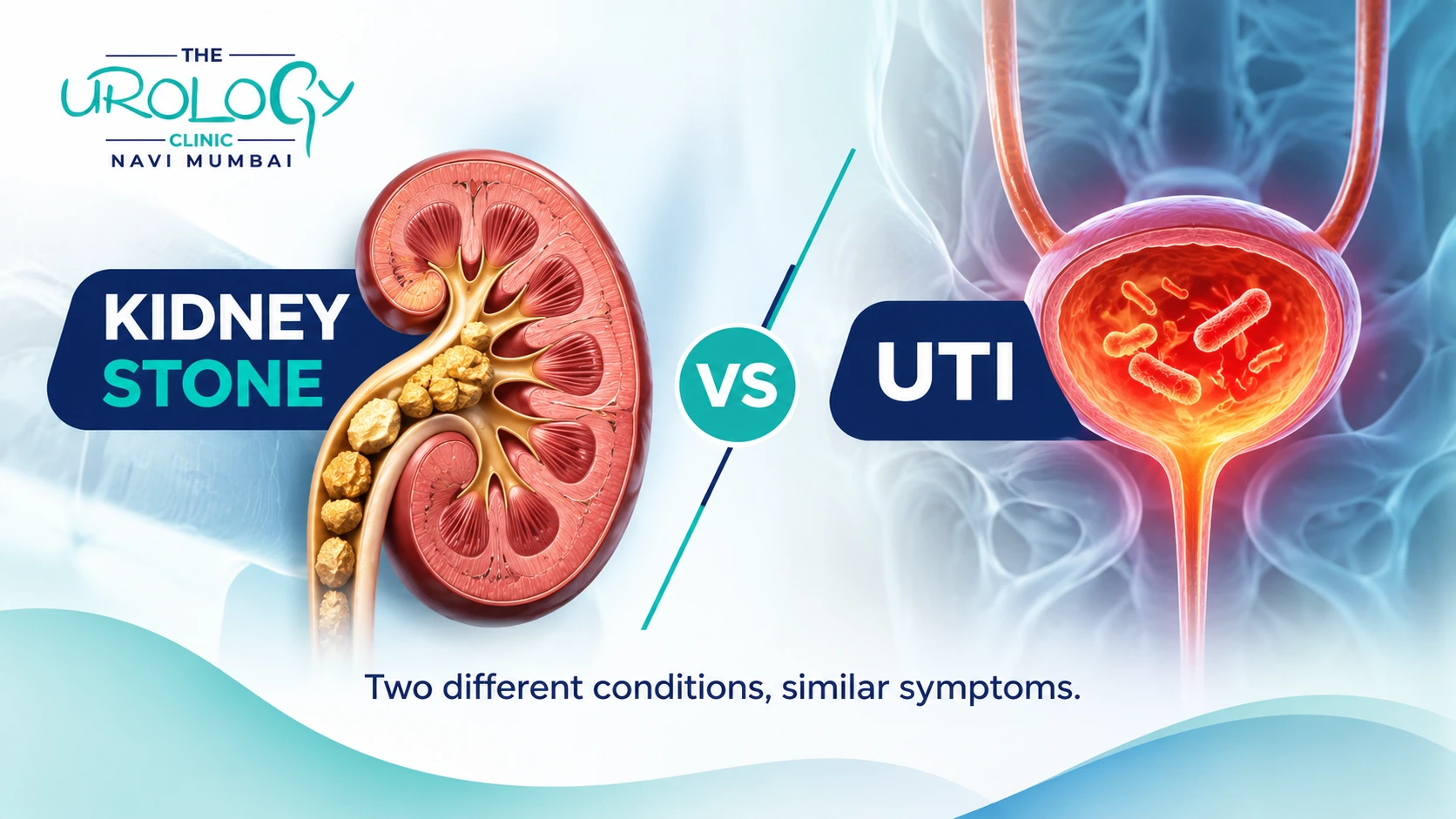
Burning during urination is not always caused by an infection. Kidney or bladder stones may cause pain, blood in the urine, discomfort in the side or back, or difficulty passing urine. Stones may also cause severe pain that comes in waves.
In men, inflammation of the prostate, known as prostatitis, may cause painful urination, difficulty starting the urine stream, pelvic discomfort or fever. Vaginal dryness and inflammation around the genital area can also cause stinging, particularly during or after urination. Less commonly, narrowing of the urethra or other urinary tract conditions may contribute to symptoms.
Because these conditions require different approaches, it is important not to assume that every episode of burning needs the same treatment. A proper assessment helps identify the likely cause.
Some people have a greater chance of developing urinary tract infections or other urinary conditions. Risk factors can include previous UTIs, kidney or bladder stones, diabetes, urinary tract abnormalities and difficulty emptying the bladder completely. Pregnancy can also increase the risk of urinary complications, making timely assessment important when symptoms occur.
Sexual activity and certain contraceptive methods may increase the risk of UTIs in some women. Men with prostate-related problems may experience difficulty emptying the bladder, which can contribute to urinary issues. These risk factors do not necessarily mean that an infection is present, but they may influence the need for testing and follow-up.
A healthcare professional may ask when the symptoms began, whether they occur every time you urinate, and whether you have fever, abdominal pain, discharge or changes in urine colour. Your medical history, current medicines and previous urinary infections may also be relevant.
A urine routine examination can look for signs of inflammation, blood or other abnormalities. A urine culture may be recommended to identify bacteria and help determine which antibiotics are suitable. If an STI is suspected, specific urine or swab tests may be needed. Imaging or other investigations may be considered when stones, blockage or recurrent infections are suspected.
Not everyone needs every test. The choice depends on symptoms, examination findings, age, pregnancy status and other risk factors.
Treatment depends on the underlying cause. A bacterial UTI may require prescribed antibiotics, while an STI needs testing and condition-specific treatment. Completing antibiotics exactly as directed is important, and medication should not be shared or taken without appropriate medical guidance.
If irritation is caused by a hygiene product, stopping the suspected trigger may help. Stone-related symptoms may require pain management, monitoring or a procedure, depending on the stone’s size and location. Prostate or other urinary conditions may need specific treatment based on the diagnosis.
Drink fluids according to your needs and any medical advice you have received. Avoid delaying medical assessment when symptoms persist, return frequently or worsen. Pain relief may reduce discomfort, but it does not necessarily treat the underlying cause.
Arrange a medical assessment if the burning persists, returns repeatedly or occurs alongside frequent urination, unusual discharge, lower abdominal pain or blood in the urine. Seek advice promptly if you are pregnant, have diabetes, have a weakened immune system or are experiencing urinary symptoms as a man, particularly if symptoms are new or worsening.
Seek urgent medical care if painful urination occurs with fever or chills, pain in the side or back, repeated vomiting or feeling seriously unwell. These symptoms may indicate a kidney infection or another condition that needs prompt treatment. Inability to pass urine, especially with painful lower abdominal swelling, requires emergency assessment.
A burning sensation during urination can result from a UTI, irritation, an STI, stones or other urinary conditions. Because the causes require different treatments, persistent symptoms deserve proper assessment rather than guesswork. Recognising warning signs and seeking timely care can help prevent complications and support better urinary health.
Mild irritation may settle when the cause is removed. However, burning caused by a UTI, STI, stone or another medical condition may require treatment. Persistent or worsening symptoms should be evaluated.
No. It may also be associated with irritation, sexually transmitted infections, stones, prostate inflammation or other conditions. Testing can help identify the cause.
A urine test is commonly used, and a urine culture may be needed to check for bacterial infection. Specific STI tests or imaging may be recommended depending on symptoms and medical history.
Drinking adequate fluids and avoiding irritating products may help in some cases, but home care cannot treat every cause. Do not use leftover antibiotics or delay assessment if symptoms persist or warning signs develop.


About The Urology Clinic Navi Mumbai
The Urology Clinic Navi Mumbai, led by Dr. Ninad Tamboli, a trusted urologist in Navi Mumbai, is your destination for expert urological care. Specializing in advanced treatments for urinary and reproductive health.
We’re here to assist you! Reach out to us for appointments, inquiries, or detailed information about our services: