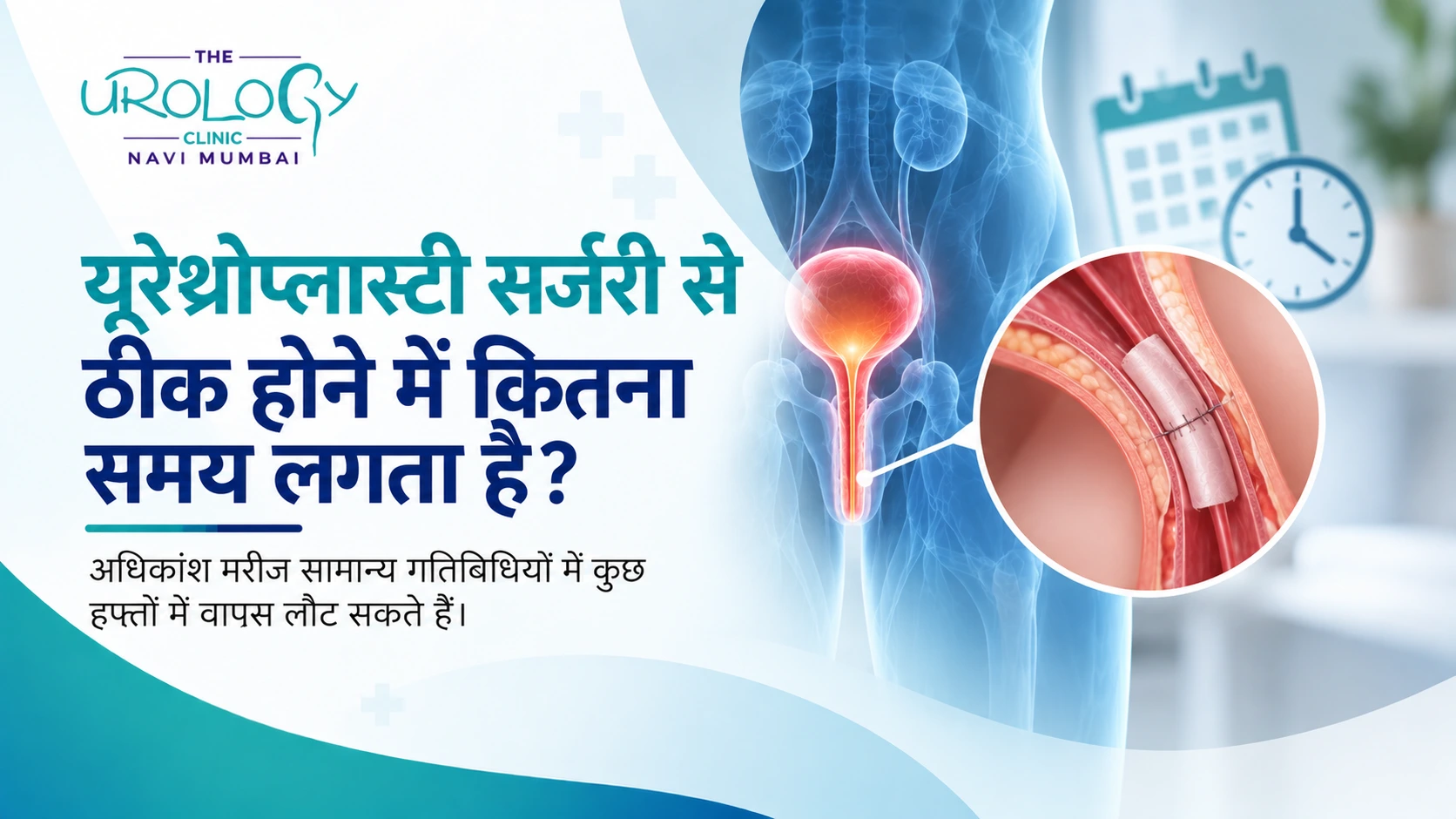
Dr. Ninad Tamboli — Urologist in Navi Mumbai
I’m Dr. Ninad Tamboli, and I practise urology in Navi Mumbai. I’ve been at this for more than 10 years now, and in that time I’ve treated pretty much every kind of urinary and male reproductive health condition you can imagine.
My day to day work covers kidney stones, prostate problems, urinary tract infections, urinary incontinence, male infertility, erectile dysfunction, urethral strictures, and urological cancers. I’ve also built up a fair amount of experience in minimally invasive and endoscopic procedures over the years.
Here’s what I’ve learned watching patients walk through my door again and again: urinary problems have a way of quietly taking over someone’s life. Getting up four times a night. Infections that keep coming back no matter what you try. A stream that just isn’t what it used to be. None of it sounds dramatic on paper, but live with it for six months and tell me it doesn’t wear you down. My approach starts with figuring out what’s actually causing the problem, not just treating the symptom in front of me, and then talking through what options actually make sense for that particular person.
I did my MBBS in Pune, then went on to Sion Hospital in Mumbai for my MS in General Surgery. From there I moved into urology specifically, through MCh Urology and DNB Urology.
Male infertility became a particular interest of mine, enough that I completed a Master’s in it. That training shaped a lot of how I think about male reproductive health today.
In 2020, the Urological Society of India awarded me the American Urological Association Traveling Fellowship. I’ve never really believed in standing still in this field. Urology changes fast, techniques evolve, and staying sharp means treating education as ongoing, not something you finish and file away.
Stones are one of the most common things that bring people to me. What I recommend depends heavily on the size, location, and number of stones involved. Sometimes that means simply watching and waiting with medication. Other times it means ureteroscopy, laser treatment, or another minimally invasive procedure.
Benign prostate enlargement and other prostate related urinary issues come up constantly in my practice. A weak stream, needing to go more often, trouble getting started, waking up repeatedly at night: these aren’t just things you accept as part of getting older. I’d push back on anyone who tells you otherwise.
There’s rarely one obvious cause behind male infertility, which is exactly why guessing based on symptoms alone doesn’t get anyone very far. My background in this area lets me dig into what’s actually going on and lay out real treatment options, rather than offering vague reassurance.
Men tend to sit on this one longer than almost any other issue I see. I get it, it’s uncomfortable to bring up. But I treat it the same way I’d treat anything else: proper evaluation, an honest conversation, and a plan built around the actual cause.
Recurrent infections, incontinence, urethral strictures, bladder issues: this is a big part of what I handle week to week.
When surgery is genuinely needed, I lean toward minimally invasive options wherever they fit the patient’s situation. My training spans endourology, laparoscopic and minimally invasive surgery, and procedures for stones, ureteric strictures, and bladder conditions.
I’ll say this plainly: the newest or most complicated procedure isn’t automatically the right one. It has to fit the person in front of me, their condition, their history, their overall health. Anything less than that isn’t really medicine, it’s just showing off.
Most people don’t walk into a clinic the moment something feels off. They open their phone and start typing questions into a search bar instead, often for months before they ever see a doctor.
That’s really the reason I write. My blogs work through kidney stones, prostate health, urinary infections, male infertility, erectile dysfunction, and the procedures tied to all of it.
I try to keep the language plain. Medical terms have a way of making a simple question sound far more complicated than it is, and that’s the opposite of what I’m going for. I’d rather someone finish a blog actually understanding their own symptoms, and knowing when it’s time to stop searching and see a urologist.
A good consultation is more than a diagnosis handed across a desk.
I want patients to understand what’s happening in their own body, why I’m asking for a particular test, and what their real options are. That means explaining things clearly enough that people can actually take part in decisions about their own care, not just nod along.
Not every problem needs surgery. Sometimes it’s medication, sometimes lifestyle changes, sometimes just monitoring things for a while. When a procedure is the right call, I walk through why, what recovery looks like, and what the real risks are, no sugarcoating.
What I publish here comes from established urological knowledge, meant to help patients make sense of common conditions and what their options actually are.
I also know online information only goes so far. A single symptom can point to several different causes, and the same condition can call for different treatment in different people.
Which is why I’d never want these blogs used for self-diagnosis. Think of them as a starting point, something that helps you walk into your doctor’s office with better questions.
Urology doesn’t sit still. New techniques, new diagnostic tools, new treatment approaches show up more often than people realize.
I go back and review what’s published here when it needs it, so patients aren’t reading something that quietly went out of date.
Blood in your urine. Infections that keep returning. Trouble passing urine. Pain that won’t quit. A change in sexual function. If any of this sounds familiar, don’t talk yourself into ignoring it just because it feels manageable for now.
A search engine can give you a rough idea of what a symptom might mean. It cannot tell you what’s actually causing yours.
For that, you need an actual consultation, an exam, the right tests. If something about your urinary or reproductive health has been nagging at you, talking to a qualified urologist is the next right step, not another late night search session.
What I’m really trying to do with this website is make urology a little less intimidating, so people can approach their own health with more clarity and a lot less guesswork.
The information on this website is meant for general educational purposes. It isn’t a substitute for professional medical advice, diagnosis, or treatment. Urological conditions vary in cause and in the treatment they need, so please consult a qualified urologist for an assessment of your specific situation.
Kidney stones, prostate problems, urinary infections, male infertility, erectile dysfunction, or any other urological concern: if you’re dealing with it, I’m happy to help you work through it.
I’ll assess your condition, walk you through the treatment options that make sense, and help you figure out what to do next based on what you actually need, not a one size fits all script.
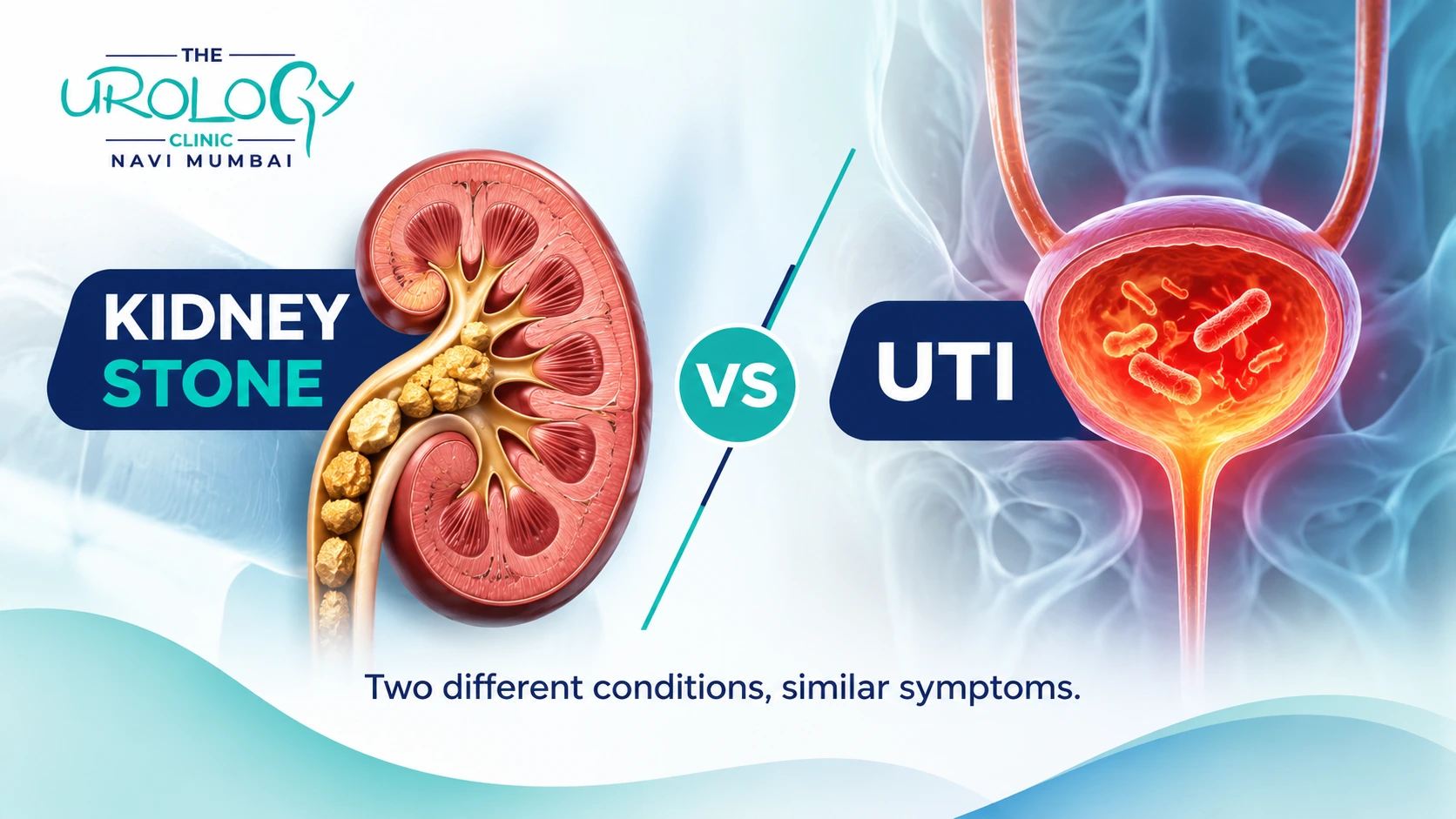
Comparison of Kidney Stone vs UTI
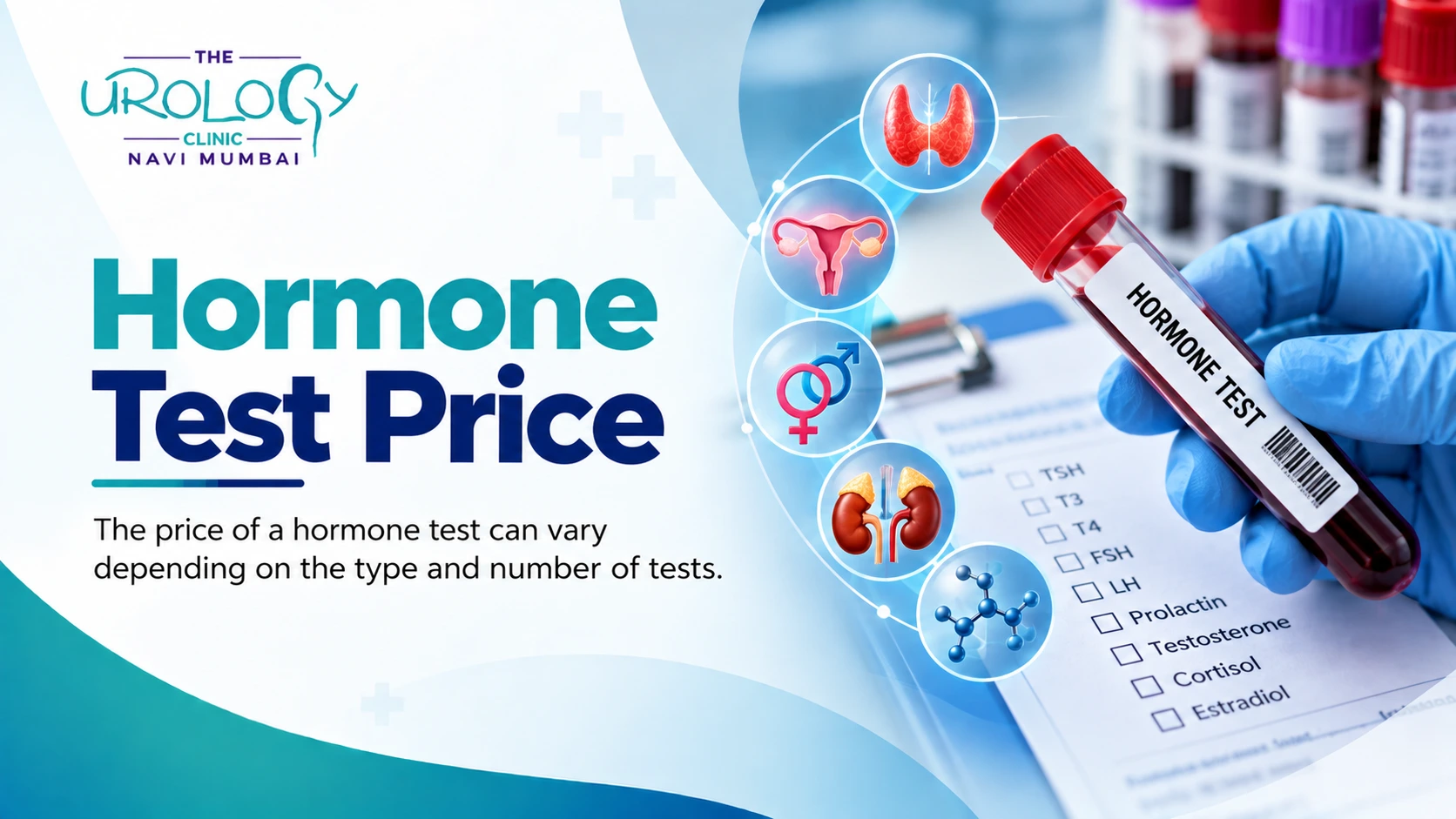
Hormone Test Price: Types, Costs and Testing Factors