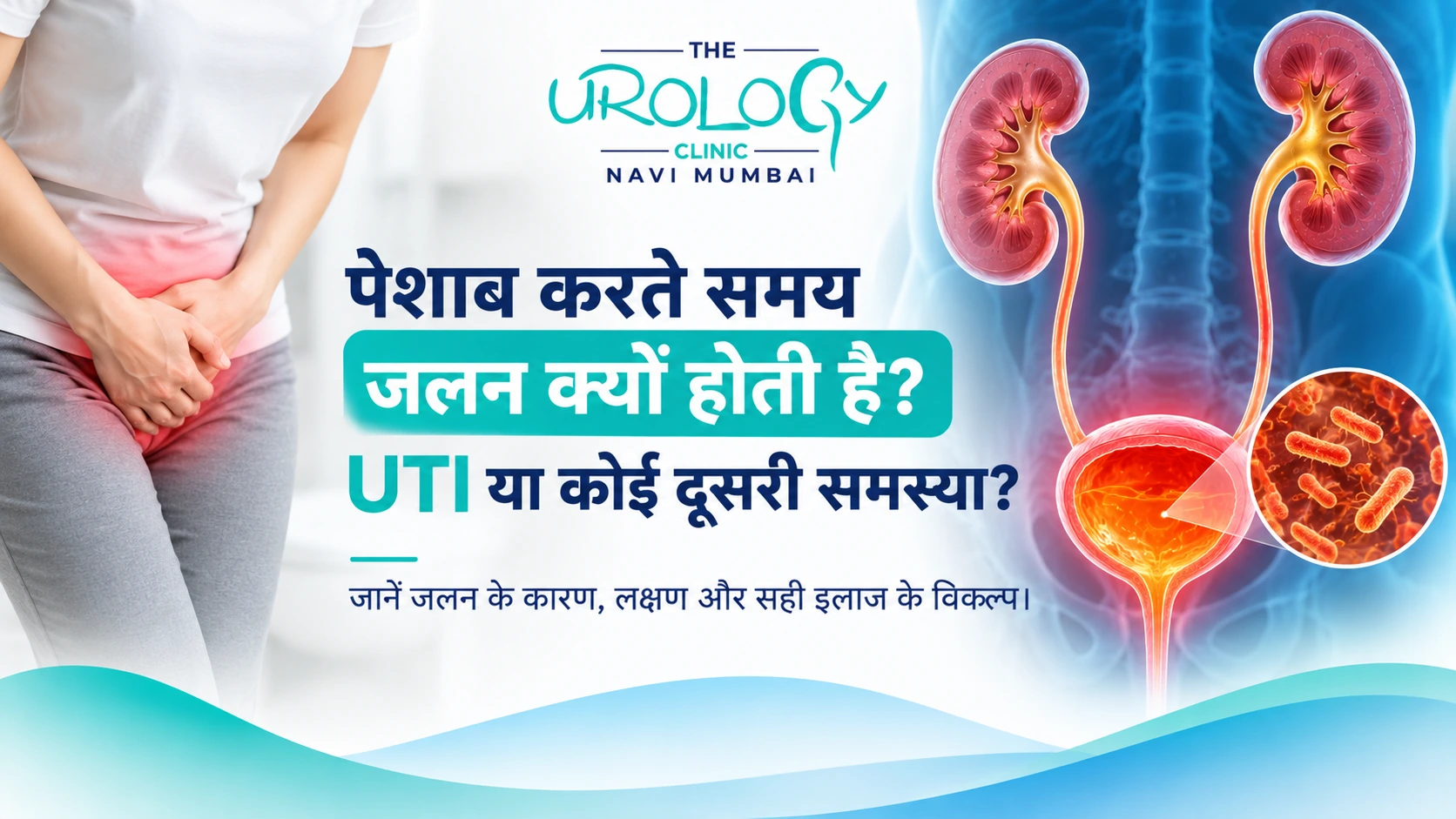


Kidney stones can affect anyone, but the symptoms may sometimes be confused with urinary tract infections, menstrual discomfort, or other urinary problems in women. A kidney stone forms when certain minerals and salts in urine become concentrated and form hard crystals. A small stone may pass without causing noticeable symptoms, while a larger stone can cause significant pain when it moves through the urinary tract.
Recognising the symptoms early can help women seek appropriate medical care before complications develop. The location and size of the stone often determine how symptoms appear.
The symptoms can vary depending on whether the stone is still inside the kidney or has moved into the ureter. One of the most noticeable symptoms is sudden, intense pain in the side or back. The pain may come in waves and can shift toward the lower abdomen or groin as the stone moves.
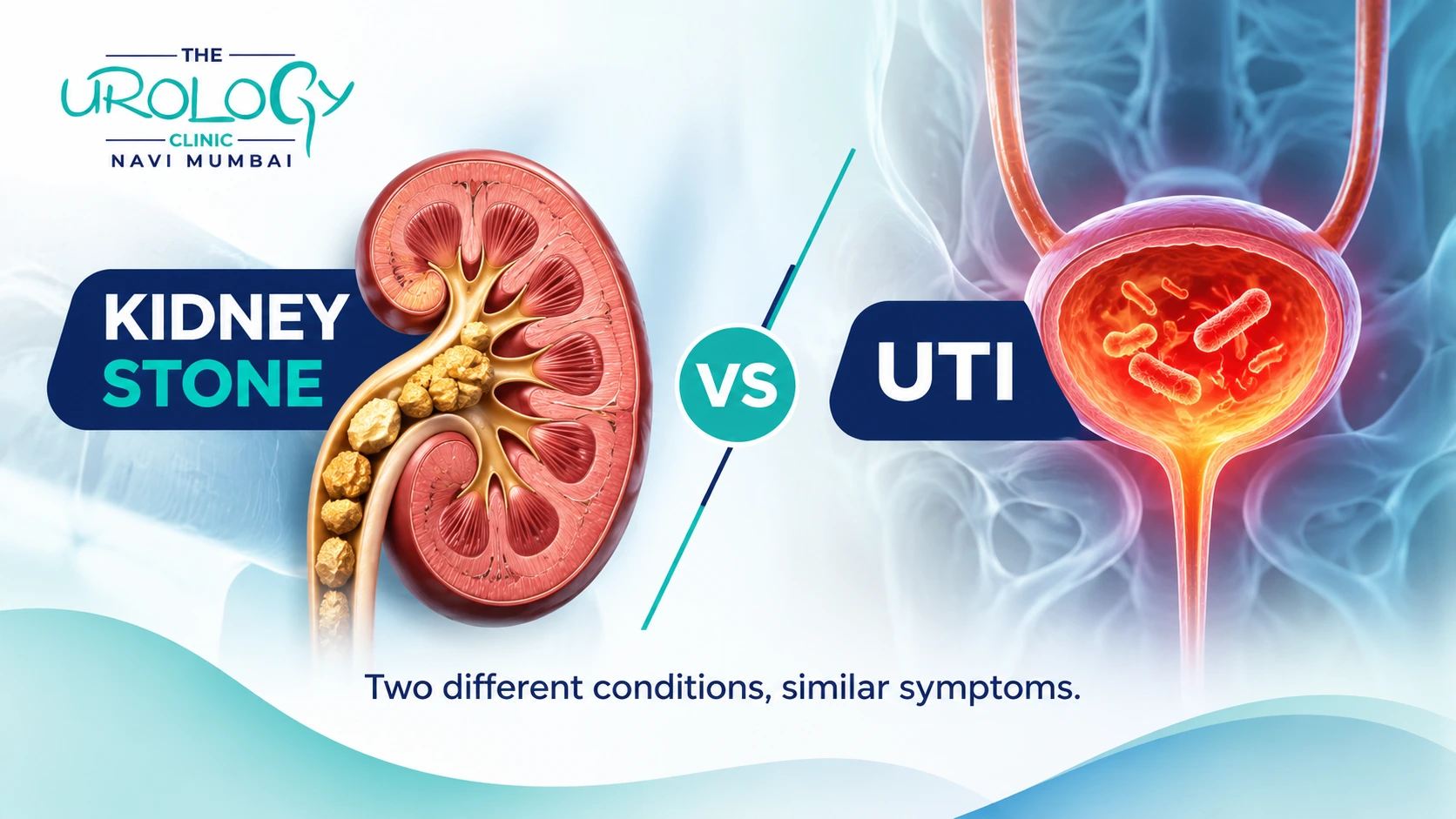
Some women experience a burning sensation while urinating. There may also be a frequent or urgent need to urinate, particularly when the stone is located close to the bladder. These urinary symptoms can resemble a UTI, which is why proper evaluation is important.
Blood in the urine is another possible sign. Urine may appear pink, red, or brown, although blood may sometimes only be detected through a urine test. Nausea and vomiting can occur when severe kidney stone pain affects the body.
Kidney stone pain is often felt in the back or side, usually below the ribs. It may begin suddenly and become severe. Unlike ordinary muscle pain, renal colic caused by a moving stone can come and go in waves.
As the stone travels down the ureter, the pain may move toward the lower abdomen, pelvis, or groin. Some women may also experience discomfort around the vaginal or pelvic region, depending on where the stone is located.
The intensity of pain does not necessarily indicate the size of the stone. Even a relatively small stone can cause severe pain if it becomes lodged in a narrow part of the urinary tract.
When a stone moves toward the lower urinary tract, it can cause changes in urination. A woman may feel an urgent need to urinate or need to visit the bathroom more frequently than usual.
Pain or burning while urinating can also occur. In some cases, urine may appear cloudy or have an unusual smell, particularly if an infection is also present.
These symptoms can overlap with a urinary tract infection, so it is not advisable to assume that every episode of painful urination is caused by a UTI. A doctor may recommend urine testing and imaging to determine the actual cause.
Yes. Severe kidney stone pain can be accompanied by nausea and vomiting. The nerves supplying the kidneys and gastrointestinal tract are connected, and intense pain can trigger digestive symptoms.
Nausea may occur alongside waves of back or abdominal pain. Vomiting can become concerning if it prevents a woman from drinking enough fluids, particularly when the urinary tract is already obstructed.
If severe pain is accompanied by repeated vomiting, medical evaluation is important to prevent dehydration and assess whether the stone is blocking urine flow.
Diagnosis usually starts with a review of symptoms and a physical examination. A doctor may ask about the location and pattern of pain, urinary symptoms, previous kidney stones, fluid intake, and other relevant health factors.
A urine test can check for blood, signs of infection, and substances associated with stone formation. Blood tests may also be recommended to assess kidney function and identify certain metabolic abnormalities.
Imaging tests such as ultrasound or CT scans can help identify the location and size of a kidney stone and determine whether it is causing an obstruction. The choice of imaging depends on the individual situation.
Kidney stones develop when substances in urine become concentrated enough to form crystals. Several factors can increase the likelihood of stone formation.
Low fluid intake makes urine more concentrated, increasing the chance that minerals will form crystals. Regular hydration is an important part of kidney stone prevention.
A diet high in sodium can increase the amount of calcium released into urine, which may contribute to certain types of kidney stones. Limiting excess salt can therefore be helpful for people who are prone to stones.
Depending on the type of stone, high intake of certain foods or excessive animal protein may contribute to stone formation. Dietary recommendations should ideally be based on the type of stone and individual risk factors.
Women who have previously developed kidney stones may have a greater risk of developing them again. A family history of kidney stones can also increase susceptibility.
Some medical conditions can alter the balance of minerals and chemicals in urine, increasing the risk of stones. Recurrent stones may therefore require evaluation for underlying causes.
Mild symptoms may sometimes occur with a small stone that can pass naturally, but severe or persistent symptoms should be medically assessed. Immediate attention is particularly important when intense pain occurs with fever or chills.
Fever and chills can indicate a urinary infection. When infection occurs alongside urinary obstruction, it can become a serious medical problem requiring urgent treatment.
Medical evaluation is also recommended if there is persistent vomiting, difficulty passing urine, significant blood in the urine, worsening pain, or symptoms that do not improve.
Treatment depends on the stone’s size, location, composition, symptoms, and whether it is causing obstruction or infection. Small stones may sometimes pass naturally with appropriate hydration and medicines prescribed for pain or other symptoms.
Larger stones or stones that do not pass may require a procedure. Depending on the situation, treatment options can include shock wave lithotripsy, ureteroscopy, or other minimally invasive procedures.
The treatment approach should be selected after imaging and medical assessment rather than based only on the severity of pain.
Adequate fluid intake is one of the most important preventive measures. Drinking enough water throughout the day helps dilute urine and can reduce the concentration of stone-forming substances.
Reducing excessive salt intake and maintaining a balanced diet can also help. Women who have had a kidney stone may benefit from a stone analysis and, in recurrent cases, additional urine or blood testing to identify specific risk factors.
Prevention is not identical for everyone because different types of kidney stones require different dietary approaches.
Urology Navi Mumbai provides urological evaluation and treatment for urinary and kidney-related conditions. Kidney stone care may involve assessing symptoms, conducting appropriate diagnostic tests, identifying the stone’s size and location, and selecting a suitable treatment approach.
A personalised evaluation is important because similar symptoms can occur with urinary infections and other urinary conditions. Appropriate diagnosis can help determine whether monitoring, medication, or a minimally invasive procedure is required.
Kidney Stone Symptoms in Women can range from sudden side or back pain and painful urination to blood in the urine, nausea, and urinary urgency. Because these symptoms can overlap with UTIs and other urinary conditions, persistent or severe symptoms should be evaluated by a urologist. Early diagnosis can help determine the right treatment and reduce the risk of complications.
Sudden, severe pain in the side or back is one of the most common symptoms. The pain may move toward the lower abdomen or groin as the stone travels through the urinary tract.
Yes. Kidney stones can cause burning urination, frequent urination, urgency, and blood in the urine, which can resemble a UTI. Testing can help distinguish between the conditions.
Yes. A kidney stone can irritate the urinary tract and cause blood in the urine. It may appear pink, red, or brown, or may only be detected through a urine test.
Yes. Frequent or urgent urination can occur when a stone moves closer to the bladder. However, urinary infections and other conditions can cause similar symptoms.
Kidney stone pain can be extremely intense and typically differs from menstrual cramps. It often occurs suddenly, comes in waves, and may radiate from the back or side toward the abdomen or groin.
About The Urology Clinic Navi Mumbai
The Urology Clinic Navi Mumbai, led by Dr. Ninad Tamboli, a trusted urologist in Navi Mumbai, is your destination for expert urological care. Specializing in advanced treatments for urinary and reproductive health.
We’re here to assist you! Reach out to us for appointments, inquiries, or detailed information about our services: