

Urinary symptoms should never be ignored, especially when they continue for months. Increased urinary frequency, difficulty passing urine, a weak urine stream, or a feeling that the bladder is not emptying properly may appear to be routine problems with age, but they can sometimes indicate an underlying urinary condition that requires medical attention.
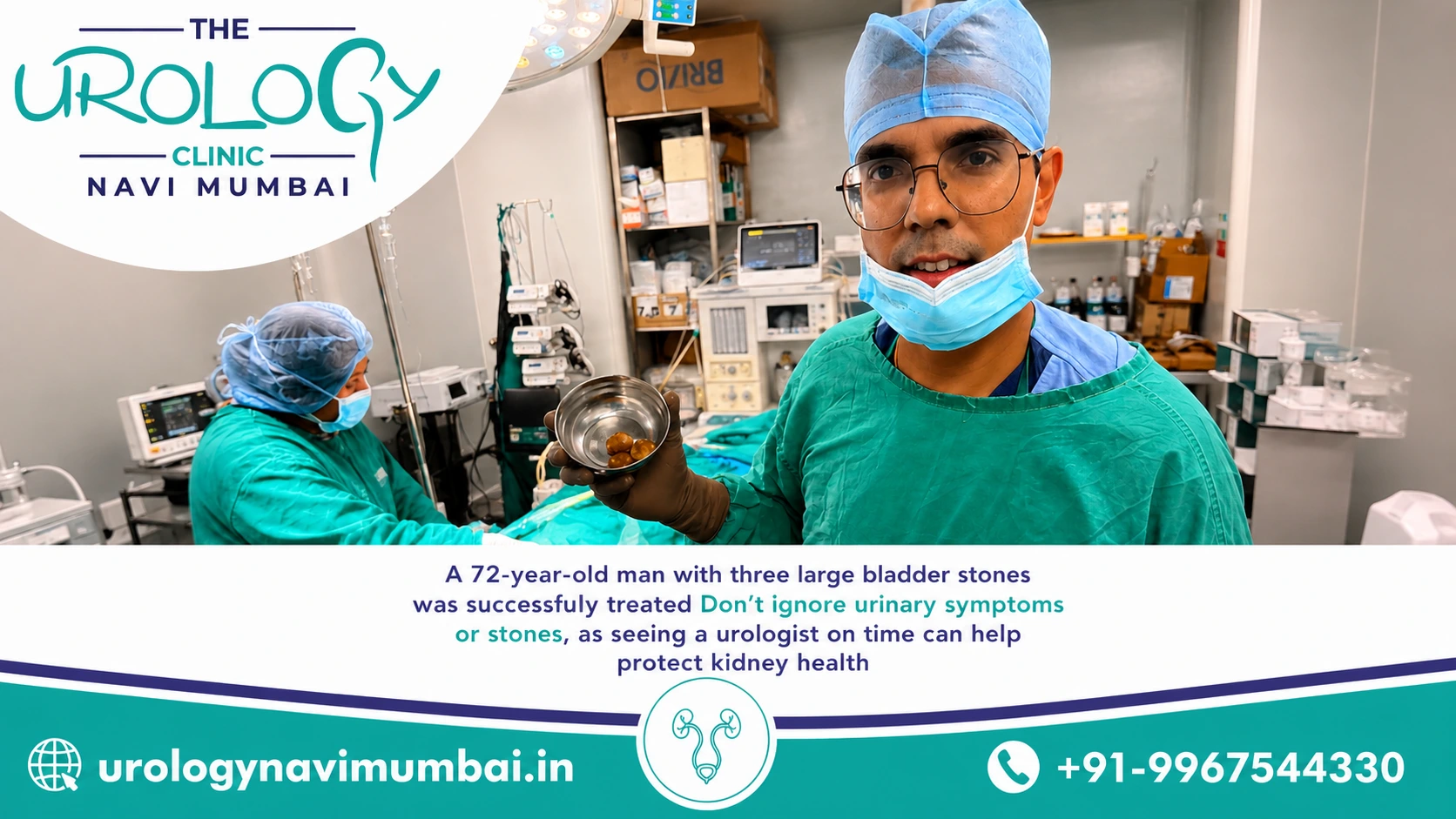
A recent case highlights why timely urological evaluation is important. A 72-year-old man presented with increased urinary frequency and difficulty passing urine that had continued for approximately one year. Further evaluation with sonography revealed three large stones in the urinary bladder. The stones were subsequently removed successfully through appropriate surgical treatment.
This case is a reminder that persistent urinary symptoms can have an underlying cause. Bladder stones, prostate enlargement, urinary obstruction, infections and other urinary tract conditions can produce similar symptoms. Getting the right diagnosis helps determine the appropriate treatment.
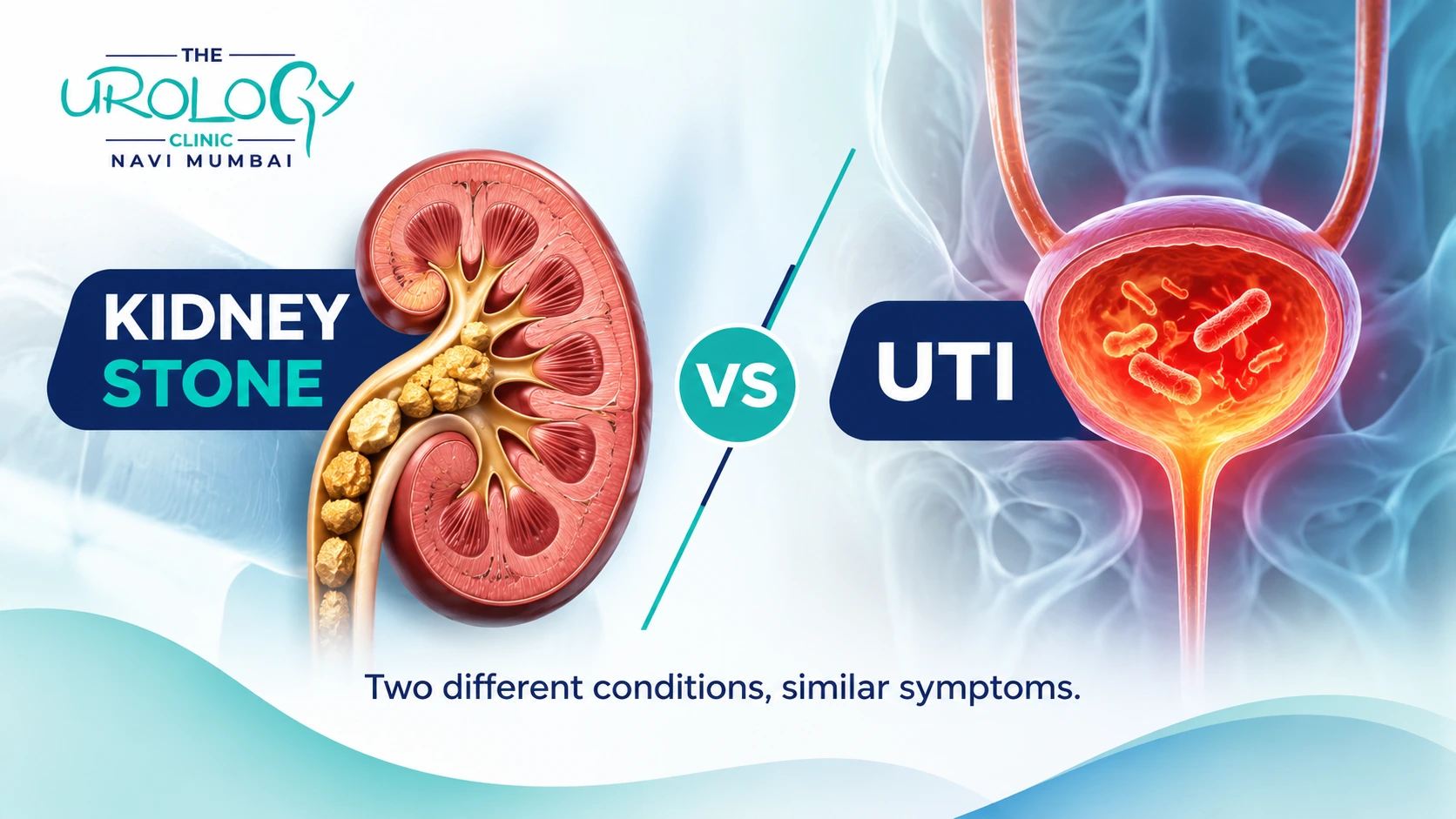
Bladder stones are hard masses that develop when minerals in urine crystallize and accumulate inside the urinary bladder. They are different from kidney stones, although stones that form in the kidneys can travel through the urinary tract. Bladder stones commonly develop when the bladder does not empty completely, allowing concentrated urine and mineral deposits to remain inside the bladder for longer periods.
When urine remains in the bladder instead of being completely passed, minerals can gradually form crystals. Over time, these crystals may combine and grow into stones. Some bladder stones are small and may pass naturally, while larger stones generally require medical treatment and removal.
In older men, one important underlying cause can be an enlarged prostate. An enlarged prostate may narrow the urinary passage and make it difficult for the bladder to empty completely. This can create conditions in which bladder stones develop. Other causes include urinary tract infections, nerve-related bladder problems, bladder diverticula and certain medical devices such as catheters.
The patient had been dealing with frequency and difficulty passing urine for about a year. It’s easy to mistake symptoms like these for normal aging, which is exactly why persistent urinary problems deserve a proper look rather than being ignored.
Sonography was the piece that cracked it open, showing three large stones inside the bladder. Ultrasound is one of the more common tools used to spot them, though depending on findings, a urologist might also order urine tests, blood tests, CT scans, or a cystoscopy.
Why does the diagnosis matter so much? Because frequent urination and difficulty passing urine don’t automatically mean bladder stones. The same symptoms can show up with an enlarged prostate, an infection, or other bladder conditions entirely. Which is exactly why a proper exam and the right tests aren’t optional, they’re the whole point.
Small stones sometimes cause almost nothing. But as a stone grows, or starts irritating the bladder lining, symptoms tend to become harder to ignore: frequent urination, pain or burning while urinating, trouble starting or keeping a steady stream, discomfort low in the abdomen, blood in the urine, and infections that keep coming back.
Difficulty passing urine deserves particular attention in older men. It can signal that urine isn’t flowing the way it should, and if the bladder keeps failing to empty completely, that retained urine is exactly what feeds new stones. So if someone finds themselves dealing with this persistently, the answer isn’t to assume it’s just age. A proper urological assessment gets to the bottom of it.
The biggest factor behind most bladder stones is incomplete emptying of the bladder. When urine lingers instead of leaving fully, it becomes concentrated, and that’s when minerals start crystallizing into stones. In older men, an enlarged prostate is one of the most frequent culprits. Other contributors include nerve issues affecting bladder function, recurring infections, structural abnormalities, and certain urinary devices.
This is exactly why removing a stone isn’t always the end of the story. The underlying reason it formed also needs to be worked out, or there’s a real chance the stones come back.
Diagnosis usually starts with a detailed look at symptoms and history: how often someone urinates, whether starting is difficult, whether the stream has weakened, whether there’s pain or blood. From there, urine tests, ultrasound, CT scans, or cystoscopy help confirm what’s going on and, just as important, why.
Treatment depends on the size and number of stones, their location, and the underlying cause. Small stones sometimes pass naturally. Larger ones usually need removal, often through a procedure called cystolitholapaxy, where a thin, camera equipped instrument is passed through the urinary passage, the stone is broken into smaller pieces using a laser or similar technique, and the fragments are removed or flushed out. Particularly large or hard stones sometimes call for a different surgical approach, decided case by case.
In this instance, the three stones found on sonography were removed successfully through surgery. That solved the immediate problem, but follow up is still what helps manage whatever caused the stones to form in the first place.
Bladder stones mostly stay contained to the bladder, but untreated urinary problems shouldn’t be taken lightly. They can lead to ongoing irritation, blocked urine flow, and recurring infections, all of which put extra strain on the urinary system. Worth clarifying: bladder stones aren’t the same as kidney stones, though both involve the urinary system and are worth having checked.
Preventing future stones starts with addressing whatever caused them. Staying adequately hydrated helps keep urine less concentrated, though the right amount varies by individual health. It also helps to avoid regularly holding urine for long stretches, and to check in with a doctor if the bladder ever feels like it isn’t emptying fully. If an enlarged prostate or another condition is behind it, treating that condition is a major part of keeping stones from returning.
Picking the right urologist matters when dealing with urinary stones, prostate issues, or anything else affecting the urinary system. The Urology Clinic Navi Mumbai, led by Dr. Ninad Tamboli, Urologist in Vashi, offers specialized care built around accurate diagnosis and minimally invasive techniques. Dr. Ninad Tamboli holds an MBBS, MS in General Surgery, MCh in Urology, and DNB in Urology, along with specialized training through a Master’s in Male Infertility. He has over ten years of experience and has performed 300+ successful surgeries, according to the clinic’s website.
The focus at the clinic isn’t only solving the immediate urinary problem, it’s identifying what might cause it to happen again. Anyone dealing with persistent difficulty passing urine, frequent urination, or blood in the urine would do well to consult a urologist and figure out the right next step.
This 72 year old man’s case shows why urinary symptoms shouldn’t be dismissed as a normal part of aging. He lived with these symptoms for a year before sonography revealed three large bladder stones, which were then removed successfully. Whatever the underlying cause turns out to be, the right treatment always starts with an accurate diagnosis. If urinary symptoms are sticking around, seeing a urologist sooner rather than later can go a long way toward protecting the health of the urinary system.
Bladder stones are hard mineral deposits that form inside the urinary bladder, usually when urine is not completely emptied and becomes concentrated. They can vary in size and may cause urinary symptoms when they irritate the bladder or interfere with urine flow.
Common symptoms include frequent urination, difficulty passing urine, pain or burning during urination, lower abdominal discomfort, blood in urine and recurrent urinary tract infections. Some people may also experience interrupted urine flow.
Yes. Bladder stones are more common in men, particularly older men. One reason is that prostate enlargement can interfere with bladder emptying and contribute to stone formation.
Small bladder stones may sometimes pass naturally, but larger stones usually require removal. The appropriate treatment depends on the size of the stone, symptoms and the underlying cause.
Depending on the case, bladder stones may be broken into smaller pieces and removed using an endoscopic procedure, or another surgical approach may be recommended for particularly large or hard stones.
Yes. Bladder stones can recur if the underlying cause, such as incomplete bladder emptying or urinary obstruction, is not addressed. Follow-up with a urologist can help identify and manage factors that may increase the risk of recurrence.

About The Urology Clinic Navi Mumbai
The Urology Clinic Navi Mumbai, led by Dr. Ninad Tamboli, a trusted urologist in Navi Mumbai, is your destination for expert urological care. Specializing in advanced treatments for urinary and reproductive health.
We’re here to assist you! Reach out to us for appointments, inquiries, or detailed information about our services: