
Urethral Dilation: What You Should Know Before the Procedure
Problems like difficulty while passing urine, a weak urine stream, or repeated discomfort during urination can affect your daily routine and quality of life. In some cases, these symptoms may happen because of a narrowing in the urinary passage, which requires proper diagnosis and medical care.
For certain patients, doctors may recommend urethral dilation to help widen the narrowed area and improve urine flow. Understanding the procedure, benefits, and recovery process can make you feel more prepared before treatment. At The Urology Clinic, patients receive expert evaluation, personalized guidance, and supportive care throughout their treatment journey.
What Is Urethral Dilation?
Urethral dilation is a procedure used to treat narrowing of the urethra, the tube responsible for carrying urine from the bladder out of the body. When the urethra becomes narrow, it can restrict normal urine flow and cause uncomfortable urinary symptoms.
During the procedure, the urologist carefully widens the narrowed section using specialized medical instruments. The treatment is planned after a detailed examination to ensure it is suitable for the patient’s condition.
Why Is Urethral Dilation Done?
Urethral dilation is commonly performed to manage urethral strictures, a condition where scar tissue or narrowing affects the urinary passage. This may develop due to infections, injuries, inflammation, or previous medical treatments.
The main purpose of the procedure is to open the narrowed area, support better urine flow, and reduce symptoms that interfere with everyday comfort.
When Is Urethral Dilation Recommended?
A urologist may suggest urethral dilation when symptoms indicate that the urethra is restricted and affecting normal urination.
Weak Urine Flow
A slow or reduced urine stream can occur when narrowing blocks the smooth passage of urine. Proper treatment can help restore better flow.
Difficulty Passing Urine
Taking longer to start urination or feeling that the bladder is not fully empty may be a sign that medical attention is needed.
Frequent Urination
An increased need to urinate or changes in normal urinary habits can sometimes be related to urethral narrowing.
Pain or Discomfort While Urinating
Pain, burning, or pressure while passing urine may indicate irritation or blockage in the urinary system.
Repeated Urinary Problems
Frequent urinary infections or ongoing urinary concerns should be evaluated to identify the exact cause and suitable treatment.
Benefits of Urethral Dilation
Urethral dilation can help patients experience better urinary function and relief from symptoms caused by a narrowed urethra.
Improved Urine Flow
By widening the narrowed area, the procedure helps urine pass more smoothly and comfortably.
Relief from Urinary Discomfort
Many patients notice improvement in symptoms like pressure, difficulty urinating, and discomfort after treatment.
Better Bladder Emptying
Improved urine flow allows the bladder to empty more effectively, reducing related urinary concerns.
Less Invasive Treatment Option
Compared to some surgical treatments, urethral dilation is a minimally invasive approach for suitable patients.
How Is Urethral Dilation Performed?
Before starting treatment, the urologist evaluates the patient’s symptoms and may recommend certain tests to understand the level of narrowing.
During urethral dilation, special instruments are gently inserted into the urethra to gradually stretch and widen the affected area. The procedure is performed with proper medical care to maintain patient safety and comfort.
After treatment, the doctor provides instructions regarding recovery, medications, hygiene, and follow-up visits.
Recovery After Urethral Dilation
Recovery after urethral dilation depends on the patient’s overall health and the severity of the condition. Mild discomfort, temporary burning, or slight changes during urination may occur for a short time after the procedure.
Following the recommended care instructions helps support smooth healing.
Recovery Care Tips
- Drink fluids as advised by your doctor
- Take prescribed medicines on time
- Maintain proper personal hygiene
- Avoid restricted activities during recovery
- Visit your doctor for scheduled follow-ups
Are There Any Risks of Urethral Dilation?
Urethral dilation is generally considered a safe procedure, but like any medical treatment, there can be some possible risks. These may include temporary discomfort, minor bleeding, infection, or the chance of narrowing returning in some patients.
A proper diagnosis, experienced medical care, and following aftercare instructions can help improve treatment outcomes.
Why Choose The Urology Clinic?
At The Urology Clinic, every patient receives care focused on comfort, safety, and accurate diagnosis. The treatment approach begins with understanding each patient’s symptoms and recommending solutions based on their individual needs.
With experienced urology specialists and advanced facilities, the clinic focuses on providing reliable treatment along with clear communication and continuous support.
Conclusion
Urethral dilation is a helpful treatment option for improving urine flow and managing symptoms caused by narrowing of the urethra. Knowing what happens during the procedure and recovery can help patients approach treatment with confidence.
At The Urology Clinic, patients receive expert care, detailed evaluation, and personalized treatment designed to support better urinary health and overall comfort.
FAQs
Is urethral dilation painful?
The procedure is performed with proper medical care to reduce discomfort. Some patients may feel mild soreness afterward, which usually improves with time
How long does urethral dilation take?
The duration may vary depending on the condition, but the procedure is usually completed within a short time.
Who may need urethral dilation?
People experiencing symptoms such as weak urine flow, difficulty passing urine, or problems caused by urethral narrowing may require this treatment.
Is urethral dilation a permanent treatment?
The results differ for each patient. Some experience long-term improvement, while others may need additional care if narrowing occurs again.
When should I visit a urologist?
You should consult a urologist if you notice ongoing urinary problems, pain while urinating, weak flow, or repeated infections.
Dr. Ninad Tamboli
Author
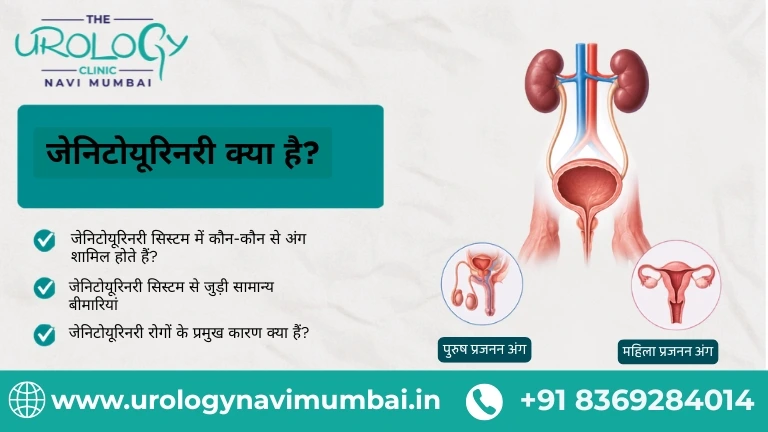
जेनिटोयूरिनरी क्या है?

Foods That Increase the Risk of Kidney Stones

Urology Laser Treatment

Do kidney stones cause back pain