


Urinary tract issues can sometimes go beyond discomfort and start affecting kidney health. One such condition happens when urine flows in the wrong direction—from the bladder back toward the kidneys. This can increase the risk of infections and, if left untreated, may lead to long-term damage.
In such situations, ureteral reimplantation is often recommended as a reliable surgical solution. Knowing what the procedure involves can make a big difference in how prepared and confident you feel. At The Urology Clinic, the focus is on accurate diagnosis, advanced surgical care, and treatment plans tailored to each patient’s needs.
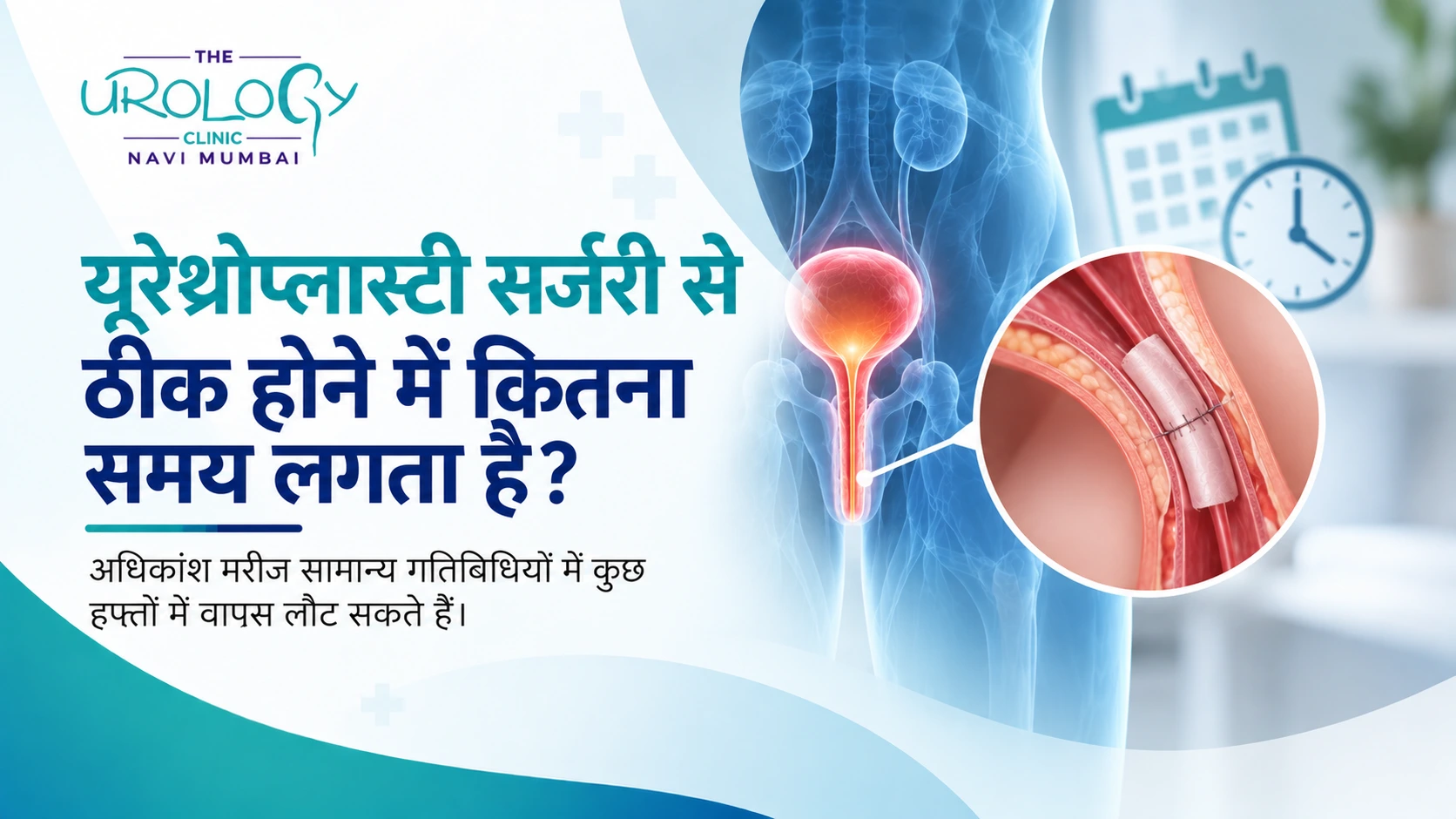
Ureteral reimplantation is a surgical procedure that involves repositioning the ureter, the tube that carries urine from the kidney to the bladder, so that urine flows in the correct direction.
Under normal conditions, the ureter connects to the bladder in a way that prevents urine from flowing backward. However, when this mechanism doesn’t work properly, a condition known as vesicoureteral reflux (VUR) can occur. This can lead to repeated infections and potential kidney damage over time.
The surgery corrects this by creating a new, properly functioning connection that allows urine to pass safely in one direction.
This procedure is usually recommended when urine flow is disrupted or reversed. It is commonly performed in cases of vesicoureteral reflux, ureteral blockage, or structural abnormalities within the urinary tract.
If these issues are not treated in time, they can lead to recurring urinary tract infections and may gradually affect kidney function. Ureteral reimplantation helps restore normal flow and reduces the risk of long-term complications.
The surgery is performed under anesthesia and typically takes a few hours, depending on the complexity of the condition. It is a well-established procedure with a strong success rate.
The surgeon carefully locates the ureter and separates it from its original connection to the bladder.
A new tunnel is formed within the bladder wall, allowing the ureter to be repositioned in a way that prevents backward urine flow.
The ureter is then securely reconnected to the bladder in its new position, ensuring proper drainage.
In certain cases, laparoscopic or robotic techniques may be used. These approaches involve smaller incisions and often result in quicker recovery.
Once the new connection is in place, the bladder is closed, and the procedure is completed with care to ensure proper healing.
One of the key benefits of this procedure is that it effectively stops urine from flowing backward, which helps reduce the risk of infections and protects the kidneys.
It is considered a long-term solution, especially for conditions that do not respond well to medication alone. Many patients experience noticeable improvement in symptoms and overall urinary health after the surgery.
Recovery is usually smooth for most patients. A short hospital stay of one to two days is common, depending on the individual case and type of procedure performed.
Some mild symptoms, such as discomfort, frequent urination, or slight blood in the urine, may occur during the initial recovery period. These typically improve within a few weeks.
Following your doctor’s advice, staying well-hydrated, and attending follow-up visits are important steps to ensure proper healing and avoid complications.
As with any surgery, ureteral reimplantation carries some risks, although serious complications are uncommon. These may include infection, bleeding, urinary leakage, or temporary blockage of the ureter.
In rare situations, additional treatment may be required. A thorough evaluation and experienced surgical care play an important role in minimizing these risks.
At The Urology Clinic, patient care is built on experience, precision, and a personalized approach. Every patient undergoes a detailed assessment to understand the exact cause of their condition before a treatment plan is recommended.
The clinic uses advanced surgical techniques, including minimally invasive procedures, to improve outcomes and support faster recovery. With a strong focus on patient comfort and clear communication, individuals are guided at every stage—from diagnosis to post-treatment care—with confidence and support.
Ureteral reimplantation is a well-established procedure that helps correct urine flow and protect kidney health. When performed at the right time, it can prevent complications and provide long-term relief.
At The Urology Clinic, patients receive expert care, advanced treatment options, and ongoing support to ensure a smooth and confident recovery journey.
It is a surgical procedure, but it is commonly performed and considered safe when done by experienced specialists.
The procedure usually takes between 1 to 3 hours, depending on the complexity.
Most patients recover within a few weeks, although full healing may vary from person to person.
Yes, it is designed to provide a long-term correction of urine flow issues.
In mild cases, medication or monitoring may be considered, but surgery is often recommended for more severe or persistent conditions.



About The Urology Clinic Navi Mumbai
The Urology Clinic Navi Mumbai, led by Dr. Ninad Tamboli, a trusted urologist in Navi Mumbai, is your destination for expert urological care. Specializing in advanced treatments for urinary and reproductive health.
We’re here to assist you! Reach out to us for appointments, inquiries, or detailed information about our services: