

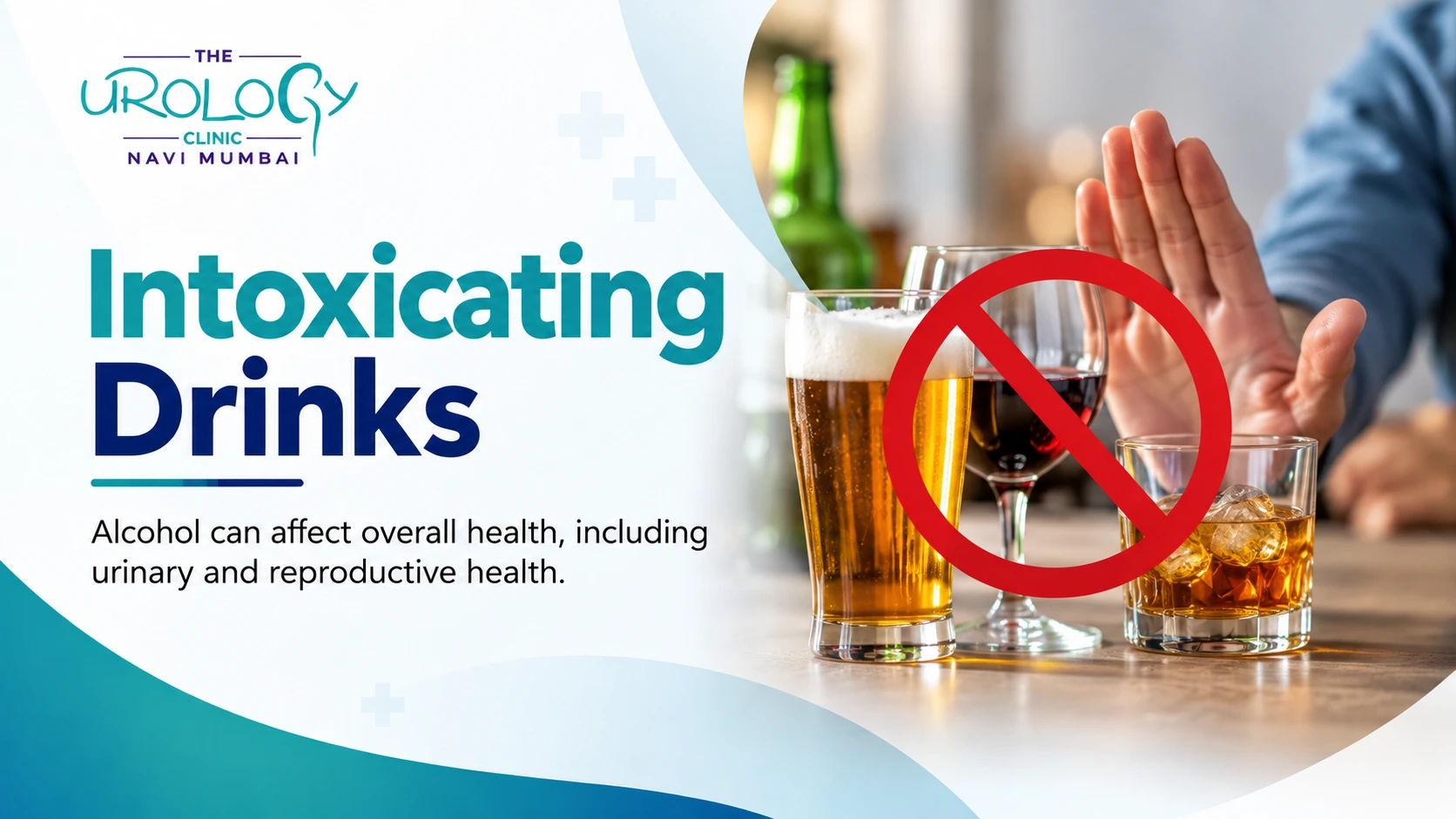
Intoxicating drinks, particularly alcoholic beverages, can affect more than just mood and behaviour. Regular or excessive alcohol consumption may influence hydration, blood pressure, sleep, liver function and several aspects of urinary health. Because the kidneys and urinary system play an important role in maintaining fluid and electrolyte balance, habits that affect hydration and blood pressure can also influence kidney function.
The effect varies depending on the type and amount consumed, frequency of use, overall health and whether a person already has kidney, bladder or urinary problems. Understanding these effects can help people make healthier choices and recognise when medical attention may be appropriate.
The term refers to beverages containing substances that can alter the central nervous system, causing changes in alertness, coordination, judgement or behaviour. Alcoholic beverages are the most common example.
Alcohol is processed primarily by the liver, but its effects extend throughout the body. It can increase urine production, affect fluid balance and contribute to dehydration. Long-term excessive alcohol consumption can also contribute to health conditions such as high blood pressure, which is an important risk factor for kidney disease.
The kidneys continuously filter blood and regulate fluid, minerals and waste products. Excessive alcohol intake can interfere with some of these processes indirectly and may place additional stress on the body.
Alcohol can suppress the release of antidiuretic hormone, which normally helps the kidneys retain water. As a result, more water may be lost through urine after drinking alcohol.
Dehydration can cause thirst, dry mouth, headache, dizziness and dark-coloured urine. Repeated dehydration can be particularly concerning for people who already have kidney or urinary problems.
Heavy alcohol consumption can contribute to high blood pressure. Persistently elevated blood pressure can damage blood vessels in the kidneys and increase the risk of kidney disease over time.
Reducing excessive alcohol intake is therefore one part of maintaining cardiovascular and kidney health.
Long-term heavy drinking has been associated with an increased risk of several health problems that can affect kidney function. Alcohol-related liver disease can also have serious consequences for the body’s fluid balance and circulation.
People with existing kidney disease should discuss alcohol consumption with their healthcare provider because individual recommendations can vary.
Alcohol can affect bladder-related symptoms as well. Because it can increase urine production, a person may need to urinate more frequently after drinking.
Increased urine production can lead to more frequent trips to the bathroom. This effect can be more noticeable when alcohol is combined with large amounts of other fluids.
For someone who already has an overactive bladder, frequent urination or nighttime urination, alcohol may make symptoms more noticeable.
Some people may experience increased urinary urgency after consuming alcohol. Alcohol can also affect sleep, which may make nighttime bathroom visits more disruptive.
Persistent urgency, burning during urination, blood in the urine or pelvic pain should not automatically be attributed to drinking. These symptoms can indicate a urinary tract or bladder condition and should be medically evaluated.
Kidney stones develop when certain substances in urine become concentrated and form crystals. Hydration plays an important role in reducing the concentration of these substances.
Because alcohol can contribute to dehydration, excessive consumption may make maintaining adequate hydration more difficult. However, kidney stones have multiple causes, including diet, genetics, metabolic factors and previous stone formation.
For people who have had kidney stones, drinking enough water throughout the day is generally an important part of prevention. Specific dietary advice depends on the type of stone.
Alcohol can affect male health in several ways. Long-term heavy drinking may contribute to hormonal changes and sexual problems, including erectile dysfunction.
Excessive alcohol consumption can also affect sperm production and overall reproductive health. The extent of the effect depends on factors such as drinking pattern, overall health and other lifestyle habits.
Men experiencing erectile dysfunction, reduced sexual desire, fertility difficulties or persistent urinary symptoms should consider a medical evaluation rather than assuming alcohol is the only cause.
The effect of alcohol depends on the amount and frequency of consumption, but there is no need to drink alcohol for health benefits. Excessive or heavy drinking carries established health risks.
People with kidney disease, high blood pressure, liver disease or certain medications may need to avoid alcohol or significantly limit it. A healthcare professional can provide individual guidance based on medical history and current treatment.
Reducing or stopping alcohol consumption can support overall health, although the experience varies between individuals. Hydration, sleep and blood pressure may improve with healthier drinking habits.
However, people who drink heavily or regularly should not always stop suddenly without medical advice. Alcohol withdrawal can be serious and may cause symptoms such as tremors, sweating, anxiety, seizures or severe confusion. Medical support may be necessary for people at risk of withdrawal.
Good hydration, regular physical activity, a balanced diet and appropriate management of blood pressure and diabetes can support kidney health.
Drinking sufficient water is particularly important for maintaining healthy urine concentration. Avoiding excessive alcohol and tobacco use can also contribute to better overall health.
Regular medical check-ups may be appropriate for people with risk factors for kidney disease, such as diabetes, high blood pressure, a family history of kidney disease or previous kidney problems.
Urinary symptoms that persist or repeatedly interfere with daily life should be evaluated. These may include frequent urination, difficulty starting urination, weak urine flow, blood in the urine, painful urination, recurrent urinary infections or pelvic discomfort.
Sudden severe pain in the side or back, especially with vomiting or blood in the urine, can occur with kidney stones and may require prompt medical attention.
Urology Navi Mumbai provides evaluation and treatment for a range of urological conditions affecting the urinary system and male reproductive health.
Urinary symptoms can have several possible causes, so proper assessment is important before choosing treatment. The clinical team can evaluate symptoms, medical history and relevant investigations to guide appropriate care for conditions involving the bladder, kidneys, prostate and male reproductive system.
Intoxicating drinks, particularly alcoholic beverages, can influence hydration, urine production, blood pressure and several aspects of urinary and reproductive health. Occasional effects such as increased urination may be temporary, while long-term excessive consumption can contribute to broader health risks.
Maintaining adequate hydration, limiting excessive alcohol consumption and addressing persistent urinary symptoms can support better urological health. If symptoms such as blood in the urine, painful urination, recurrent infections or severe side pain occur, timely medical evaluation is important.
Yes. Alcohol can increase urine production by affecting the hormone that helps the kidneys retain water. This can lead to more frequent urination after drinking.
Heavy or long-term alcohol consumption can contribute to factors that affect kidney health, including dehydration and high blood pressure. The risk is influenced by drinking patterns and overall health.
Alcohol itself is not considered a direct cause of every kidney stone. However, excessive drinking can contribute to dehydration, which may make it harder to maintain healthy urine dilution.
Alcohol can increase urine production and may worsen urinary frequency or urgency in some people. Persistent bladder symptoms should be evaluated rather than attributed solely to alcohol.
Heavy alcohol consumption may affect hormones, sperm production and sexual function. Men with ongoing fertility or sexual health concerns should receive an appropriate medical assessment.
About The Urology Clinic Navi Mumbai
The Urology Clinic Navi Mumbai, led by Dr. Ninad Tamboli, a trusted urologist in Navi Mumbai, is your destination for expert urological care. Specializing in advanced treatments for urinary and reproductive health.
We’re here to assist you! Reach out to us for appointments, inquiries, or detailed information about our services: